Minecraft Live wrapped this week with the biggest reveal in years for the block-building franchise: the Sift dimension, Minecraft’s first new realm since 2011. The broadcast also confirmed Minecraft Dungeons II for a September 29 release, new underground ice biomes, and a Nintendo Switch 2 launch on October 27. Mojang and parent company Microsoft used the annual livestream to lay out where the game is headed over the next few months. The additions span a spin-off sequel, a new suite of creator tools, and changes that reach the core survival game itself.
The Sift dimension ends a 15-year wait for something new
Minecraft has had exactly two dimensions beyond the Overworld since launch: the Nether, added in 2010, and the End, added in 2011. Nothing has joined them since. That changes with the Sift. The dimension is arriving in both the Bedrock and Java versions of the game, and it carries its own biomes, mobs, and mechanics still largely under wraps.
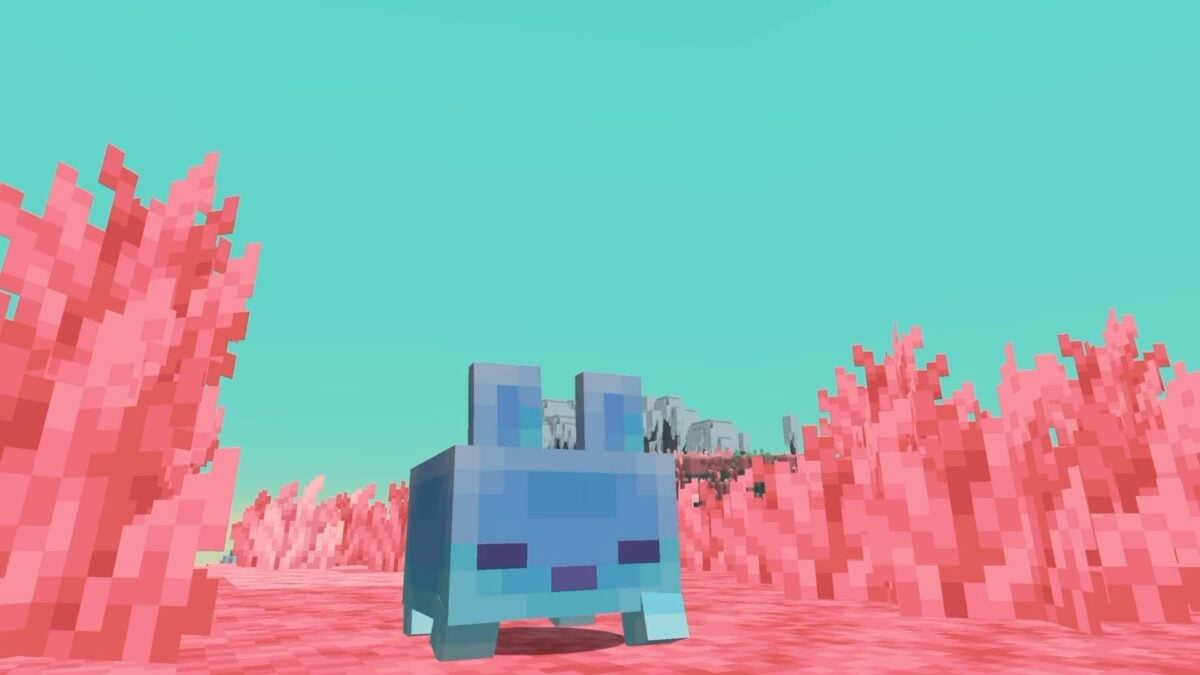
Mojang gave few specifics beyond confirming the dimension exists and showing a handful of creatures, including a blue rabbit that drew laughs during the stream. What is clear is the order of operations: the Sift arrives first inside Minecraft Dungeons II, well ahead of its planned appearance in the main game next year. Mojang has not said whether the Sift will generate naturally alongside existing worlds or require a separate portal structure, the way the Nether and the End each do.
The Nether’s ores and the End’s structures reshaped how players approach Minecraft after each was added. A third dimension is likely to do the same, even if the full scope will not be known until Mojang shares more. Players have spent fifteen years building strategies around exactly two alternate realms, and a third changes the math on everything from resource farming to end-game progression.
Minecraft Dungeons II changes combat ahead of its September 29 launch
Of Minecraft’s two prior spin-offs, Minecraft Dungeons was the one that stuck. The co-op isometric hack-and-slash succeeded by playing nothing like the core game, while keeping its distinct art style. It worked especially well as something a parent and child could finish together. A sequel was always going to draw attention, and the extended gameplay footage shown at the event outlined several changes from the original.
The new art style is brighter and more saturated than the first game’s. The story centers on the Deep Dark and the Ancient Cities, bringing the Warden into a Dungeons setting for the first time. Mechanically, players can now jump, a basic addition that was missing from the original entirely. Armor has been reworked into the main game’s four traditional slots, with separate talismans handling passive effects.
Levels are also larger and interconnected, rather than selected individually from an overworld map. The change rewards exploration instead of pushing players down a fixed route. Players move between connected areas rather than picking a mission from a menu and finishing it in isolation, and side paths lead to optional loot rooms rather than dead ends. The result plays closer to how the core game handles its overworld than how the first Dungeons game handled its stage select screen. It is the clearest sign that Mojang built the sequel around player choice, not a fixed level order.
New ice caves bring a frozen zombie and craftable potions
The stream also detailed an expansion of the game’s cold biomes: rare underground ice caves that spawn beneath snowy regions. These caves are ore-rich and double as an easy source of ice, with glowing ice crystals scattered throughout that work as both a decorative block and a light source.
A new mob accompanies the biome: the frozen zombie, which throws ice balls that freeze players hit several times in a row. Those ice balls can be thrown right back, and players can also use them against each other. It turns the caves into an impromptu snowball fight as much as a resource run. The crystals and ice from the biome feed into new freezing potions. Veteran players have already worked out a farming method: exposing a regular zombie to powdered snow converts it into the frozen variant, so it does not need a natural cave spawn.
The addition follows a pattern Mojang has leaned on before. Take an existing biome category, in this case cold biomes, and give it an underground counterpart with its own resources and hazards. Deserts got husks and pyramids years ago. Cold biomes now get ice caves and a mob built specifically around crowd control, not raw damage.
Marketplace tools and a Nintendo Switch 2 release round out the update
On the creative side, Mojang’s Jens Bergenström outlined changes coming to how players build and share content on the Marketplace. The goal is to make creation more accessible for casual builders while still supporting professional creators. A new set of sound effect packs is also coming to the Marketplace later this year, letting players replace the game’s audio in their own worlds and creations, though Mojang has not set a firm date.
Outside the game itself, Mojang confirmed a Minecraft-themed section opening at Chessington World of Adventures in the UK, alongside a Minecraft-branded hotel at the same resort. Both are aimed squarely at the UK market rather than the game’s global audience.
The most widely applicable news for existing players: Minecraft is coming to Nintendo Switch 2 on October 27. Its visuals are brought closer in line with the Xbox and PS5 versions of the game. It gives Switch 2 owners a version built for the newer hardware, not a port carried over from the original Switch.
What to watch next
Mojang has not published a release window for the Sift’s arrival in the base game beyond “next year.” Most of what the dimension contains remains unannounced: no confirmed biome count, no crafting recipes, no word on how it fits into existing world generation. Minecraft Dungeons II arrives first, on September 29, giving players an early, partial look at the new realm months before it reaches the version of Minecraft most people play day to day. Whether the Sift dimension reshapes survival mode the way the Nether and the End once did depends on details Mojang has yet to share.