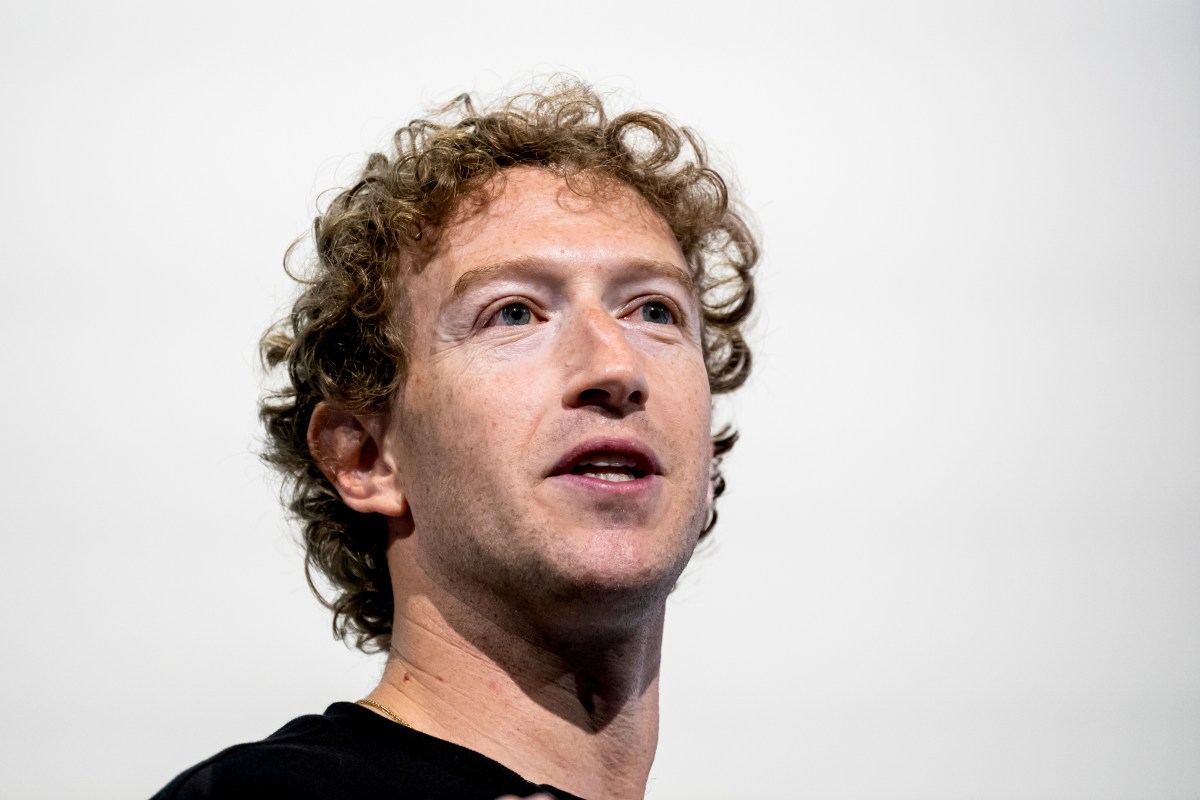
Meta and Google just took a major hit in Los Angeles County Superior Court. A jury found both tech giants negligent in a case focused on social media addiction and teen mental health, ordering them to pay a combined $6 million in damages. Meta faces the larger share at $4.2 million, while YouTube (owned by Google) owes $1.8 million. The plaintiff, known as K.G.M. or Kaley, argued that Instagram and YouTube worsened her anxiety, depression, and body dysmorphia during her formative years.
This isn’t just another loss for Big Tech. The ruling came a day after a similar defeat for Meta in New Mexico, marking the first time a jury has explicitly found these platforms negligent for mental health harms linked to their design and algorithms. Before trial, TikTok and Snap settled out of court, leaving Meta and Google to face the verdict alone.
Why this matters for users and the industry
For those in tech and gaming, this case sets a new legal benchmark. The jury found that Meta was aware its platforms were addictive for teens and continued researching ways to boost engagement despite clear risks. This verdict signals that courts may now hold platforms accountable for how their algorithms and features affect young users’ mental health. It strikes at the heart of the engagement mechanics driving social media-and by extension, any platform targeting or attracting teens.
More lawsuits are likely on the horizon. Legal experts warn this decision could open the floodgates for similar claims from users harmed by algorithm-driven feeds or insufficient safety measures. If appeals fail, tech companies may face growing pressure to overhaul platform design, moderation, and parental controls. For players and parents, this could mean stricter age gates, stronger content filters, and less algorithmic manipulation-at least in the U.S. market.
What’s next?
Meta and Google are expected to appeal. Meta has already stated it disputes the outcome and is considering its legal options. But even if the verdict is overturned, the message is clear: juries are ready to hold platforms accountable for mental health fallout. This could reshape how social apps and online games approach engagement, especially with younger audiences.
Looking ahead, if this trend continues, expect more cautious product updates, higher compliance costs, and a wave of new safety features across major platforms. For developers and publishers, the risk calculus just shifted-and so did the rules of engagement.
The bottom line
- Jury found Meta and Google negligent, awarding $6 million in damages for social media addiction harms.
- Verdict sets a precedent that could trigger more lawsuits and force changes in platform design and moderation.
- Tech giants plan to appeal, but the industry is officially on notice: algorithmic engagement now carries real legal risk.