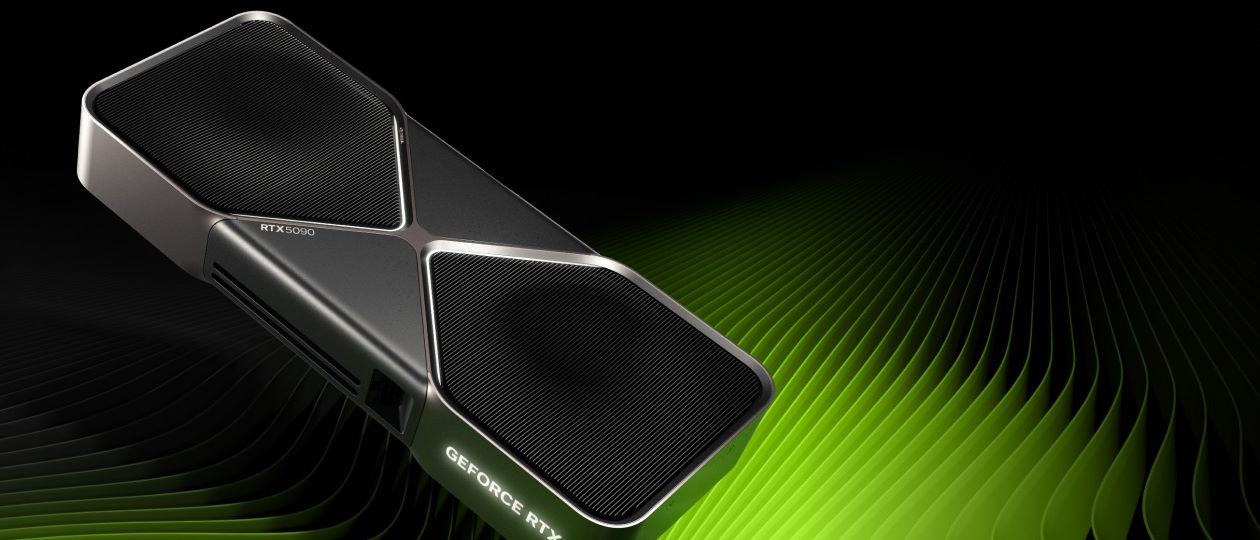
Nvidia is reportedly raising graphics card prices across its entire lineup by 20% to 30%, according to a report from Taiwan’s Economic Daily News. If accurate, it would mark the third increase to Nvidia graphics card prices since January, following an earlier hike in May.
The increases trace back to the continued rise in DRAM prices. Memory and graphics cards are already selling at record levels across most retailers. AI companies are buying up chip supply for data centre hardware, leaving far less capacity for consumer parts.
A third increase this year
Nvidia adjusted pricing twice earlier in 2026, first in January and again in May, though those changes were confined to a single product line. A third increase within the same year, especially one covering the entire catalogue, signals that memory costs have not eased since the earlier rounds. Each hike has followed the same pattern: rising component costs get passed down through board partners before reaching store shelves.
Why Nvidia graphics card prices are rising
According to tech outlet BenchLife, Nvidia has sent a new price notice to its downstream board partners covering GPU bundles, meaning the graphics chip paired with its memory. The reasoning given is straightforward: the continued rise in memory prices is pushing costs upward industry-wide. BenchLife notes this isn’t unique to Nvidia, either. AMD and Intel’s partners face the same quarterly pressure, since all three companies compete for the same limited memory supply.
Which cards are affected
Nvidia’s previous price adjustments this year applied only to the GeForce RTX 5090 series. This latest round is different: reports indicate it covers the full range of Nvidia graphics cards, not just the flagship model. Board partners such as ASUS, MSI, Gigabyte, and Leadtek are expected to see a margin boost once the new pricing takes hold.
What it means for buyers
Existing retail stock should still carry current pricing. Once that inventory sells through, the higher costs are expected to reach store shelves. Buyers weighing a new graphics card purchase may want to factor in near-term price movement. That applies especially to cards outside the RTX 5090 tier, which had avoided the earlier increases so far.
The broader picture points to a memory market under sustained strain. With DRAM prices climbing and AI infrastructure spending showing no sign of slowing, graphics card pricing looks unlikely to stabilise in the short term. Manufacturers across the PC hardware supply chain, not just Nvidia’s partners, are watching the same memory contracts for signs of relief.
For PC builders already dealing with tight GPU availability, the timing adds another variable. A graphics card bought this month could cost meaningfully more by year’s end, if board partners pass the full increase on to shoppers. RAM prices for the rest of a build are moving in the same direction.
None of the companies involved have issued a public statement confirming the figures. The report originates from a single Taiwanese outlet, picked up by BenchLife and translated into English. Board partner pricing decisions ultimately rest with each manufacturer. The exact increase reaching shelves could vary between ASUS, MSI, Gigabyte, and Leadtek, depending on stock levels and regional demand. Shoppers watching prices closely may want to treat the reported range as an early signal, not a confirmed number, until retailers adjust their listings.