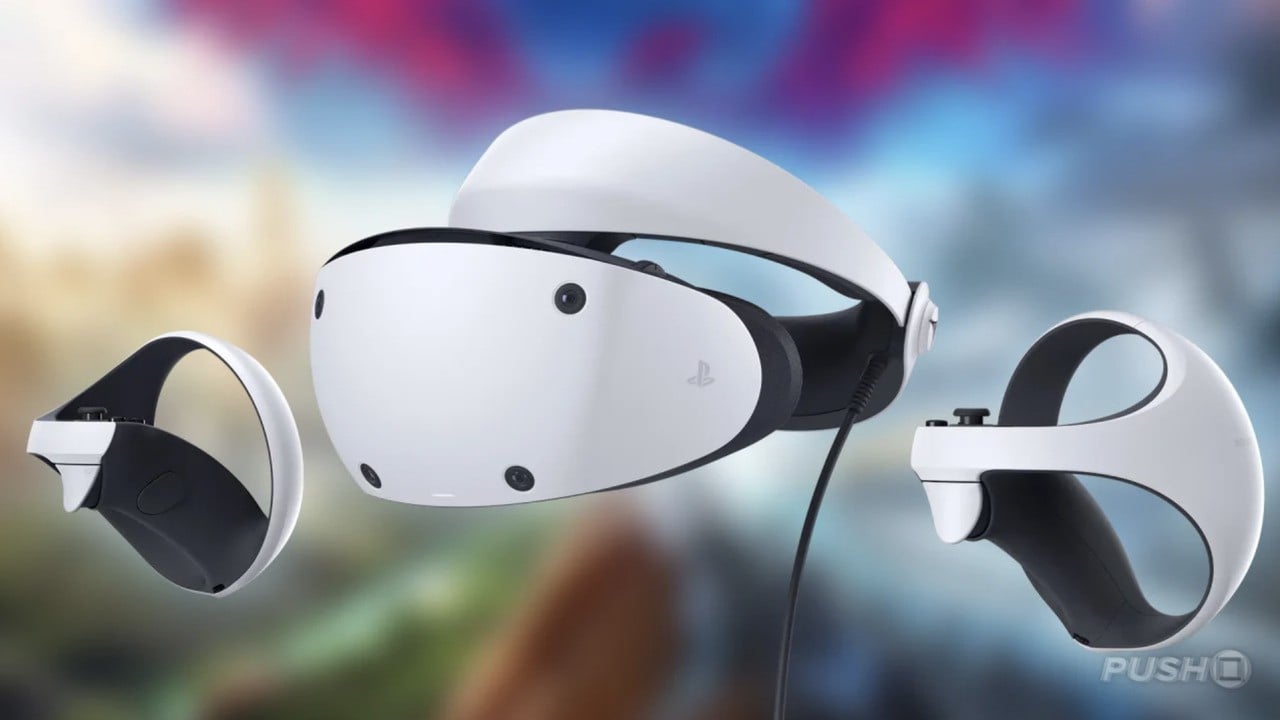
Sony is transferring 419 virtual reality patents to rival Meta, according to a report first spotted by ZDNet Korea and picked up by Road to VR. The Sony VR patents cover head-mounted displays, XR glasses and related information processing, and 43 US patents already changed hands between June and September 2026.
The sale points to a company stepping back from consumer VR hardware. Sony was one of the largest head-mounted display makers before the mid-2010s VR boom, and it built two generations of PlayStation headsets on that work. Neither Sony nor Meta has commented on the deal.
What the Sony VR patents cover
Road to VR reports that Sony and Meta signed a confirmatory assignment agreement in December 2025. The full package includes 180 US patents and 239 patents filed in Japan, China, Korea, Europe and other regions.
Sony filed the patents between 2010 and 2022. They span virtual, augmented and mixed reality headsets, as well as several types of XR glasses. So far, only 43 of the US patents appear in recorded transfers, so the rest of the handover is still in progress.
Road to VR’s Scott Hayden doubts the portfolio will change Meta’s hardware roadmap much. However, he notes that the deal “conceptually knocks out a potential rival” in the market.
From HMZ-T1 to PSVR2
Sony entered the head-mounted display market early with the HMZ-T1, a personal viewer. According to Push Square, that device formed the basis of the original PlayStation VR project, after PlayStation engineers paired it with PS Move controllers.
The first PSVR sold well on PS4. Its successor had a harder time. PSVR2 launched in February 2023 at $550, which was $150 more than the original headset. The launch lineup leaned on Horizon Call of the Mountain, Firewall Ultra and VR modes for Resident Evil Village, Resident Evil 4 and Gran Turismo 7. Firewall Ultra has since shut down.
Sony funded little bespoke software for PSVR2 after launch. Instead, a little over a year in, it released a PC adapter that lets owners play SteamVR games on a VR-ready computer. New PSVR2 games still arrive on the PlayStation Store, and Microsoft Flight Simulator 2024 recently added headset support. Still, the platform never became a central part of Sony’s plans.
Sony’s shift away from consumer hardware
The patent sale also follows Sony’s decision to skip CES 2027 in Las Vegas. The company has been moving away from consumer electronics and toward entertainment, and the Sony VR patents no longer fit that direction.
Sony has not left XR entirely, though. It still sells an enterprise mixed reality headset built with Siemens, aimed at professional design work rather than games.
Meta keeps building headsets
Meta, meanwhile, continues to put money into VR. Its newly announced Meta VR Glasses are due in spring 2027 at $1,300, with a slimmer design that moves away from bulky headsets. With the Sony VR patents on its books, Meta now holds more than a decade of research from one of the earliest companies in the head-mounted display market.
For PSVR2 owners, nothing changes yet. The headset still works, the PC adapter is still on sale, and the PlayStation Store still lists new releases. However, no PSVR3 has been announced, and the transfer of 419 Sony VR patents moves much of Sony’s headset research to Meta.