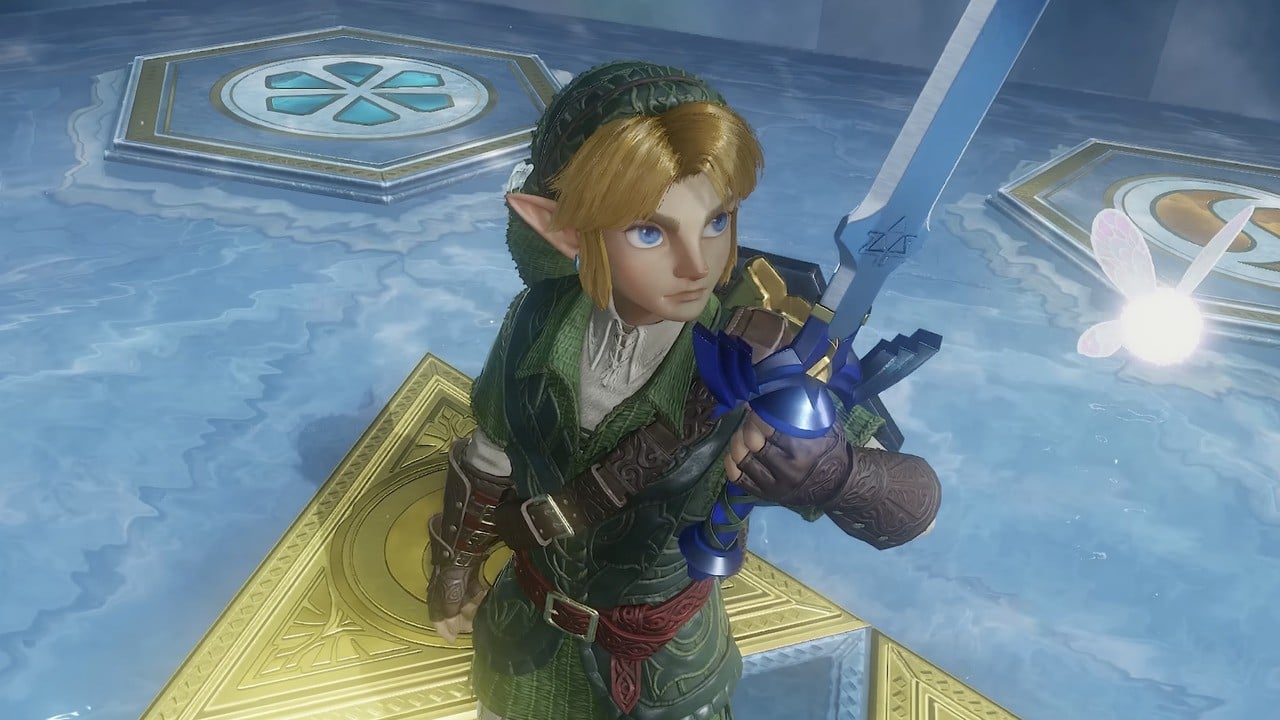
Nintendo remade The Legend of Zelda: Ocarina of Time partly so its younger developers could study how the 1998 classic was built. Series producer Eiji Aonuma explained the reasoning behind the Ocarina of Time remake in the latest Ask the Developer interview, published days before the game arrives on Nintendo Switch 2.
The timing matters for the series. The remake launches on November 5, 2026, in the year of the franchise’s 40th anniversary. It also follows two open-world entries that defined the series for a generation of players: Breath of the Wild and Tears of the Kingdom.
Why Nintendo greenlit the Ocarina of Time remake
Aonuma said many people on the current Zelda team have only worked on the recent games. That gap made him question how well they knew the series’ history. “Do they truly understand just how significant The Legend of Zelda: Ocarina of Time was to the series as a whole?” he asked in the interview.
His answer was to have them rebuild it. By learning the original game’s structure and development style, and then remaking it in full, Aonuma said the team “may trigger new insights that they can carry forward into future development.” In other words, the project doubles as a training exercise for whoever builds the next mainline Zelda.
Ocarina of Time has a long track record as a design reference. The Nintendo 64 original introduced Z-targeting, the lock-on system that later became standard across the series. It also returned once before, on Nintendo 3DS roughly 15 years ago.
A different structure for open-world players
Aonuma gave a second reason, and this one concerns players rather than staff. Breath of the Wild lets players pick their own route from the first minutes. Ocarina of Time, by contrast, moves through a carefully paced story. Progress and narrative understanding build up step by step.
Nintendo wanted fans who grew up with the open-world games to try that older style. As a result, the remake keeps the original’s structured progression rather than reworking it into something closer to the recent releases.
Producer Hidemaro Fujibayashi, who directed Breath of the Wild and Tears of the Kingdom, joined Aonuma in the interview. He asked the team to decide early on what would change in the Ocarina of Time remake and what would stay the same. The developers tested warp points as shortcuts, for example, but later cut them. According to the interview, the team felt “we were missing out on the moments of discovery that came from stopping along the way.”
Who made it and what it costs
Nintendo developed the Ocarina of Time remake internally, with HokWai Ng as director, according to the Ask the Developer feature. The game is a Switch 2 exclusive and lists at $59.99 in the US.
Meanwhile, the first part of the interview only touches on the new visuals. Nintendo says the game was fully remade with a new look, and the second part of the Ask the Developer series covers the art direction in more detail.
Aonuma did not say how lessons from the Ocarina of Time remake might shape the next new Zelda game. Still, his comments confirm that Nintendo sees the project as more than an anniversary release. For the team, it is a hands-on study of the game that set many of the series’ rules, and the remake reaches players on November 5.