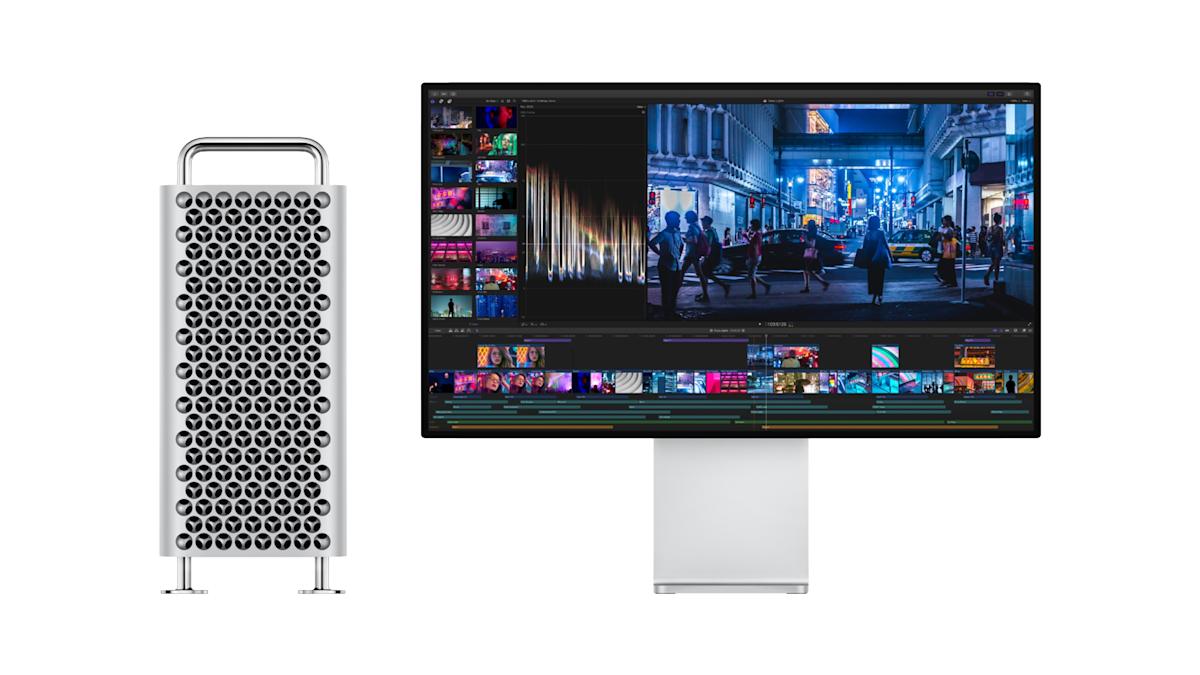
Apple has confirmed it’s discontinuing the Mac Pro, the iconic desktop tower last updated in 2023. The machine has vanished from Apple’s website and storefront, leaving the Mac Studio as the company’s top-tier professional desktop. The news, first spotted by 9to5Mac, closes the book on Apple’s last modular, expansion-heavy Mac.
Why this matters for pro users
The Mac Pro was Apple’s answer to years of complaints from creative pros and power users who needed serious hardware. Its 2019 “cheese-grater” design brought back expansion slots and Intel chips, but the party didn’t last. Apple’s custom M-series chips, starting with the M1 in 2020, quickly outpaced Intel’s performance and efficiency. The Mac Pro got a late M2 Ultra upgrade, but by then, the compact Mac Studio was already stealing the spotlight with similar power in a much smaller box.
For anyone who needs maximum performance, the Mac Studio is now the only game in town-at least if you want an Apple desktop. The Studio supports the same M2 Ultra chip as the last Mac Pro, but drops the tower’s modularity. That means no more easy RAM or GPU upgrades. If you want to swap parts, you’re out of luck.
What’s next for Apple’s pro lineup?
Apple’s move isn’t a total surprise. Bloomberg previously reported the Mac Pro would retire in late 2025, but Apple has pulled the plug even sooner. The company’s focus is now squarely on the Mac Studio, which launched in 2022 and has already seen more frequent updates than the Pro. Apple also recently announced the Studio Display XDR, a new high-end monitor aimed at the same creative crowd.
Speculation: Apple could push the Mac Studio even further with a future M5 Max chip, making it the undisputed king of pro Macs. But for users who loved the Mac Pro’s upgradability, there’s no direct replacement on the horizon.
The bottom line
- The Mac Pro is gone-Mac Studio is now Apple’s top pro desktop.
- No more upgradable Apple towers; future upgrades will be all-in-one chip swaps.
- Creative pros should look to Mac Studio or consider switching platforms if modularity is a must.