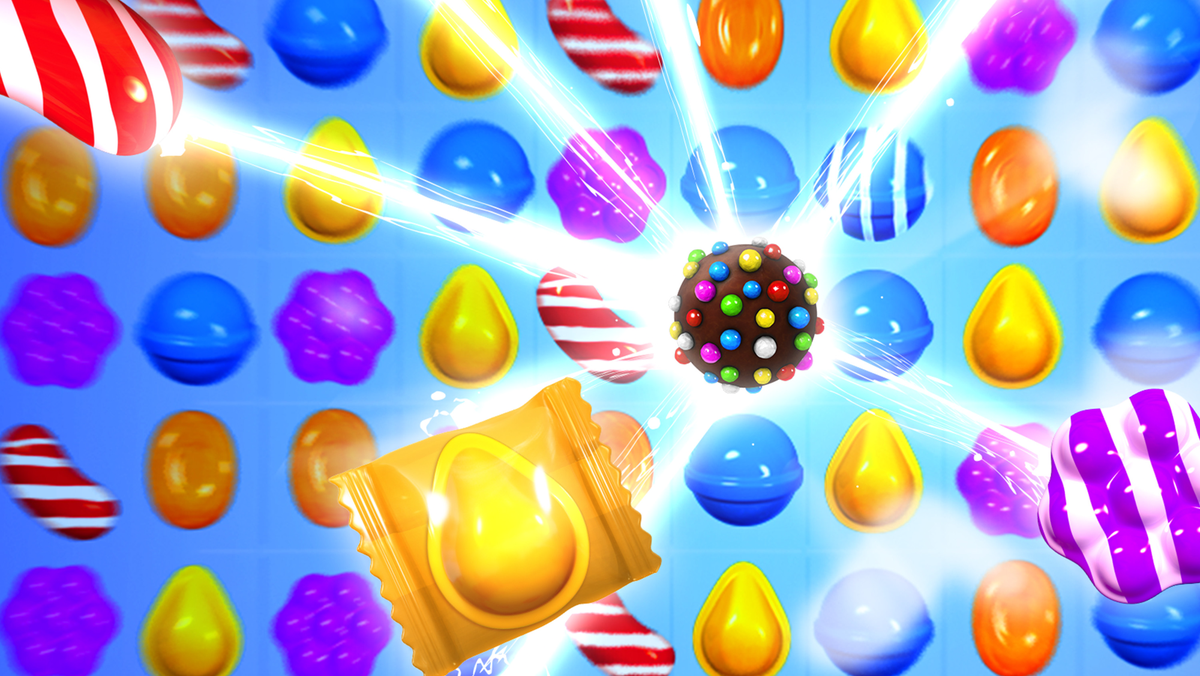
Candy Crush Saga has been crushing it for over a decade, stacking up more than $20 billion in lifetime revenue by September 2023. With over 21,000 levels and millions of players, King’s flagship match-three game isn’t slowing down. At this year’s GDC Festival of Gaming, Eva Ryott, King’s head of live operations, broke down what it takes to keep a mobile juggernaut like Candy Crush alive and relevant in a market that’s more competitive-and crowded-than ever.
For players, this means a steady stream of new content. In 2023, King ramped up from 45 to 60 new levels per week because so many players were blazing through the content and waiting for more. But it’s not just about quantity. Ryott says King uses AI and automation to manage the massive level pipeline, flagging levels that are too easy, too hard, or just broken before they go live. This lets designers focus on creativity instead of drowning in manual tweaks, so players get higher-quality levels, faster.
Why players should care
King’s approach isn’t just about keeping the content mill spinning. Ryott admits that the real challenge is balancing innovation with the core gameplay that fans love. Longtime players expect “bite-sized entertainment” and familiar mechanics, so every new feature or event is a risk. When King introduced the two-by-two Fish Booster last February, players noticed immediately-and not in a good way. “We underestimated how these players would react because it turns out they noticed everything.”
King learned the hard way that data doesn’t always tell the full story. Sometimes, a single Reddit post can signal a bigger problem than any analytics dashboard. Ryott says the team now pays close attention to community feedback, especially when rolling out big changes. “We really need to think carefully when we do big innovations. It’s needed and necessary, but we need to really understand what players expect from us constantly.”
AI behind the scenes
With over 21,000 levels and dozens of events running at any given time, King leans on AI to keep things running smoothly. AI helps identify problematic levels before they reach players, automates repetitive tasks, and lets designers focus on what actually matters-making the game fun. The tech also helps King personalize the experience, so players only see the content and features that are relevant to their current progress. You’re not bombarded with every event or level at once; the game surfaces what matters to you.
But Ryott is clear: AI is a tool, not the boss. Level designers still call the shots on creativity and innovation. The goal is to keep the game fresh without overwhelming or alienating the core audience.
Player loyalty and the “forever game”
Ryott calls Candy Crush a “forever game”, with players who’ve stuck around since launch. That loyalty comes with high expectations. King has to walk a tightrope between keeping the game familiar and pushing out enough new content and features to keep things interesting. Events like the in-game tournament All Stars, where players can qualify for a live final and cash prizes, are designed to keep both veterans and newcomers engaged.
King’s experience shows that maintaining a live game at this scale isn’t just about shipping updates. It’s about understanding a diverse player base, listening to feedback (even when it stings), and using tech to stay nimble. For players, that means more content, faster-without losing the magic that made Candy Crush a hit in the first place.