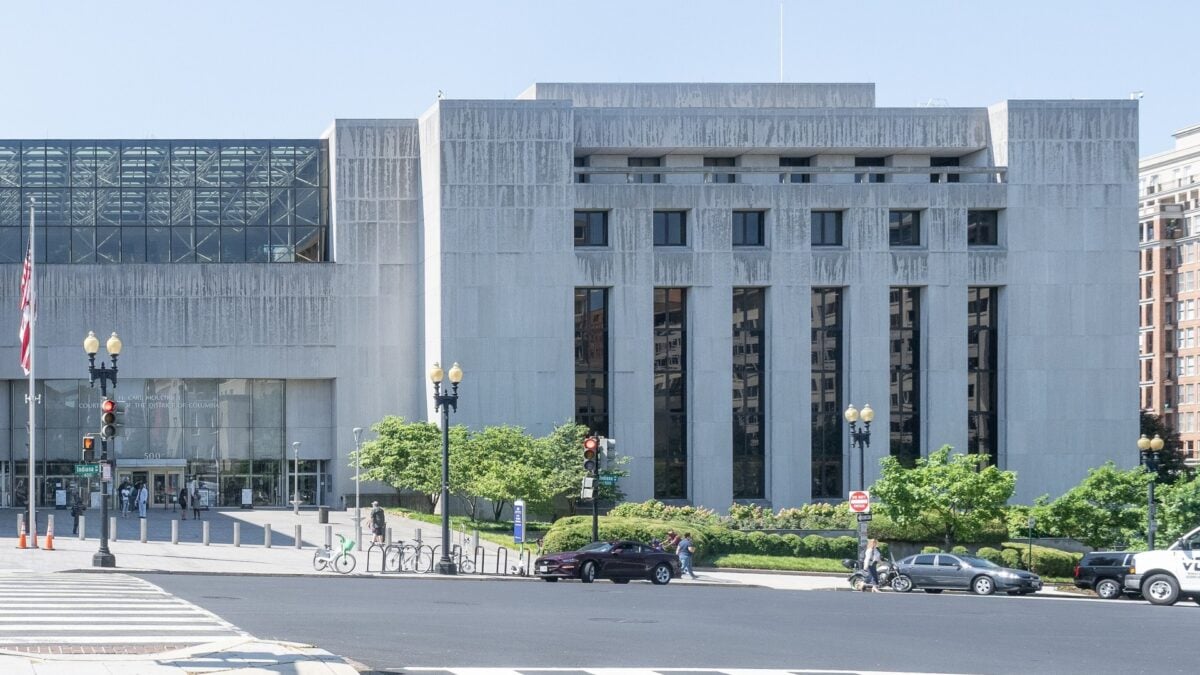
The legal battle over the infamous Paxil study has hit a significant roadblock. On March 24, 2026, a Washington D.C. Superior Court judge dismissed a lawsuit that sought to force the Journal of the American Academy of Child & Adolescent Psychiatry to retract a controversial 2001 article. That study had claimed Paxil was “well tolerated” and “effective” for teens-despite later evidence linking the drug to increased suicidal thoughts and behaviors in young people.
The judge ruled that journal articles are protected as free speech under the First Amendment. This means the study can’t be challenged in court as a “consumer product,” even though the article is behind a $41.50 paywall. The ruling doesn’t address the study’s accuracy-only the journal’s right to publish and keep it online.
Why this matters for players in the medical and legal world
This case underscores a major frustration for critics: even widely discredited studies can remain part of the scientific record, influencing treatment and policy. For patients, families, and medical professionals, the stakes are high. The original study helped drive prescriptions of Paxil (paroxetine) to teens, despite later findings showing it was no better than placebo-and actually increased suicide risk.
In 2012, the U.S. Department of Justice charged GlaxoSmithKline (GSK), Paxil’s manufacturer, with criminal liability for concealing these risks. GSK pleaded guilty and paid a $3 billion settlement. Yet the journal article that supported GSK’s marketing push remained online, uncorrected, for years.
Ghostwriting, suppressed data, and a long fight
Legal documents later revealed that a communications agency, Scientific Therapeutics Information, ghostwrote the first draft of the infamous study. The lead author, Dr. Martin Keller, and the ghostwriter gave conflicting sworn depositions about who actually wrote it. After a class action suit, researchers gained access to 77,000 pages of raw trial data-fueling a 2015 British Medical Journal (BMJ) reevaluation.
The BMJ team found paroxetine was “not statistically or clinically significantly different from [a] placebo” for teens. Worse, the drug caused a “clinically significant” increase in suicidal ideation and actions among young participants. The original study’s claims didn’t hold up.
Journal under pressure, but no retraction yet
The product liability attorney behind the lawsuit, George W. Murgatroyd III, sees a small victory: his legal efforts pressured the journal’s owner, AACAP, and publisher, Elsevier, to add an “expression of concern” to the article in September 2025. The journal now warns readers about ongoing doubts, stating “further review is underway” and that the concern notice will remain until a final decision is made.
Murgatroyd remains dissatisfied, calling the lack of a full retraction “outrageous” and “more than disappointing”. He has requested the results of the journal’s ongoing investigation, but no timeline for resolution exists. For now, the study stays online-flagged but not retracted.
The bottom line
- The controversial Paxil study remains online, protected by free speech-even after legal and scientific challenges.
- Critics argue the medical publishing self-correction process is broken, with real-world consequences for patients.
- Anyone seeking clarity on Paxil’s safety for teens should rely on the latest independent reviews, not the original article.