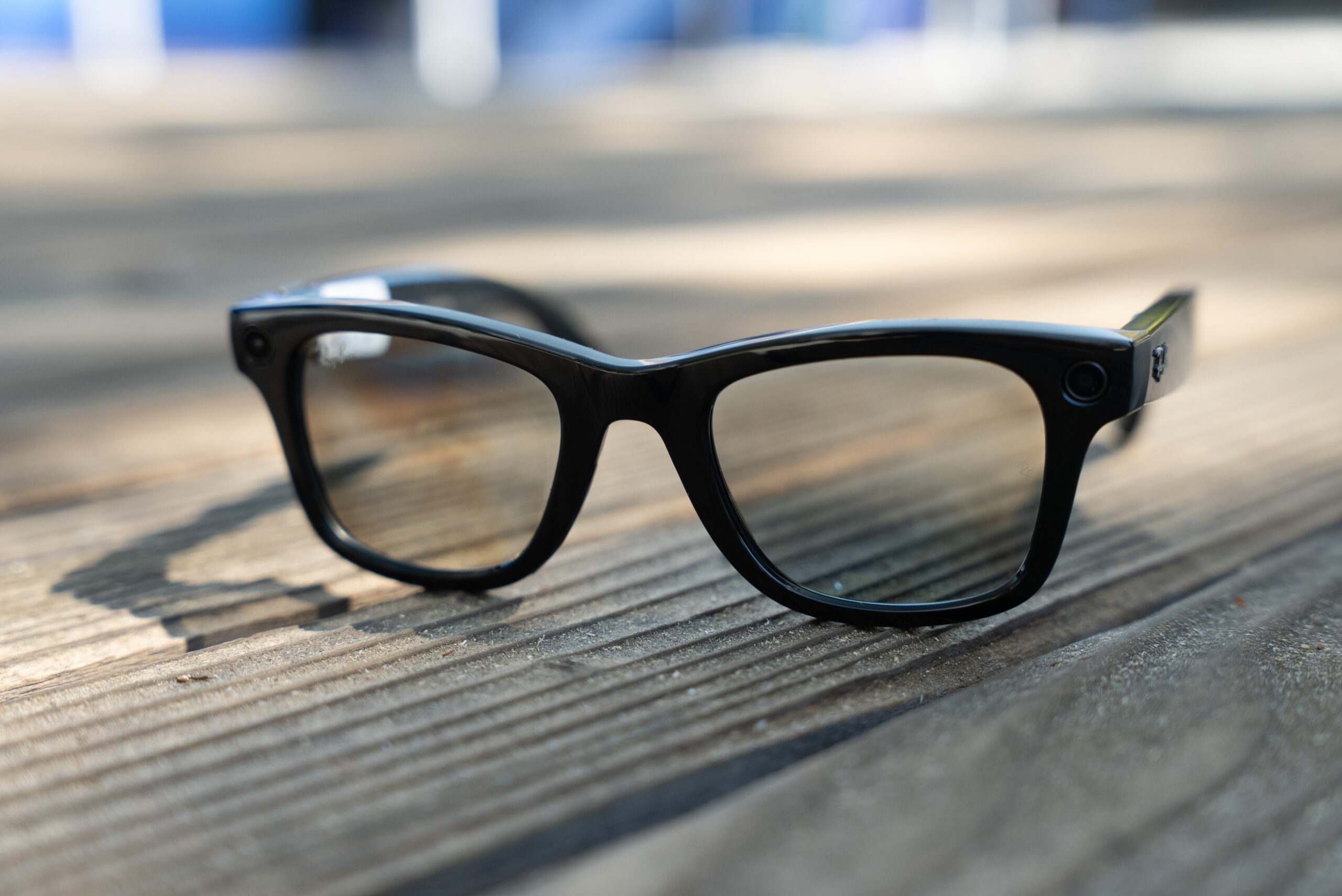
Meta’s AI smart glasses are under renewed scrutiny after reports that sensitive user footage may be reviewed by human contractors in Kenya. The concern is no longer theoretical: privacy advocates are now pointing to potential gaps between how the product is marketed and how AI training workflows actually operate.
The reporting, first detailed by Svenska Dagbladet, describes moderation and annotation work involving media captured through Meta’s smart-glasses ecosystem. According to the investigation, some reviewers said they encountered deeply personal material, including intimate moments and private household scenes.
What the privacy concern is really about
The core issue is not simply that AI systems need training data. It is whether users clearly understand when captured media may be shared beyond their device, how that material is filtered, and who may access it during quality control or model-improvement processes.
Meta has stated that media remains on-device unless users choose to share it with Meta services, and that contractor review is used in limited cases to improve AI responses. The company has also said it applies safeguards, including attempts to remove or blur identifying details. However, critics argue that these safeguards may not fully eliminate exposure risk when footage includes homes, faces, screens, or financial details.
Why this matters now
AI glasses are moving from niche gadget to mainstream wearable. As adoption grows, the privacy impact scales with it. What was once a “power-user” edge case could become a mass-market data-governance challenge, especially if users assume all visual data is private by default.
The debate is also widening beyond one product. Regulators and digital-rights groups increasingly focus on how AI-enabled consumer hardware handles consent, retention windows, reviewer access, and transparency notices. In practical terms, the question is whether privacy controls are understandable enough for everyday users, not just policy experts.
What users should watch for
- Whether AI camera features are enabled by default.
- How to disable cloud processing and voice/history retention where possible.
- What the app says about human review for safety, abuse detection, or model tuning.
- Whether account settings clearly explain deletion and retention timelines.
For now, the Meta smart-glasses privacy story is less about a single viral claim and more about trust architecture: clear consent, clear controls, and clear limits on who can see captured media. As AI wearables expand, those details will define whether users treat the category as convenient or intrusive.