Last verified: April 2026. Financial figures and pricing may change.
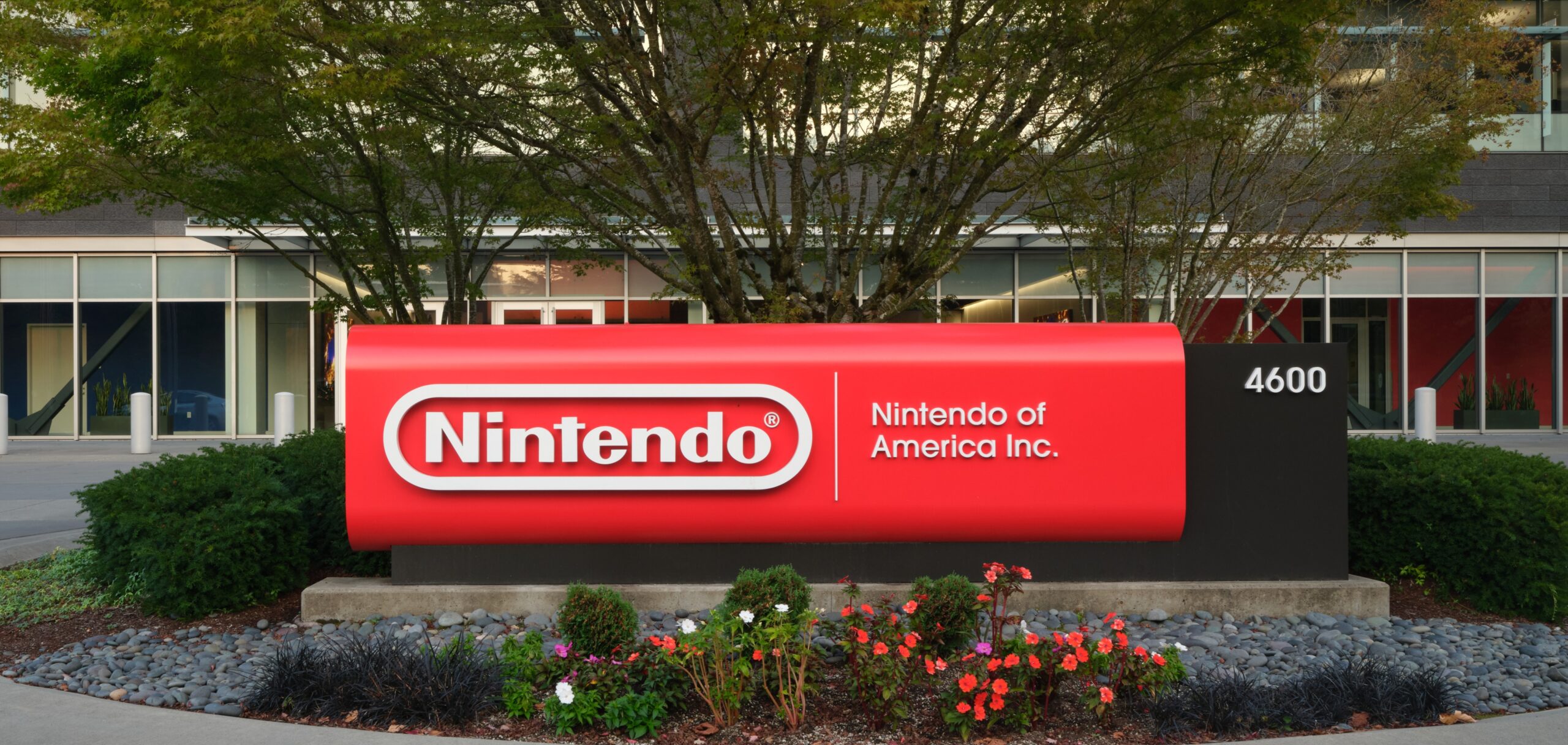
Nintendo is a Japanese video game company headquartered in Kyoto, Japan. Founded in 1889 as a playing card manufacturer, Nintendo pivoted to video games in the 1970s and has since produced some of the most recognizable consoles and game franchises in the industry. In 2026, the company is in the middle of a generational transition, selling the new Switch 2 alongside the original Switch while posting record revenue. Here is a full overview of Nintendo’s consoles, games, online services, and business position.
Who is Nintendo
Nintendo Co., Ltd. is publicly traded on the Tokyo Stock Exchange under ticker 7974. The company’s market capitalization sits at approximately $52 billion, according to CompaniesHistory. Nintendo designs and manufactures gaming hardware, develops first-party software, and operates online services. Unlike Sony and Microsoft, Nintendo does not compete in the broader consumer electronics or cloud computing markets. Its business is almost entirely focused on gaming.
The company’s strategy has long favored innovation over raw processing power. From the motion controls of the Wii to the hybrid design of the Switch, Nintendo has historically carved out its own path rather than matching competitors on specifications. This approach has produced both massive successes (Wii, Switch) and commercial disappointments (Wii U), but the company’s first-party game development is consistently among the most critically acclaimed in the industry.
Nintendo’s current console lineup
Nintendo currently sells three pieces of gaming hardware:
The Nintendo Switch 2, released on June 5, 2025, is the flagship console. It retails at $449.99 (standalone) or $499.99 (bundled with a digital copy of Mario Kart World). The Switch 2 outputs at up to 4K when docked and features a 7.9-inch 1080p LCD screen in handheld mode. By December 31, 2025, Nintendo reported 17.37 million Switch 2 units sold worldwide.
The original Nintendo Switch, released in March 2017, remains available. It has sold 155.37 million units over its lifetime, making it Nintendo’s best-selling hardware and one of the best-selling consoles in history. According to Gematsu, the Switch has surpassed both the PlayStation 4 and the Nintendo DS in total sales. The original Switch still receives select game releases, though the lineup is slowing as developers move to the Switch 2.
The Switch Lite is a handheld-only variant of the original Switch. It cannot connect to a television and has a smaller 5.5-inch screen. It is the most affordable option in Nintendo’s lineup and is aimed at players who primarily game on the go.
Nintendo’s financial performance
The Switch 2 launch drove a sharp rebound in Nintendo’s financials after a quieter final year for the original Switch. In the company’s Q3 FY2026 earnings report (covering the quarter ending December 31, 2025), Nintendo posted net sales of approximately ¥1,905.8 billion, or roughly $12.2 billion. That figure represents a 99.3% increase compared to the same quarter in the previous fiscal year, according to CNBC.
Nintendo raised its full-year forecast to ¥2.25 trillion (approximately $15 billion). Operating margins remained strong, with TweakTown reporting a 19% operating margin through the holiday 2025 quarter. The company’s market capitalization of approximately $52 billion on the Tokyo Stock Exchange reflects investor confidence in the Switch 2 cycle.
Nintendo’s revenue comes primarily from hardware sales, software sales (both physical and digital), and online service subscriptions. The company does not disclose a detailed breakdown of digital vs. physical revenue, but digital sales have steadily increased as a proportion of total software revenue in recent years.
Nintendo online services
Nintendo Switch Online (NSO) is the company’s subscription service. It is required for online multiplayer in most games and comes in two tiers.
The standard Nintendo Switch Online plan provides online multiplayer, cloud save backups, and access to a library of classic NES and SNES games. A family plan allows up to eight Nintendo accounts to share a single subscription. Pricing varies by region and billing period, with an individual annual membership at $19.99 in the United States.
The Expansion Pack tier adds libraries of Nintendo 64, Sega Genesis, Game Boy, and Game Boy Advance games, along with select DLC packs for first-party titles. The Expansion Pack costs more than the standard tier (individual annual pricing is $49.99 in the US). It appeals to players interested in retro games and those who want DLC access bundled into their subscription.
Nintendo Switch Online carries over to the Switch 2. Existing subscribers can use their membership on the new console without purchasing a separate subscription.
Nintendo’s major franchises
Nintendo’s first-party game library is one of the company’s strongest assets. Several franchises have been running for decades and continue to sell millions of copies per entry.
Mario is Nintendo’s flagship franchise. Mario Kart World, the Switch 2 launch title, sold 14.03 million copies by December 31, 2025, making it one of the fastest-selling Nintendo games in history. The broader Mario franchise spans platformers (Super Mario Bros. Wonder), RPGs (Super Mario RPG), sports games, and the Mario Kart racing series.
The Legend of Zelda saw renewed commercial success with Tears of the Kingdom on the original Switch, which sold over 20 million copies in its first year. Zelda games are known for open-world exploration, puzzle solving, and lengthy single-player campaigns.
Pokemon is a joint franchise between Nintendo, The Pokemon Company, and Game Freak. Pokemon games consistently rank among the best-selling titles on Nintendo hardware. Scarlet and Violet, despite mixed critical reception, sold over 24 million copies on the original Switch.
Other major Nintendo franchises include Animal Crossing (life simulation), Splatoon (online multiplayer shooter), Metroid (action-adventure), Fire Emblem (tactical RPG), and Kirby (platformer). Nintendo also publishes games from partners like HAL Laboratory, Intelligent Systems, and Monolith Soft (Xenoblade Chronicles).
Nintendo compared to Sony and Microsoft
Nintendo occupies a distinct position in the console market. While Sony (PlayStation) and Microsoft (Xbox) compete on hardware power and subscription services, Nintendo competes on game design, portability, and family-friendly appeal. The Switch 2 is less powerful than the PlayStation 5 or Xbox Series X, but Nintendo’s first-party software library is exclusive to its platforms, giving it a unique draw that hardware specifications alone do not capture.
Nintendo does not offer a Game Pass or PlayStation Plus-style service with day-one access to new first-party titles. New Nintendo games are sold at full price ($59.99 to $69.99) and rarely receive significant discounts in their first year. This pricing strategy reflects the company’s confidence in the standalone commercial value of its games.
Frequently asked questions
How much does Nintendo Switch Online cost?
An individual annual membership costs $19.99 for the standard tier and $49.99 for the Expansion Pack tier in the United States. Family plans (up to eight accounts) cost $34.99 per year for standard and $79.99 for the Expansion Pack. Monthly and quarterly billing options are available at higher per-month rates.
What is Nintendo’s best-selling console?
The original Nintendo Switch, with 155.37 million units sold by December 31, 2025, is Nintendo’s best-selling console. It surpassed the Nintendo DS (154 million) during 2025. Globally, the Switch ranks among the top three best-selling consoles of all time, trailing only the PlayStation 2 (over 155 million).
Does Nintendo have a Game Pass-like service?
No. Nintendo Switch Online provides access to libraries of classic NES, SNES, N64, Game Boy, and Genesis games, but it does not include modern Nintendo releases. New first-party games like Mario Kart World and Zelda titles are sold individually at full price and are not added to the NSO library on release day.
Where is Nintendo headquartered?
Nintendo is headquartered in Kyoto, Japan. The company was founded in 1889 and has been based in Kyoto for its entire history. It is publicly traded on the Tokyo Stock Exchange under ticker symbol 7974.