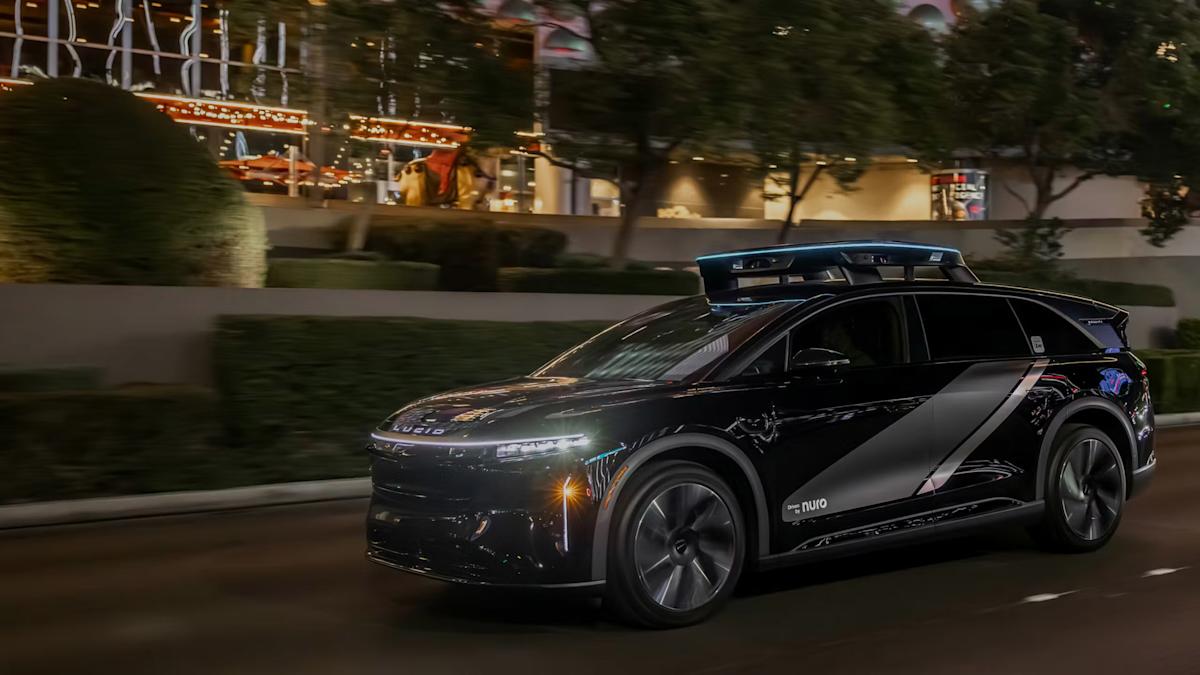
Nuro is taking its autonomous vehicles to Tokyo, and it’s not just another test run. With backing from NVIDIA, Uber, and Toyota, Nuro is pushing into one of the world’s most complex driving environments. Japan currently requires a human safety driver during these tests.
Cons
- Still requires human safety drivers-true autonomy is a work in progress.
- No clear timeline or partners announced for Tokyo deployment beyond testing.
- Facing stiff competition from Waymo and local taxi operators.
Tokyo: The Ultimate Test Track
Tokyo isn’t just another city for self-driving cars. Its streets are narrow, packed, and full of unpredictable variables. The left-side driving adds another layer of complexity. Testing the capability of the autonomy system in such an interesting market with some international complexity really is a good pressure test of what the system is capable of, said CEO Andrew Chapin. If Nuro’s tech can handle Tokyo, it can probably handle anywhere.
Nuro’s Approach vs. The Competition
Nuro isn’t alone in Tokyo. Waymo is already operating in the city, partnering with Nihon Kotsu and the Go taxi app, and collaborating with Toyota. Waymo’s focus is on robotaxi rides, while Nuro hints at a broader vision: A universal autonomy platform that can be extended to a lot of different applications and form factors is a bit different than the approach Waymo is taking, Chapin told Bloomberg. Nuro’s past work with 7-Eleven on autonomous deliveries in California shows it’s not just about moving people.
Scaling Ambitions: Uber, Lucid, and Beyond
The partnership with Uber is where things get interesting. Uber wants up to 100,000 autonomous vehicles, including 20,000 robotaxis powered by Lucid and Nuro, with a rollout starting in 2027. Uber’s new vehicle design made a splash at CES 2026, and the company is also teaming up with Nissan and Wayve for pilot cars in Tokyo by late 2026. Nuro’s flexibility-testing both rides and deliveries-gives it a shot at multiple markets.
Final Verdict
Nuro is playing the long game. Testing in Tokyo is a gutsy move that could pay off if the tech proves itself. The company’s willingness to go beyond rides-into deliveries and other applications-sets it apart from rivals like Waymo. But there’s a lot left to prove: true autonomy, real-world partnerships, and actual deployment. For now, Nuro is a company to watch, not one to bet your daily commute on.