Sony Music Holdings is facing a lawsuit from choreographer Darrin Henson over the licensing of his iconic ‘Bye, Bye, Bye’ dance, now featured as an emote in Fortnite. Henson filed the suit in federal court on March 27, claiming Sony had no right to license his choreography to Epic Games without his approval.
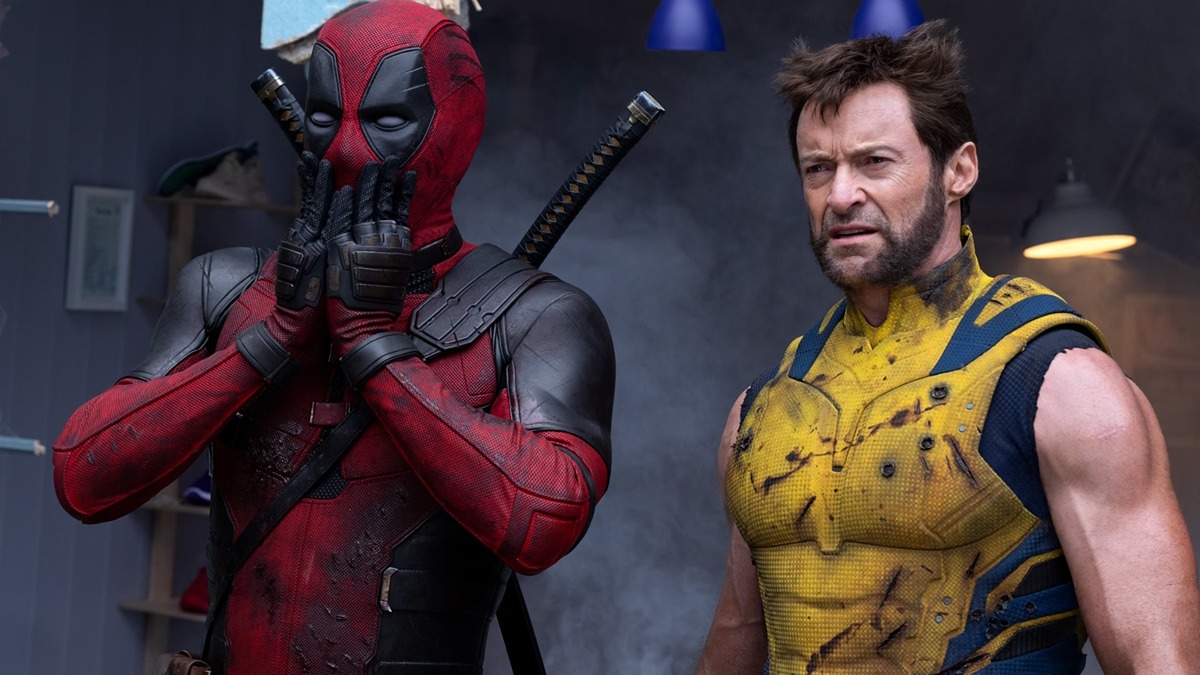
Henson’s dance, famous from the NSYNC music video and recently seen in the upcoming Deadpool & Wolverine film, has become a cultural touchstone. The lawsuit alleges Sony’s licensing deal let Epic turn the move into an official Fortnite emote, all without Henson’s sign-off. Henson is asking the court to declare him the sole owner of the choreography and grant him profits from its recent use.
Why This Lawsuit Matters for Players
For Fortnite fans, this isn’t just another legal spat. The outcome could affect how emotes-especially those based on real-world dances-are added to the game. If Henson wins, it could set a precedent for choreographers to demand a cut or even block future dance emotes, potentially shrinking Fortnite’s library of pop culture moves.
Historically, lawsuits over Fortnite dances have targeted Epic directly, often ending in Epic’s favor or quietly disappearing. This time, Henson is going after Sony, which claims ownership because it controls the NSYNC music video. Henson counters that his choreography predates the video and was never transferred to Sony. The legal fight could clarify who actually owns the rights to famous dance moves-an issue that’s been murky for years.
The Copyright Angle
Under the 1976 Copyright Act, original choreographies can be protected, but not every dance qualifies. The law draws a line between simple moves and complex, original routines. Henson’s ‘Bye, Bye, Bye’ choreography, which won an MTV Award for Best Choreography in the early 2000s, could meet the bar for protection. If the court sides with Henson, it might force companies to negotiate directly with choreographers before using their routines in games or movies.
For now, the emote remains in Fortnite, and Epic isn’t named in the lawsuit. The case also skips Marvel, even though the dance appears in the new Deadpool film. Henson’s focus is squarely on Sony’s licensing practices and his claim to the choreography’s profits.
The bottom line
- This lawsuit could change how Fortnite and other games use real-world dances as emotes.
- If Henson wins, expect tighter controls and more negotiations for future dance content.
Speculation: If courts side with choreographers, Fortnite’s next viral dance could come with a higher price tag-or not at all.