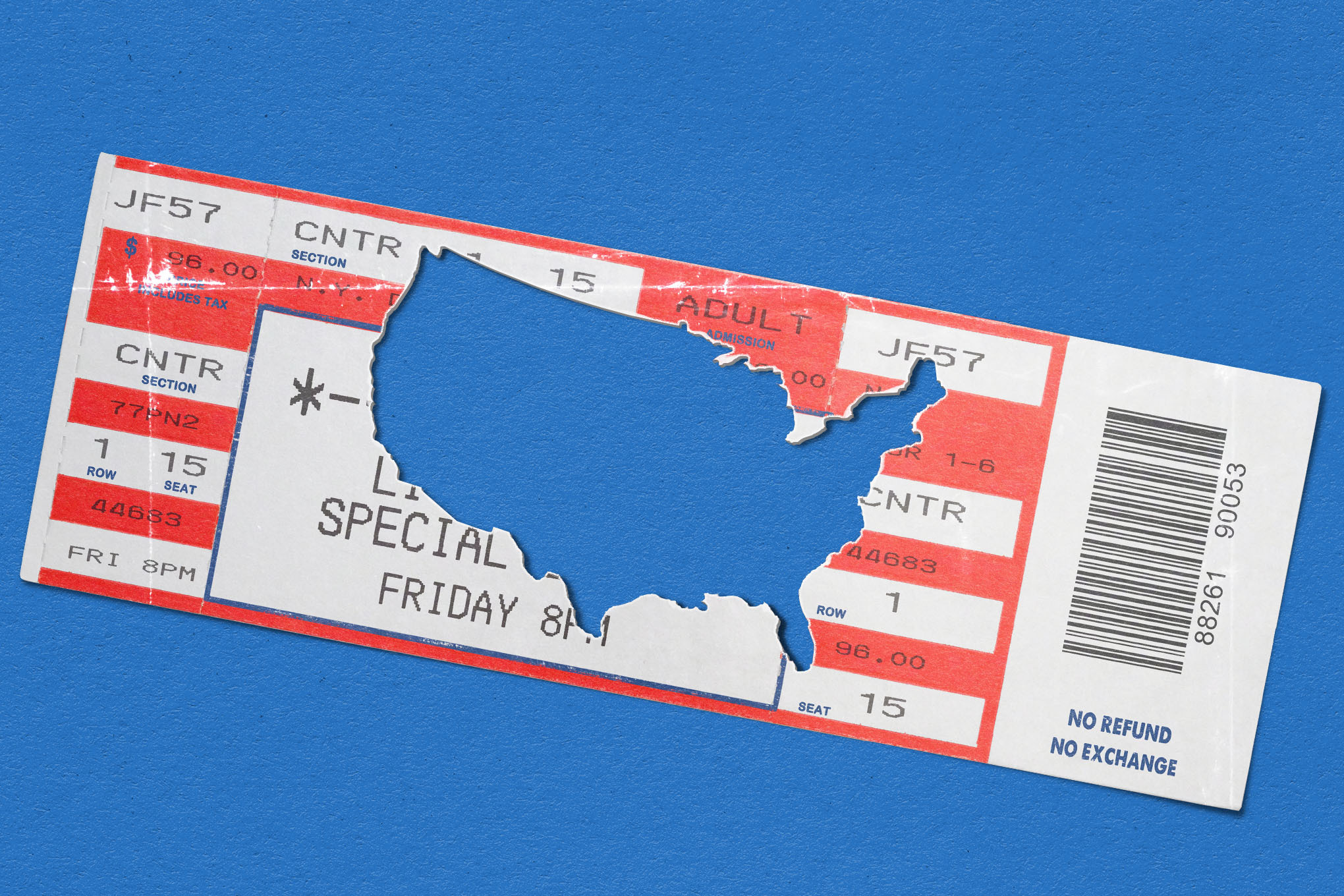
The antitrust trial against Live Nation-Ticketmaster is back in action after a chaotic pause. The Justice Department settled its claims mid-trial, leaving dozens of US states to take over the case. The states initially pushed for a mistrial, worried about jury bias and their ability to handle the case. Judge Arun Subramanian signaled he’d deny the request, so the states quickly regrouped, retained the DOJ’s expert witness, and withdrew their motion. The trial resumed almost exactly where it left off, with new attorneys leading the charge.
This matters for concertgoers and artists alike. The case zeroes in on Live Nation-Ticketmaster’s grip on ticketing and venue access, especially for large amphitheaters. If the states win, it could shake up how tickets are sold, who gets access to venues, and potentially even ticket prices. For now, the exclusive deals and alleged strong-arm tactics remain under the microscope, with the potential for major changes in how fans buy tickets and how artists book shows.
States Step Up, DOJ Steps Out
With the DOJ out, a new legal team-co-led by Jonathan Hatch from the New York AG’s office and Jeffrey Kessler of Winston & Strawn-took over. They picked up questioning of Jay Marciano, COO of AEG, a direct competitor. Marciano contrasted European ticketing, where venues use multiple services, with the US model dominated by exclusive contracts, usually with Ticketmaster. He also discussed a key incident: when Live Nation CEO Michael Rapino allegedly warned the Barclays Center it would struggle to book concerts if it dropped Ticketmaster, especially with the new UBS Arena nearby. Marciano admitted that playing venues against each other is standard, but the jury heard this as possible evidence of monopolistic pressure.
Inside the ‘Velvet Hammer’
The trial spotlighted Live Nation’s so-called “velvet hammer” approach. Internal emails revealed execs debating whether to work with or squeeze out rival promoters. In one 2018 exchange, Robert Roux, president of US concerts, wrote: “Either we are together or we are competitors.” He described this as a firm but not antagonistic stance. Other emails showed concern about letting smaller promoters gain a foothold. Live Nation acquired Red Mountain Entertainment in 2018 after such discussions.
Profitability is also under scrutiny. Testimony showed Live Nation’s profits per fan at large amphitheaters nearly tripled from 2019 to 2024, with $386 million in profit from those venues in 2024 alone. Plaintiffs argue this is evidence of unchecked market power, while Live Nation claims it’s just good business.
What’s Next?
The trial is expected to run for several more weeks. Both sides say they’re working to trim witness lists and keep things moving. The outcome could reshape the live music industry, affecting everything from ticket fees to which artists get booked at top venues. For now, the states are pressing their case that Live Nation-Ticketmaster’s dominance hurts competition and fans.
The bottom line
- The antitrust trial continues with states leading after DOJ’s exit.
- Exclusive venue deals and rising profits are under heavy scrutiny.
- A verdict could impact ticket prices, artist access, and how fans experience live shows.