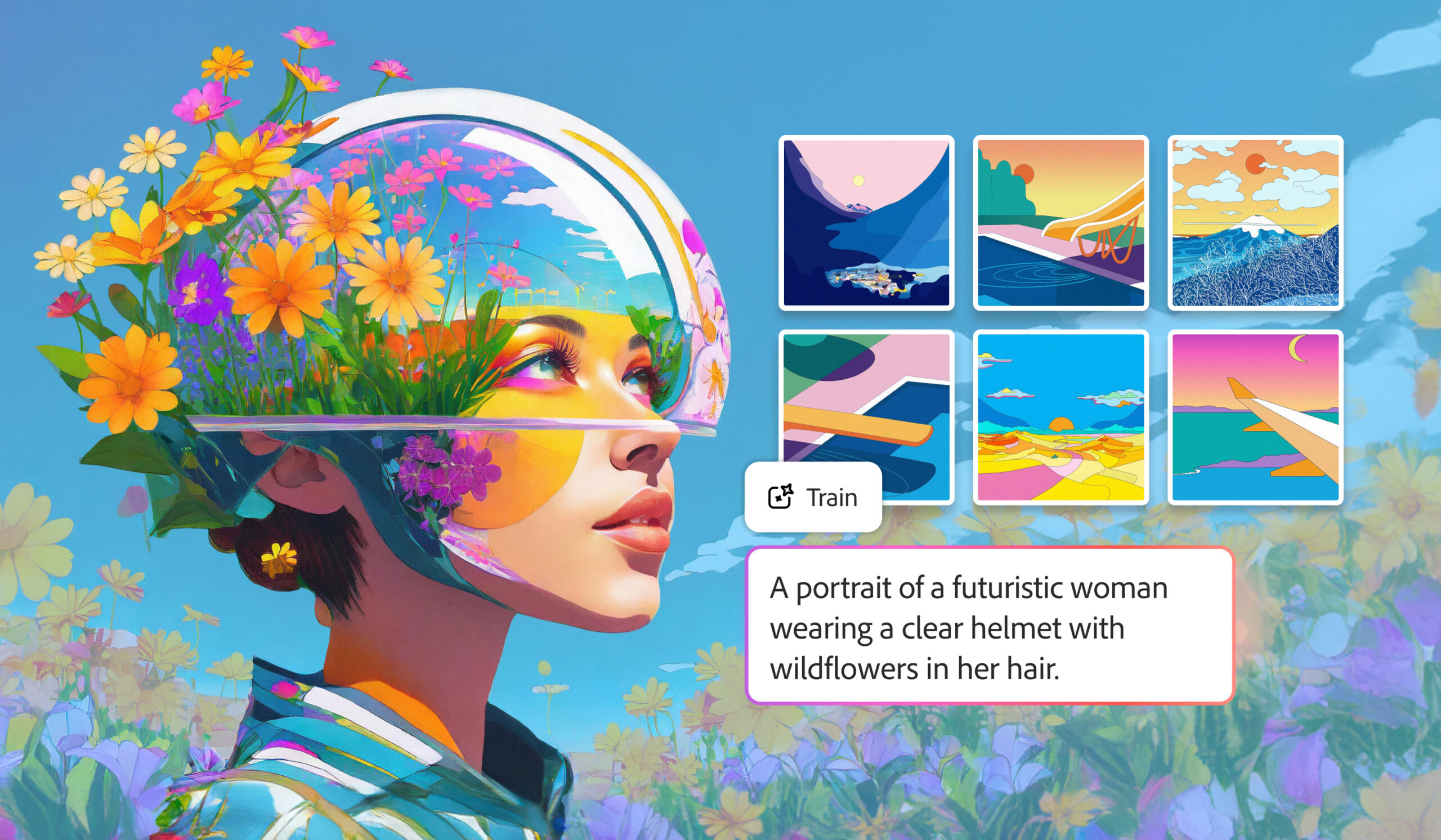
Adobe has launched public beta access for its Firefly Custom Models, letting anyone train AI image generators on their own artwork, character designs, or photography. The feature, previously limited to private beta, is now live for creators and brands aiming for a consistent visual style across projects.
This update matters for artists, designers, and studios who need to pump out high volumes of content without sacrificing their signature look. Firefly Custom Models let you upload your own assets-think illustrations, character sheets, or branded photos-and train the AI to match your unique style. The result: faster asset creation that keeps your color palettes, lighting, and character details locked in, project after project.
How Firefly Custom Models Work
Once you upload your training images, Firefly creates a private model tailored to your aesthetic. These custom models are private by default, so your uploads won’t feed into Adobe’s general Firefly training data. You can then use your trained model to generate new images that stay true to your established style, whether you’re working on a campaign, a game, or a series of illustrations.
Adobe pitches this as a workflow booster for teams and solo creators alike. Instead of starting from scratch every time, you can reuse your model across projects, briefs, and campaigns. This is a direct play for studios and brands that need a steady stream of consistent, on-brand assets-no more fighting with generic AI results that miss the mark.
Copyright and Control: Still a Gray Area
Firefly Custom Models put more creative control in users’ hands, but there’s a catch. While Adobe prompts users to confirm they have rights to the assets they upload, there’s no technical safeguard to stop someone from training a model on art they don’t own. Adobe’s help page warns users not to infringe on copyright, IP, likeness, or privacy rights, but enforcement relies on user honesty.
Speculation: If this feature gains traction, expect to see more disputes over unauthorized training-especially as AI-generated art keeps blurring the lines between inspiration and imitation.
Why Firefly Is Different
Adobe has long marketed its Firefly models as a safer, more ethical alternative to AI tools that scrape the open web for training data. Firefly is trained on licensed and public domain content, making it more appealing for commercial use. By letting users build private models, Adobe is doubling down on the promise of brand safety and creative ownership-at least in theory.
But the lack of hard restrictions means creators still need to police their own uploads. For now, the system is built on trust, not tech.
The bottom line
- Firefly Custom Models are now open to everyone in public beta.
- Creators can train AI on their own assets for consistent, private image generation.
- Adobe relies on users to respect copyright-there’s no built-in enforcement.
For artists and studios tired of generic AI art, Firefly Custom Models offer a shot at real creative control. Just make sure you actually own the art you upload-or risk fueling the next copyright showdown.