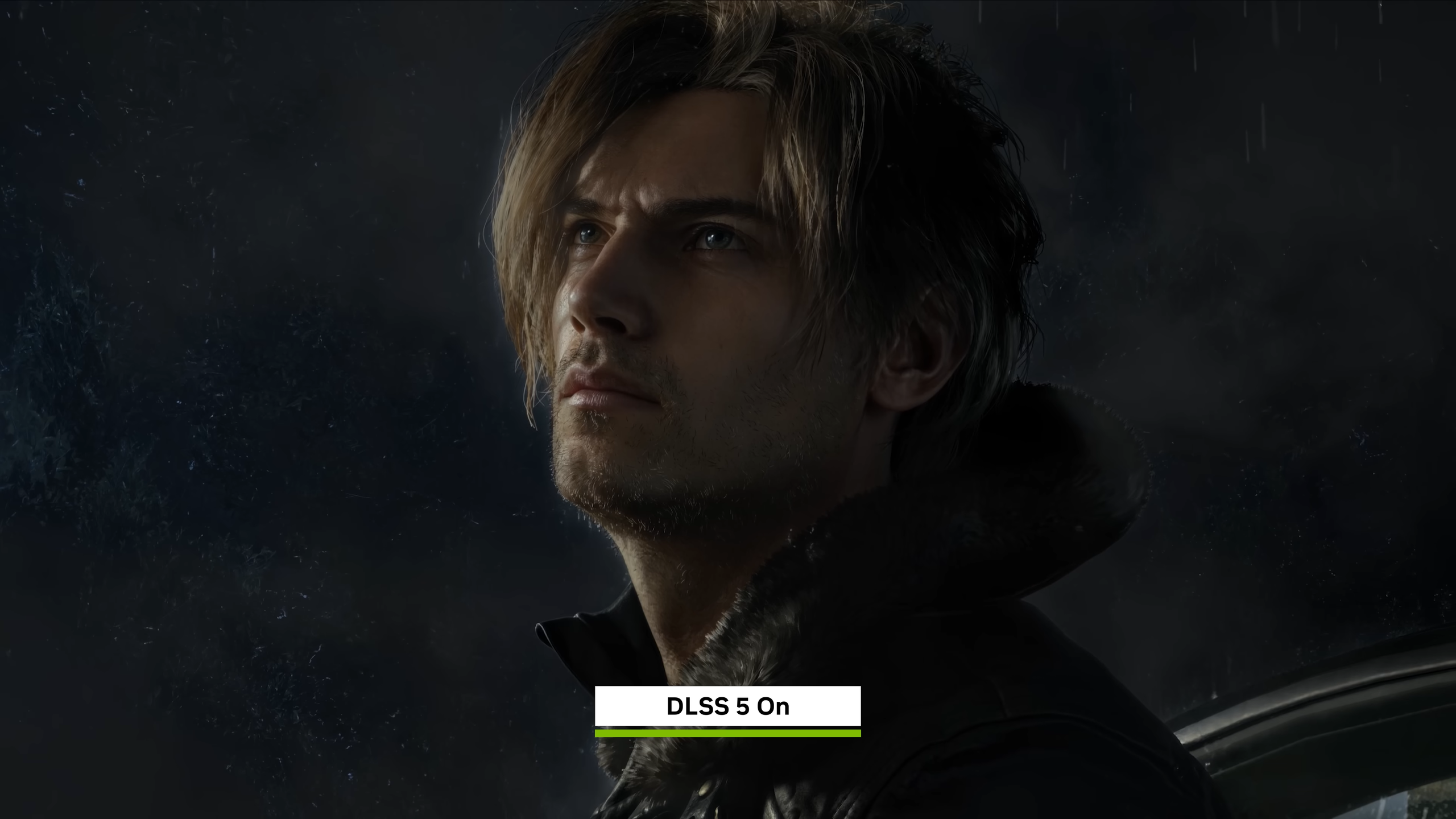
Nvidia dropped its DLSS 5 bombshell this week, but the surprise wasn’t just for gamers. Developers at Capcom and Ubisoft-whose games were showcased to highlight the tech-say they found out about the announcement at the same time as the public. This move has stirred confusion and concern within major studios, especially among artists worried about creative freedom and the rising influence of generative AI in game visuals.
For players, DLSS 5 promises sharper, more photorealistic graphics by using AI to enhance existing textures. But the rollout is already messy. Assassin’s Creed Shadows and Resident Evil Requiem featured prominently in Nvidia’s reveal, yet some developers say they were kept in the dark. One Capcom source told Insider Gaming they were “shocked” by the announcement, particularly since Capcom has historically taken an “anti-AI” stance. At Ubisoft, the secrecy surrounding the reveal left many blindsided, raising questions about who actually decides when and how these tools get deployed.
DLSS 5 isn’t out yet-it’s scheduled for release later this year. The demo shown this week isn’t the final product, and Nvidia says users will be able to toggle and customize the strength of its AI enhancements. Still, the technology’s very existence has reignited debates over artistic control. Bethesda and Nvidia CEO Jensen Huang insist developers will retain “artistic control,” but many artists remain unconvinced. The core concern: if AI-generated assets become standard, what happens to the role of real artists in AAA game development?
Ethics are also under scrutiny. Generative AI’s training models and the use of its output have sparked controversy, with critics pointing to both quality and ethical issues. The DLSS 5 reveal drew criticism for images like Resident Evil Requiem’s Grace Ashcroft, which some argue “clearly overwrites game characters with AI beauty standards.” For now, DLSS 5 isn’t designed to add new textures, but its push for photorealism still has some developers uneasy.