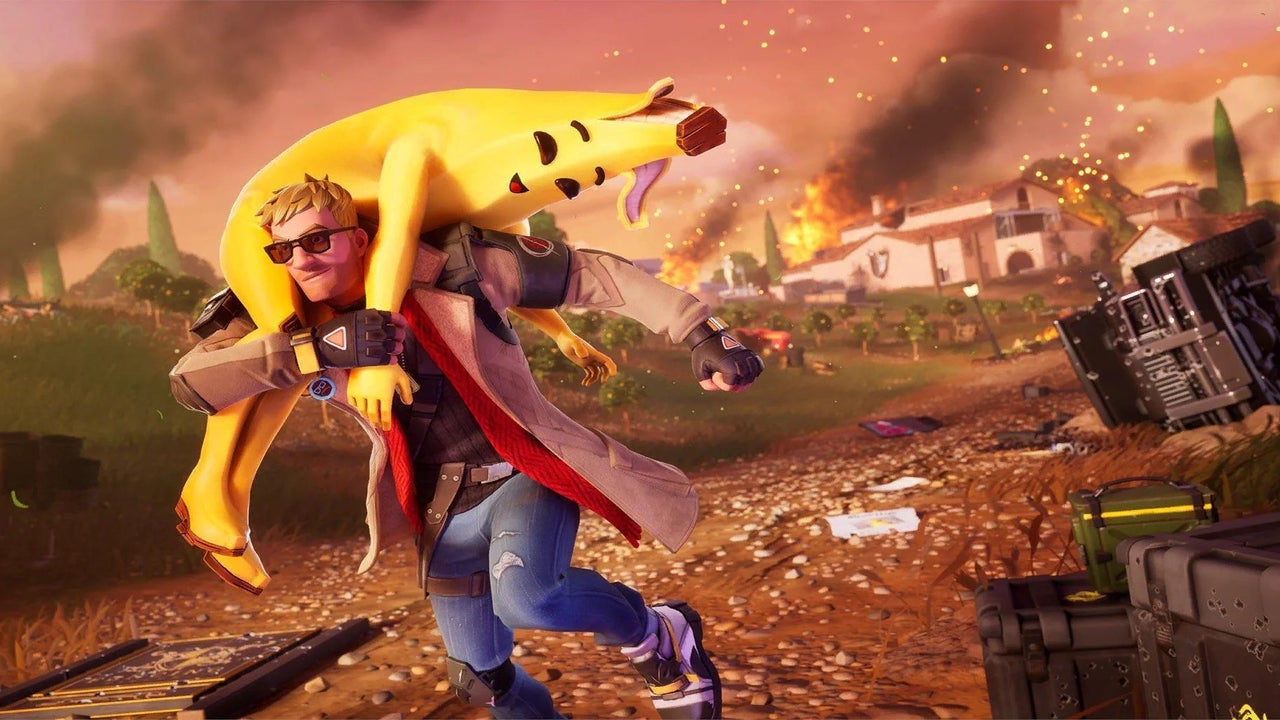
Epic Games just dropped one of the biggest layoff bombs in gaming history, cutting over 1,000 employees in a single morning. Even longtime Fortnite fans and staff were caught off guard. This move slashes nearly a quarter of Epic’s workforce, including key figures who helped turn Fortnite into a global sensation.
Why does this matter? Because Epic Games isn’t just the company behind Fortnite. It’s a tech powerhouse, creator of Unreal Engine, and a firm that’s spent years-and millions-trying to shake up the entire industry. Now, with Fortnite’s player numbers falling and costly bets coming due, Epic’s future feels far less certain. Here’s how it all unfolded-and what’s at stake for players, developers, and competitors.
Fortnite’s Player Decline: The Numbers Tell the Story
Fortnite remains huge, but it’s no longer invincible. After a big spike in 2023-fueled by the return of the original map-engagement has steadily dropped. By late 2025, monthly active users (MAUs) on PlayStation and Xbox had fallen 28% from their 2023 peak. Average playtime plunged from over 29 hours per month in December 2023 to just 15.4 hours in 2025. That’s a harsh decline for a live-service game built on keeping players hooked.
Seasonal updates haven’t reversed the trend. The much-anticipated Chapter 2 OG mode delivered only a 15% month-on-month MAU boost, compared to 51% for the original OG map. Late 2025 seasons saw peak MAUs 14% lower than at the end of 2024. Meanwhile, rivals-especially Roblox-have surged ahead. In April 2025, Roblox’s average playtime and daily visits surpassed Fortnite’s for the first time, thanks to popular mini-games like Grow a Garden and Steal the Brainrot.
Epic’s Costly Gambles: Legal Battles and Platform Ambitions
Fortnite’s decline isn’t Epic’s only challenge. The company has invested heavily in high-profile legal battles against Apple and Google, fighting for a bigger slice of mobile revenue. Epic’s CEO Tim Sweeney admitted the company lost a “huge amount of money” in these fights but said he had “no regrets”. The Apple case is ongoing; the Google dispute ended with a settlement that brought Fortnite back to Android, but at a price.
Then there’s the Epic Games Store, Epic’s bid to dethrone Steam as the PC gaming leader. The store has made some progress but remains unprofitable. Meanwhile, Epic continues to fund development of Unreal Engine, the industry’s go-to toolkit for everything from indie projects to AAA blockbusters. All these ventures burn cash-and with Fortnite’s revenue sliding, the math no longer adds up.
Layoffs: Unavoidable or Preventable?
Industry analysts saw this coming. Piers Harding-Rolls of Ampere Analysis told IGN that Epic’s rapid expansion was always a gamble. The company depended on Fortnite’s success to bankroll everything else. When engagement dipped, cost-cutting became inevitable. These layoffs bring Epic’s headcount back to 2020 levels, wiping out years of growth since the pandemic boom.
Dr. Serkan Toto of Kantan Games put it plainly: “Epic says they are spending more money than they are earning.” Instead of gradual cuts, Epic made a swift, deep cut. Personnel costs are the biggest expense, and when revenue falls, layoffs are the quickest way to stop the bleeding. Boosting profits in a tough market is far harder than trimming headcount.
The Competition: Roblox and the Battle for Player Attention
The real threat isn’t just Fortnite fatigue-it’s fierce competition. Roblox has become a juggernaut, especially among younger players. Its mini-games now outshine Fortnite’s core battle royale mode. As Roblox’s numbers soared in 2025, Fortnite’s engagement slipped. The fight for attention and monetization is fiercer than ever, and Epic is feeling the pressure.
What’s Next for Epic and Fortnite?
Epic still employs over 4,000 people and manages a portfolio that includes Unreal Engine and the Epic Games Store. But the era of endless Fortnite-fueled growth is over. The company faces a tougher, more competitive market, with rivals like Roblox and established giants like Steam and Apple holding strong. For Fortnite fans, the game isn’t dead-but expect fewer updates, slower innovation, and a leaner Epic behind the scenes.
Watch how Epic pivots: Will it double down on Unreal Engine licensing? Try to reignite Fortnite with new modes or partnerships? Or pull back, focus on profitability, and let others chase the next big thing? The battle royale isn’t just in-game anymore-it’s for Epic’s future.