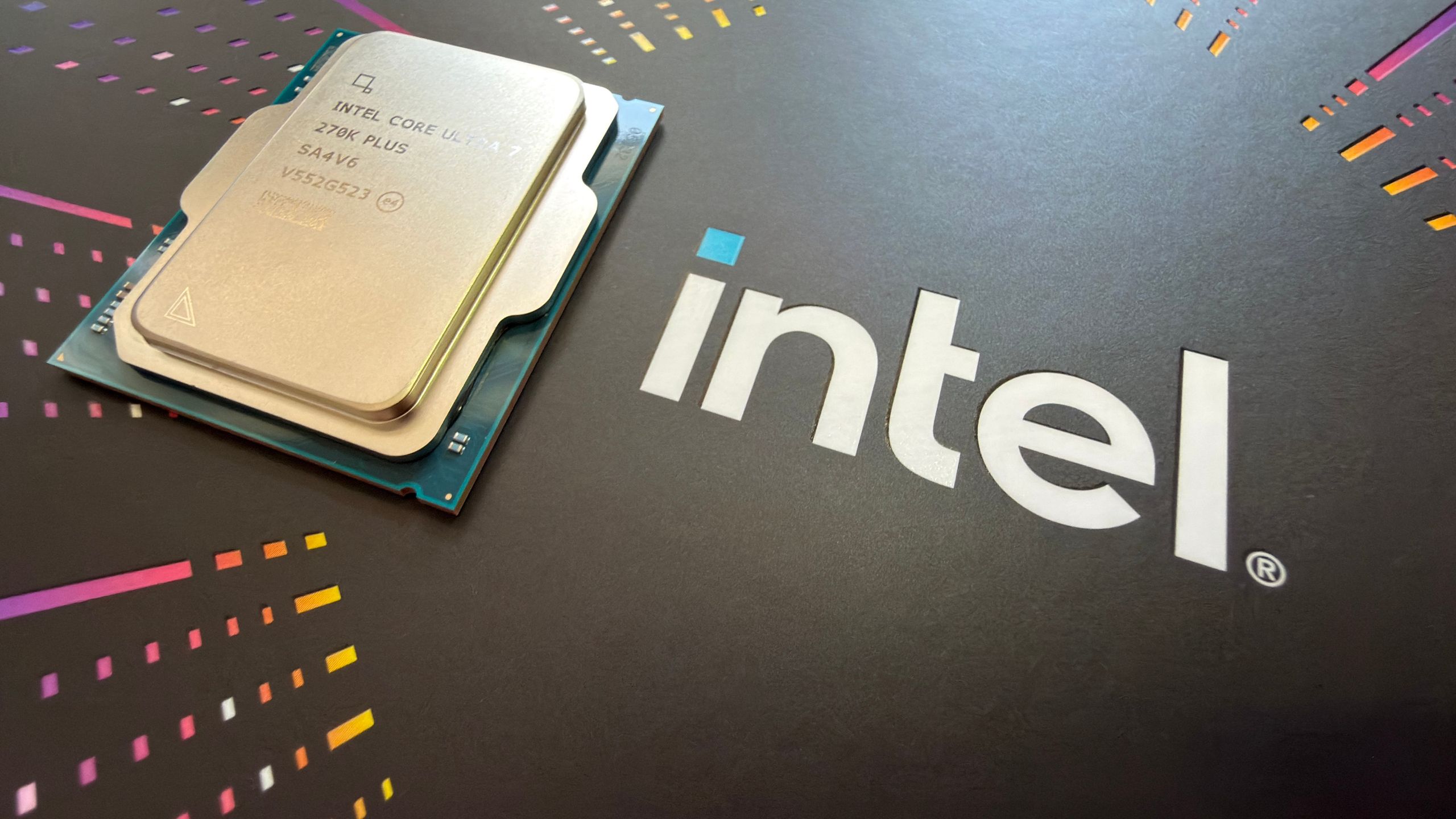
Intel’s market capitalization crossed the $300 billion mark for the first time in more than 25 years, according to data tracked by CompaniesMarketCap and first reported by Tom’s Hardware. The last time the company’s valuation sat above that level was October 2000, near the peak of the dot-com boom. After years of manufacturing setbacks, CPU controversies, and workforce reductions, investors appear to be pricing in a recovery for the 57-year-old company.
The milestone puts Intel at 47th on the global list of most valuable companies by market cap. AMD is ahead at $385 billion, and Nvidia sits in a different category at roughly $4.5 trillion. Both rivals outsource their chip fabrication, which makes direct comparison complicated. Intel owns and operates its own manufacturing plants, a distinction that has historically weighed on its valuation while also giving it potential that pure-design chip companies do not have.
Why the fabs matter now
Intel’s foundries have consumed enormous capital over many years, with returns largely confined to the company’s own product lines. That left Intel exposed whenever its chips underperformed, with no external customer revenue to offset the cost of running the plants. The fabs were a financial liability as long as Intel was their only real customer.
Two deals are changing that. Intel has confirmed a chip manufacturing agreement with Google, and the company is also part of Elon Musk‘s Terafab project, aimed at producing AI chips for SpaceX and Tesla. If those orders scale up, Intel’s fabs could run at higher utilization and generate revenue independent of its own product sales. Running foundries for outside customers, as TSMC does, creates a more consistent revenue model than relying entirely on internal chip demand.
Product line recovery
Panther Lake and Arrow Lake 200S Plus chips have both landed well with hardware reviewers and buyers. That gives Intel a stronger product position than it had during the Raptor Lake instability period, when microcode faults affected a significant number of desktop CPUs and required a fix from the company.
Intel’s overall share of the processor market also remains large. AMD has pushed into server chips and now supplies most of the hardware in gaming PCs and consoles, but the broader CPU market has not flipped. Intel still ships a significant portion of the world’s processors, which gives its valuation a floor even in difficult years.
What the competition looks like
Other US chip companies are not seeing the same movement. Texas Instruments is broadly flat and Qualcomm‘s market cap has been declining, making Intel’s recent trajectory stand out within the sector.
For buyers, sustained Intel competitiveness with AMD matters. A weakened Intel would reduce the pricing and performance pressure AMD faces. Whether the recovery holds depends on whether the Google and Terafab relationships generate steady fab revenue, and on whether newer chips hold up against AMD’s upcoming releases.