Last verified: April 2026. Availability and platform support may change.
Some games that aged well did so by accident. Others earned it through years of updates, passionate mod communities, or art direction that never depended on polygon counts. Whatever the reason, these 18 titles play better in 2026 than they did at launch. Here is a breakdown of why they hold up, organized by what kept them relevant, along with where you can play each one today.
Games that aged well thanks to modding communities
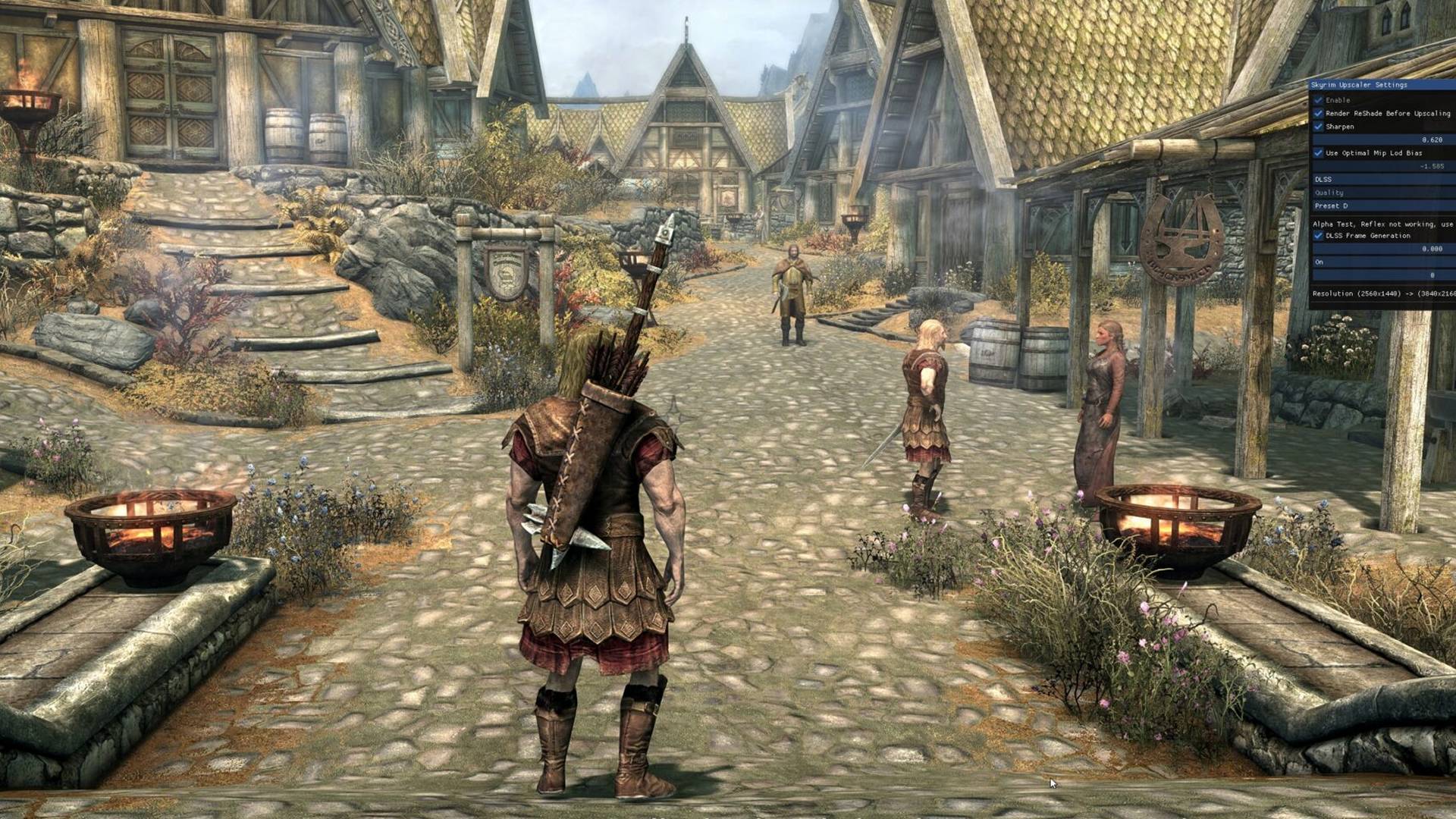
The Elder Scrolls V: Skyrim (2011) shipped as a massive open-world RPG with stiff animations and repetitive dungeons. Fourteen years later, its modding community has rebuilt the game from the ground up. Texture overhauls, new quest lines, completely reworked combat systems, and total conversion mods like Enderal turn Skyrim into something Bethesda never shipped. The Steam Workshop and Nexus Mods host over 70,000 Skyrim mods. You can play Skyrim on PC (Steam), PlayStation 5, Xbox Series X|S, and Nintendo Switch.
Minecraft (2011) started as a bare survival sandbox with placeholder textures. Mojang has released free content updates for over a decade, but the modding scene is what transformed the game. Modpacks like Feed The Beast and Create add industrial automation, magic systems, and engineering puzzles that make vanilla Minecraft feel like a tutorial. In 2026, Minecraft still holds the record as the best-selling game of all time with over 300 million copies sold. Available on PC, PlayStation, Xbox, Switch, and mobile.
Stardew Valley (2016) was already a polished farming sim at launch, but ten years of free updates from solo developer Eric Barone (ConcernedApe) added multiplayer, new farm types, and a full late-game area. The modding community built tools like SMAPI that allow hundreds of quality-of-life mods. Available on PC, PlayStation, Xbox, Switch, and mobile.
Timeless art direction that still looks good
Realistic graphics from 2005 look rough today. Stylized art does not have that problem. These games chose visual styles that age on their own terms.
The Legend of Zelda: The Wind Waker (2002) was controversial at reveal for its cel-shaded look. Players wanted a realistic Zelda after Ocarina of Time. Two decades later, Wind Waker’s cartoon style holds up better than any realistic game from the same era. The HD remaster on Wii U (2013) sharpened textures, but even the GameCube original looks clean. Playable on Wii U and GameCube. A Switch port has been rumored for years but remains unconfirmed as of April 2026.
Okami (2006) used a Japanese ink-wash painting style that made every frame look hand-drawn. Developed by Clover Studio (now part of PlatinumGames), the game flopped commercially at launch but found its audience through re-releases. The HD version runs on PC (Steam), PlayStation, Xbox, and Switch.
Cuphead (2017) was hand-animated in the style of 1930s cartoons by Studio MDHR. Every frame was drawn, inked, and colored by hand. That process means the visuals will never look dated because they were never chasing technology in the first place. The Delicious Last Course DLC (2022) added more of the same. Available on PC, PlayStation, Xbox, and Switch.
| Game | Release year | Art style | Where to play (2026) |
|---|---|---|---|
| The Wind Waker | 2002 | Cel-shaded | Wii U, GameCube |
| Okami | 2006 | Ink-wash painting | PC, PS5, Xbox, Switch |
| Cuphead | 2017 | 1930s hand-drawn | PC, PS5, Xbox, Switch |
Deep mechanics that reward replays for years
Some games get better with time because players keep finding new layers. These three are built on systems deep enough that hundreds of hours still feel fresh.
Dark Souls (2011) from FromSoftware launched with a broken PC port and spotty online connectivity. The Remastered edition (2018) fixed the technical problems, and the community spent the years since mapping out every hidden mechanic, sequence break, and build possibility. Players still discover new strategies in 2026. Dark Souls Remastered is on PC, PS5, Xbox, and Switch.
Civilization V (2010) from Firaxis Games was a mixed experience at launch. The Brave New World expansion (2013) overhauled trade, diplomacy, and cultural victory conditions so thoroughly that it became a different game. With both expansions installed, Civ V is still the version many strategy fans prefer over its sequel. Available on PC (Steam) and macOS.
Into the Breach (2018) by Subset Games is a mech tactics game on an 8×8 grid. Every run takes about two hours, but the combination of different mech squads, random map layouts, and perfect-information combat means no two runs play out the same way. A free Advanced Edition update in 2022 added new squads, missions, and enemies. Available on PC, Switch, and mobile (Netflix Games).
Communities that grew stronger over time
A game with an active community in 2026 is a game worth playing in 2026. These titles built (or rebuilt) their player bases long after launch.
Team Fortress 2 (2007) from Valve is still running 19 years after release. TF2 struggled with bot infestations and neglect for years, but its community kept the game alive through custom servers, competitive leagues, and a trading economy. Valve has started paying more attention to the game again with updates in 2024 and 2025. Free to play on PC (Steam).
Warframe (2013) from Digital Extremes launched as a bare-bones co-op shooter that reviewers mostly ignored. Twelve years of continuous updates turned it into one of the largest free-to-play games on PC and console. Major expansions like The New War and 1999 added cinematic story campaigns that rival full-price releases. Free to play on PC, PS5, Xbox, and Switch.
No Man’s Sky (2016) from Hello Games is the definitive comeback story in gaming. The launch was widely criticized for missing features and overpromising. Rather than abandoning the project, the studio spent the next decade delivering dozens of free updates that added base building, multiplayer, settlement management, mech suits, and full VR support. The game in 2026 barely resembles the 2016 version. Available on PC, PS5, and Xbox.
| Game | Launch year | 2026 status | Price | Platforms |
|---|---|---|---|---|
| Team Fortress 2 | 2007 | Active (community servers) | Free | PC |
| Warframe | 2013 | Active (regular updates) | Free | PC, PS5, Xbox, Switch |
| No Man’s Sky | 2016 | Active (free expansions) | Paid | PC, PS5, Xbox |
Continued developer support that changed everything
These games were good at launch and became great because their developers kept working on them for years without charging for expansions.
Terraria (2011) from Re-Logic was a $10 indie game that could have been finished in its first year. Instead, Re-Logic delivered 13 years of free content updates. The 1.4 Journey’s End update (2020) was supposed to be the last, but the studio came back with 1.4.5 anyway. Terraria now has over 5,000 items, dozens of bosses, and gameplay that spans hundreds of hours. Available on PC, PS5, Xbox, Switch, and mobile.
Deep Rock Galactic (2020) from Ghost Ship Games is a co-op mining shooter where space dwarves dig through procedurally generated caves. The base game was already solid, but years of free seasonal content, new mission types, weapons, and community events turned it into one of the most loved co-op games on Steam. A spinoff, Deep Rock Galactic: Survivor, arrived in 2024. The original is on PC, PS5, and Xbox.
Hollow Knight (2017) from Team Cherry launched at $15 with a complete game. The studio then released four free DLC packs that added new areas, bosses, and game modes, including the notoriously difficult Godmaster challenge. Nine years later, Hollow Knight remains one of the highest-rated Metroidvanias ever made. Available on PC, PS5, Xbox, and Switch.
What these games have in common
The pattern is consistent across every game on this list. None of them relied on cutting-edge graphics as a selling point. All of them offered systems, communities, or ongoing support that gave players reasons to return years after release. A game that depends on visual fidelity alone will always be surpassed by the next hardware generation. A game that depends on strong design, active players, or a dedicated studio ages on a completely different timeline.
There is also a financial angle. Most of these games are cheaper in 2026 than they were at launch, and several are free. A new player picking up Warframe, TF2, or No Man’s Sky today gets a far more complete product than early adopters paid for.
| Category | Games covered | What kept them relevant |
|---|---|---|
| Modding communities | Skyrim, Minecraft, Stardew Valley | Player-created content extends lifespan indefinitely |
| Timeless art | Wind Waker, Okami, Cuphead | Stylized visuals never become outdated |
| Deep mechanics | Dark Souls, Civ V, Into the Breach | Systems complex enough to reward hundreds of replays |
| Community growth | TF2, Warframe, No Man’s Sky | Active player bases and post-launch turnarounds |
| Developer support | Terraria, Deep Rock Galactic, Hollow Knight | Years of free content updates |
Frequently asked questions
What makes a game age well compared to other media?
Games face a unique aging problem that movies and books do not: technology. A film from 1994 looks the same today as it did then. A game from 1994 may not run on modern hardware without patches or emulation. Games that age well either avoid technology dependence (through strong art direction) or receive ongoing updates that keep them compatible and relevant.
Are older games worth playing if you missed them at launch?
In most cases, older games are a better experience now than at launch. Bugs have been patched, DLC is bundled, mods are mature, and prices are lower. Skyrim in 2026 with mods is a different experience than Skyrim in 2011. No Man’s Sky in 2026 is barely the same product as the 2016 version. Starting late is often an advantage.
Which game on this list has improved the most since launch?
No Man’s Sky is the strongest candidate. The gap between the 2016 launch and the 2026 version is enormous. Features like multiplayer, base building, settlement management, expeditions, and VR support did not exist at release. The studio delivered over 40 free updates without charging for any of them.
Do games need mods to age well?
No. Mods help games like Skyrim and Minecraft stay relevant, but games like Cuphead and Into the Breach aged well without any mod support. Strong mechanical design and timeless art direction can carry a game for decades on their own. Mods are one path to longevity, not the only one.