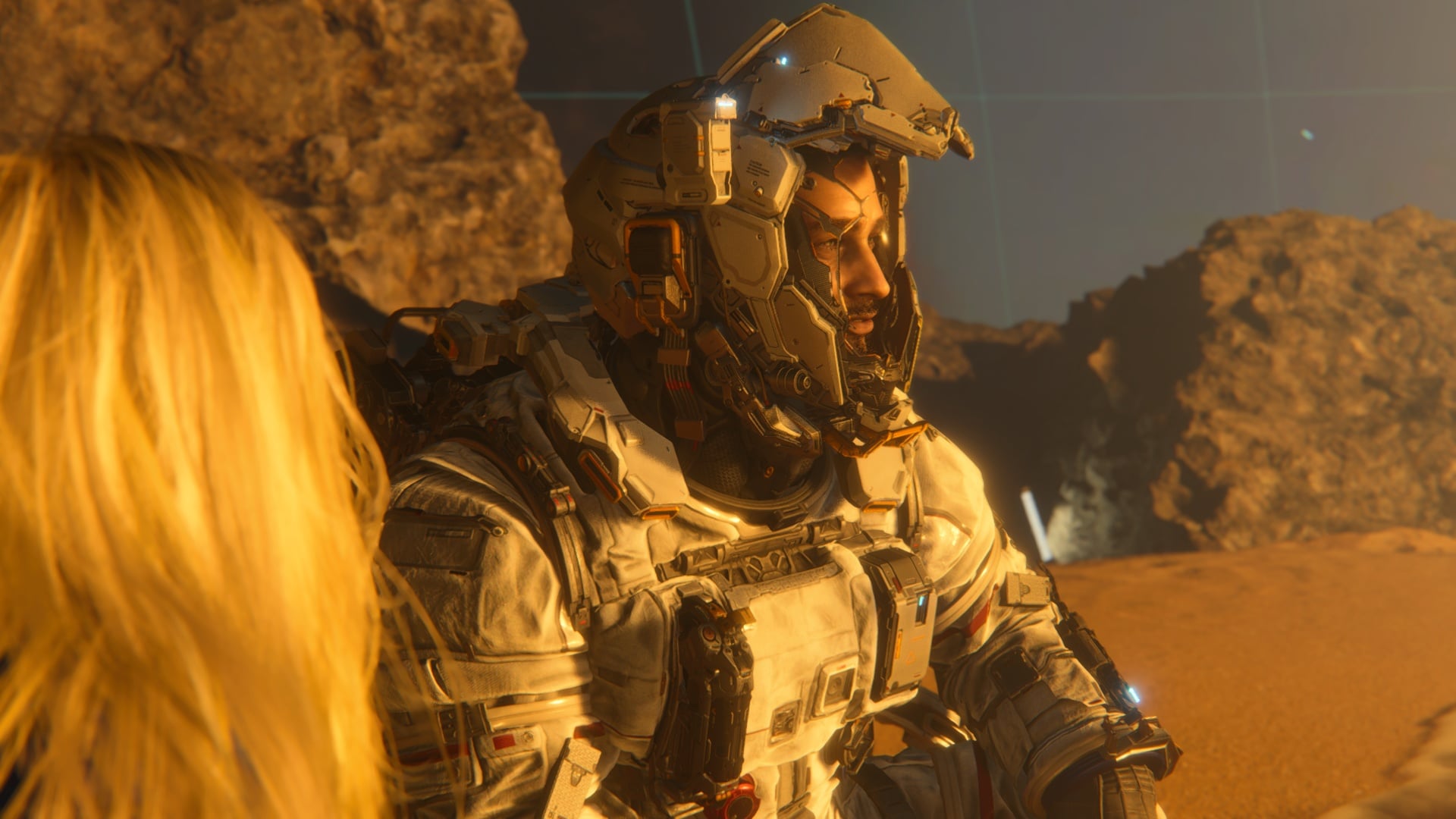
Nvidia posted comparison screenshots of Capcom‘s sci-fi shooter Pragmata running with and without RTX path tracing, claiming the RTX version delivers “improved shadows under objects and accurate reflections.” The images, shared ahead of the game’s April 17 release, have drawn significant criticism. Kotaku‘s Kenneth Shepard argues the Pragmata RTX path tracing comparison backfires, describing the RTX-on shots as washed out and artistically damaging to the game’s intended look.
Jacob Freeman, a developer relations representative at Nvidia, posted the screenshots on April 13 through the official GeForce Twitter account. Freeman called out specific improvements visible in the RTX shots, including shadows under objects and reflections in the environment. The post aimed to demonstrate the visual benefits of enabling RTX on Pragmata’s space station environments, part of the standard promotional push Nvidia runs before major releases supporting its graphics technology.
Why the Pragmata RTX path tracing shots look wrong
Technically, the RTX-on shots show more accurate shadows and reflections. However, Shepard argues the Pragmata RTX path tracing version is “completely lacking in depth and contrast” and looks “comically washed out.” Objects in the scene resemble unfinished placeholder assets rather than polished game art. The comparison aimed to make a case for the technology, but the side-by-side images have had the opposite effect on most viewers.
Pragmata’s environments rely on a dark, deliberate aesthetic. Its space station settings feel ominous by design, with controlled contrast and intentional shadow placement creating that effect. The Pragmata RTX path tracing implementation brightens those areas noticeably, flattening the shadows that give the game its atmospheric weight. The lighting reads as bare rather than refined. Shepard describes this as implementing ray tracing “without any artistic context,” noting that areas “meant to look somewhat ominous” are visibly lightened.
Accurate lighting versus artistic intent
Path tracing calculates how light behaves in the physical world, accounting for reflections, shadows, and indirect illumination at the pixel level. In games built around that rendering model from the start, results can look genuinely good. In a title like Pragmata, where the developers built the lighting around a heavily stylized, dark aesthetic instead, the physically accurate rendering works against the intended atmosphere. The game looks technically correct and wrong for its own tone at the same time.
Nvidia has drawn comparable criticism before. Its DLSS AI upscaling technology generated complaints in certain titles for altering character faces, producing AI-processed results that diverge from the original artwork. Both cases reflect the same tension: applying graphics technology to art-directed games without accounting for what that technology changes. Technical improvement and artistic quality are not always the same thing.
What players can expect at launch
Pragmata launches April 17. Based on the reaction to the Pragmata RTX path tracing comparison screenshots, Shepard expects most players will leave path tracing disabled and play Pragmata with the original lighting Capcom’s art team built.