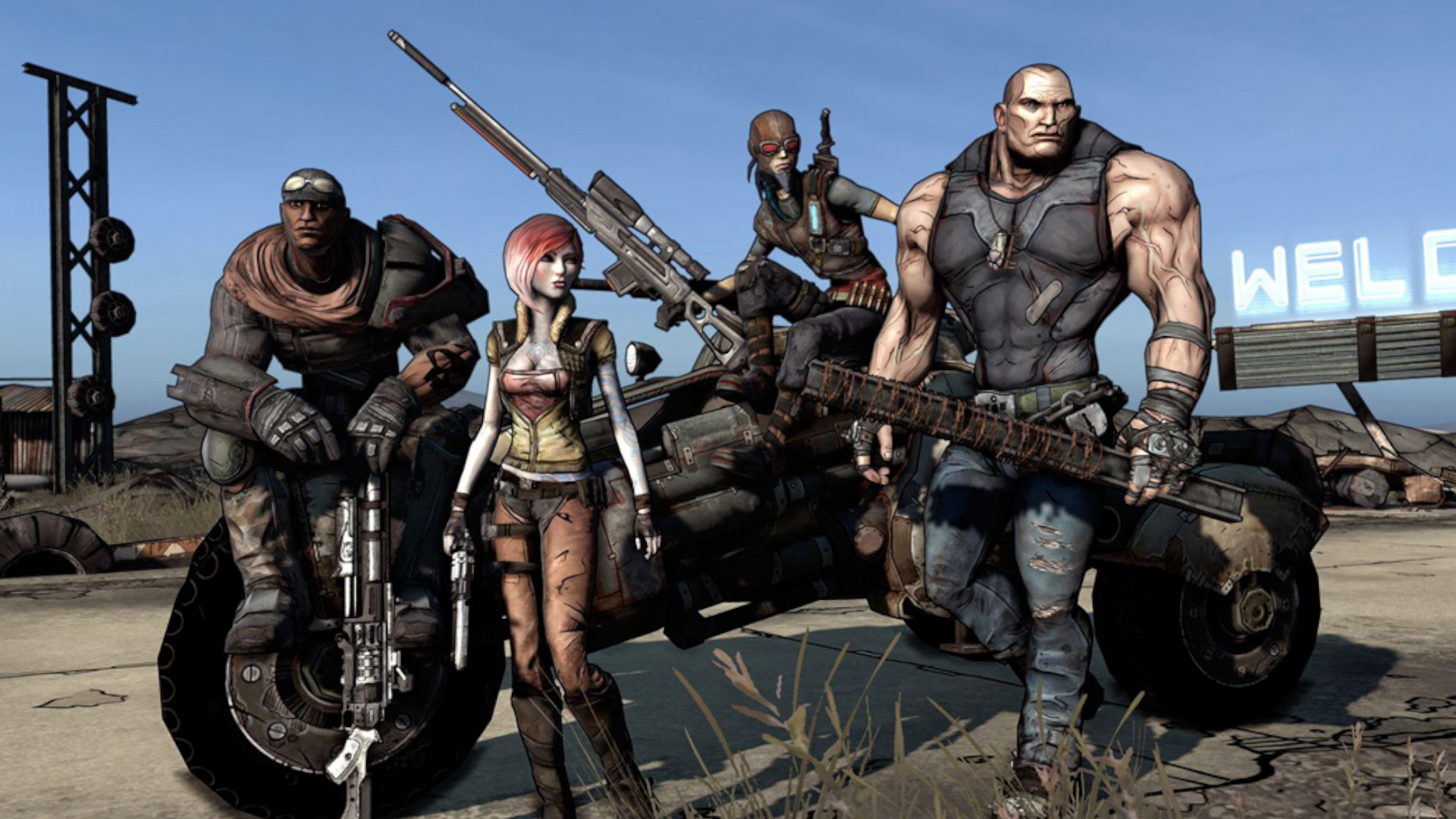
The original Borderlands nearly shipped as a grey, generic shooter before a last-minute art style overhaul transformed it into the cel-shaded franchise fans know today. Take-Two Interactive CEO Strauss Zelnick says the overhaul cost $50 million. It also pushed the release back by a full year, a decision the company made with limited capital and a game already two months from launch.
Zelnick described the moment in a podcast interview with host David Senra. The division head came to his office and asked to redo a nearly finished product.
A $50 million bet on the Borderlands art style
“We had not turned around the company yet, we had very limited capital, and we were developing a game that was about to be released two months later, which is to say it’s done. I mean, we had spent a lot of money,” Zelnick told Senra. “The head of the division came into my office and said, ‘Look, we just don’t think this is good enough and we think we screwed up, and the art style is not appropriate and it’s not differentiated, we want to remake the game.'”
Zelnick said he “dug in and did my homework” before backing the decision. He described it as “non-obvious,” adding that no one else in the industry would have made the same call. The company went ahead, and the result was the comic-book cel-shading that has defined the franchise through every entry since.
Putting the cost in perspective
The $50 million figure draws attention when measured against the rest of the series. Randy Pitchford, co-founder of Gearbox Software, previously estimated Borderlands 2‘s full production budget at around $35 million. On those numbers, the art overhaul on the original game alone cost more than the sequel’s entire development.
Zelnick’s account also illustrates how precarious Take-Two’s position was at the time. The publisher had not fully recovered financially, and committing an extra year and tens of millions of dollars to reshape a nearly finished game was an unusual move. The original Borderlands launched in October 2009, sold millions of copies, and built into one of the company’s most durable franchises.
What the original Borderlands looked like
Pre-release footage showed a far darker, more realistic visual direction. Early testers drew comparisons to id Software‘s Rage and Bethesda’s Fallout 3, two games now associated with the de-saturated aesthetic common to late-2000s shooters. The Borderlands art style overhaul replaced that direction with cel-shaded outlines and bold colour. The franchise gained a visual identity its contemporaries lacked.
Borderlands 2 released in 2012 and Borderlands 3 in 2019, with both carrying the cel-shaded look established by the overhaul. Zelnick summed up the original decision plainly.
“Had we not done that, Borderlands wouldn’t have been a hit,” he said.