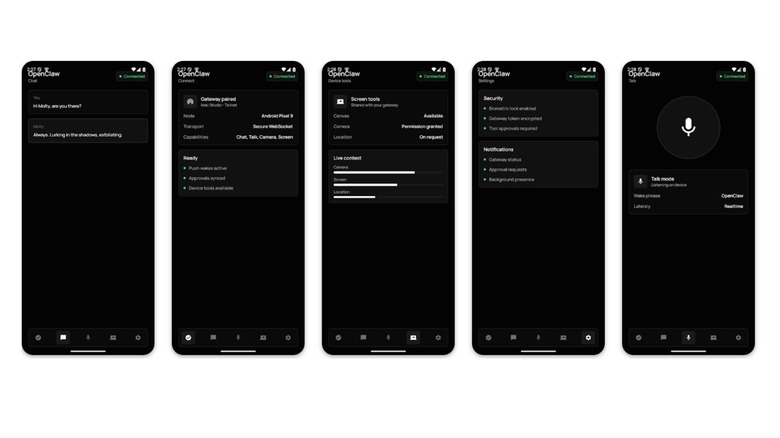
OpenClaw has released standalone apps for iOS and Android, bringing its AI agent platform to the App Store and Play Store. Both are published by the OpenClaw Foundation, the open-source organization that now runs the project. The OpenClaw app gives users a direct line to the AI assistant on their phone. It lets them grant access to device functions including the camera, screen, location services, photos, contacts, calendar, and reminders. Before these dedicated apps existed, the only way to run OpenClaw agents on a phone was through third-party messaging platforms.
The change matters most for iPhone owners. iOS users previously had to route their AI agents through messaging apps like Telegram or WhatsApp. Apple had blocked many agentic tools from the App Store over security concerns tied to vibe coding, a term for using AI to write and run code on a user’s behalf. That blocked access for many users who wanted a native option. The dedicated OpenClaw app removes that dependency.
What the OpenClaw app can access on your device
Once users accept the permission requests, the OpenClaw app can view the device screen, track location, read contacts and calendar entries, browse the photo library, and access the camera. Users can accept or deny each permission individually through the standard iOS or Android settings panel. The agent can only reach the parts of the device the user approves.
That level of access mirrors how AI agents have operated on desktop systems for some time, where similar tools read files, watch screens, and run commands. On mobile, a full-access agent available through an official app store is less common. The permissions OpenClaw requests go further than most smartphone apps, and how many users choose to grant them will shape how useful the tool becomes in everyday contexts.
OpenClaw’s foundation and OpenAI backing
OpenClaw moved from a smaller open-source project to one of the more prominent AI agent platforms relatively quickly. The organization now runs under the OpenClaw Foundation after founder Peter Steinberger left to join OpenAI earlier this year. OpenAI, when it announced Steinberger’s hire, said it would provide some form of support to the Foundation. Neither organization has explained what that involves, and neither has disclosed the full scope of OpenAI’s involvement with the independent Foundation.
Apple’s history with agentic AI tools
Apple’s App Store review process has been more restrictive than most when it comes to agentic AI. The company blocked several tools in this category, citing concerns around vibe coding practices. The OpenClaw app’s presence in the store indicates Apple reviewed and cleared it. The company has not issued any statement about how it will approach similar applications going forward, so for now, individual applications in this category are handled case by case.