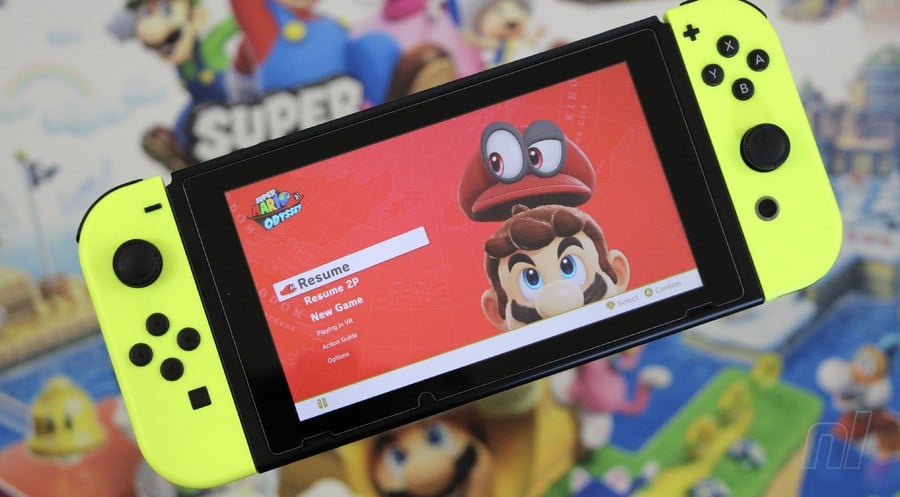
Nintendo has asked a U.S. federal court to dismiss a tariff refund lawsuit. Two Switch owners filed the suit, arguing they are owed money back after paying inflated prices tied to import tariffs. In a new court filing, Nintendo says the plaintiffs “received exactly what they bargained and paid for” when they bought hardware at the higher price.
The dispute traces back to August 2025. Nintendo had launched the Switch 2 two months earlier, in June, and then raised prices on the original Switch and several Switch 2 accessories that August, citing “market conditions.” The increases arrived alongside tariffs the U.S. government had placed on imported goods. A court later ruled those tariffs illegal. Nintendo then filed its own suit against the federal government, seeking refunds for the tariff costs it had already paid.
Why the tariff refund lawsuit was filed
Plaintiffs Gregory Hoffert and Prashant Sharan sued Nintendo in April over the price increases, several months after the August 2025 hikes took effect. They argue that any refund Nintendo wins from the government should flow back to customers too. Those customers, they say, covered the tariff cost through higher shelf prices. Their worry is that Nintendo could collect a government refund while keeping every dollar of the extra revenue from the price hikes, effectively benefiting twice from the same tariffs.
Nintendo’s dismissal argument
According to Game File, which first reported on the filing, Nintendo’s lawyers describe the plaintiffs’ purchases as closed transactions. A completed sale, they argue, carries no ongoing right to a price adjustment. The company frames the request for retroactive pricing as a misunderstanding of how retail sales work.
“The common thread among Plaintiffs’ claims is that it is somehow unfair that Nintendo has not retroactively adjusted its prices for completed sales in response to the outcome of the tariff litigation. But that is not how commercial transactions work,” the filing states.
A wider pattern among retailers
Nintendo is not alone in taking this position. Other companies raised prices during the same tariff period too. Most have declined to issue refunds to customers, even where they pursued their own claims against the government. The Hoffert and Sharan case will test that pattern. It asks whether a court can require Nintendo, or any company like it, to share tariff refunds with the buyers who paid for them.
A ruling on Nintendo’s motion to dismiss would set an early marker for how courts handle this type of claim. Several tariff-related price increases from 2025 remain tied up in litigation. For now, the two sides disagree on a basic question. Once a tariff is struck down, who keeps the money it generated: the government, the company, or the customer who covered the bill.