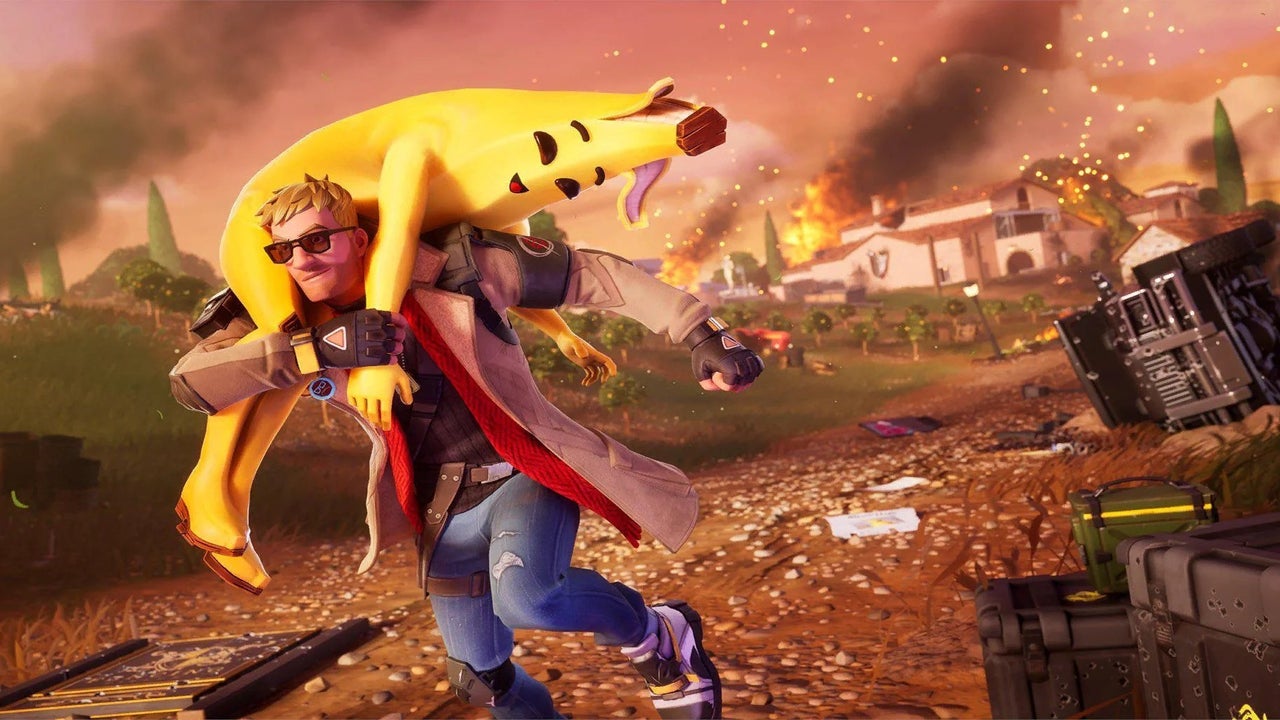
Epic Games just laid off over 1,000 employees-one of the biggest cuts we’ve seen in the gaming world. This sent shockwaves not only through the Fortnite community but also among the veteran staff who helped turn the battle royale into a global powerhouse. The company cites rising development costs and a drop in Fortnite engagement, but the challenges run much deeper than just player numbers.
This isn’t merely a Fortnite issue. It’s a warning for the entire industry: even giants aren’t immune to shifting player habits, costly legal battles, and the harsh economics of live-service games. With competitors like Roblox gaining ground and Epic’s own storefront ambitions faltering, the company is scrambling to rethink its future-quickly.
Fortnite’s Player Decline: More Than a Seasonal Dip
After years reigning as the battle royale king, Fortnite is finally showing signs of strain. While it still draws huge numbers, recent data reveals a clear downward trend. The return of the original map in late 2023 boosted monthly active users (MAUs) by 51% on PlayStation and Xbox, but subsequent events failed to sustain that momentum. By the end of 2025, peak MAUs were down 14% from the previous year, and average monthly playtime dropped sharply-from over 29 hours in December 2023 to just 15.4 hours in 2025.
Seasonal updates, once guaranteed hype drivers, are now yielding diminishing returns. The much-anticipated “Big Bang” event introduced new modes-racing, music, survival-but the surge was fleeting. Meanwhile, unpopular content like the notorious alien bug season failed to excite core players. Fortnite’s ups and downs have always been cyclical, but this slump feels deeper.
Roblox and the Battle for Player Attention
While Fortnite stumbled, Roblox soared. Starting April 2025, Roblox’s average playtime and daily visits surpassed Fortnite’s for the first time. Mini-games like Grow a Garden and Steal the Brainrot outshined Fortnite’s main mode. The fight for players’ attention-and their wallets-is fiercer than ever.
This shift isn’t just about content. Roblox’s user-generated worlds and social features are proving stickier than Epic’s top-down seasonal drops. As engagement declines, so does revenue, forcing Epic to slash costs and rethink its live-service strategy.
Epic’s Costly Gambles: Legal Battles and the Storefront Bet
Running Fortnite is just one piece of Epic’s financial puzzle. The company has invested heavily in the Unreal Engine, waged high-profile legal battles against Apple and Google, and tried to challenge Steam with its own PC game store. These moves aimed to secure Epic’s future beyond Fortnite, but the price tag has been steep.
Epic CEO Tim Sweeney acknowledged the company lost a significant sum fighting Apple and Google, though he said he has “no regrets.” The Google dispute ended in a settlement, allowing Fortnite back on Android, but the battle with Apple continues. Meanwhile, the Epic Games Store has struggled to chip away at Steam’s dominance despite heavy spending on exclusives and giveaways.
Layoffs: The Unavoidable Math of a Shrinking Business
With revenue dropping and costs soaring, Epic had little choice but to reduce staff. Industry experts note that personnel costs are usually the largest expense for companies like Epic. As one analyst put it: “When revenue falls, companies scrutinize costs, and personnel is typically the biggest chunk.”
This isn’t Epic’s first round of layoffs. In 2023, the company cut 830 jobs. Now, after the latest round, Epic’s workforce has shrunk back to roughly its 2020 size. The message is clear: the era of unchecked growth is over, and even industry giants must tighten their belts.
What This Means for the Industry-and Players
Epic’s troubles serve as a wake-up call for anyone betting big on live-service games. Player preferences shift rapidly, and even genre-defining hits can lose their edge. Roblox’s rise shows that community-driven content and social play currently outpace top-down, event-driven models.
For developers, the lesson is stark: diversify or risk being blindsided by the next trend. For players, it means more volatility-favorite games can fall out of favor overnight, and the companies behind them aren’t as invincible as they seem.
What to Watch Next: Can Epic Bounce Back?
Epic isn’t out of the game yet. With over 4,000 employees still on board and the Unreal Engine powering countless titles, the company has plenty of assets. But the days of Fortnite printing money are behind it. Expect Epic to tighten spending, rethink live-service content, and possibly pivot more aggressively toward tech and engine licensing.
The big question: can Epic find its next big hit before competitors leave it in the dust? For now, the industry watches closely-learning from a giant’s stumble.