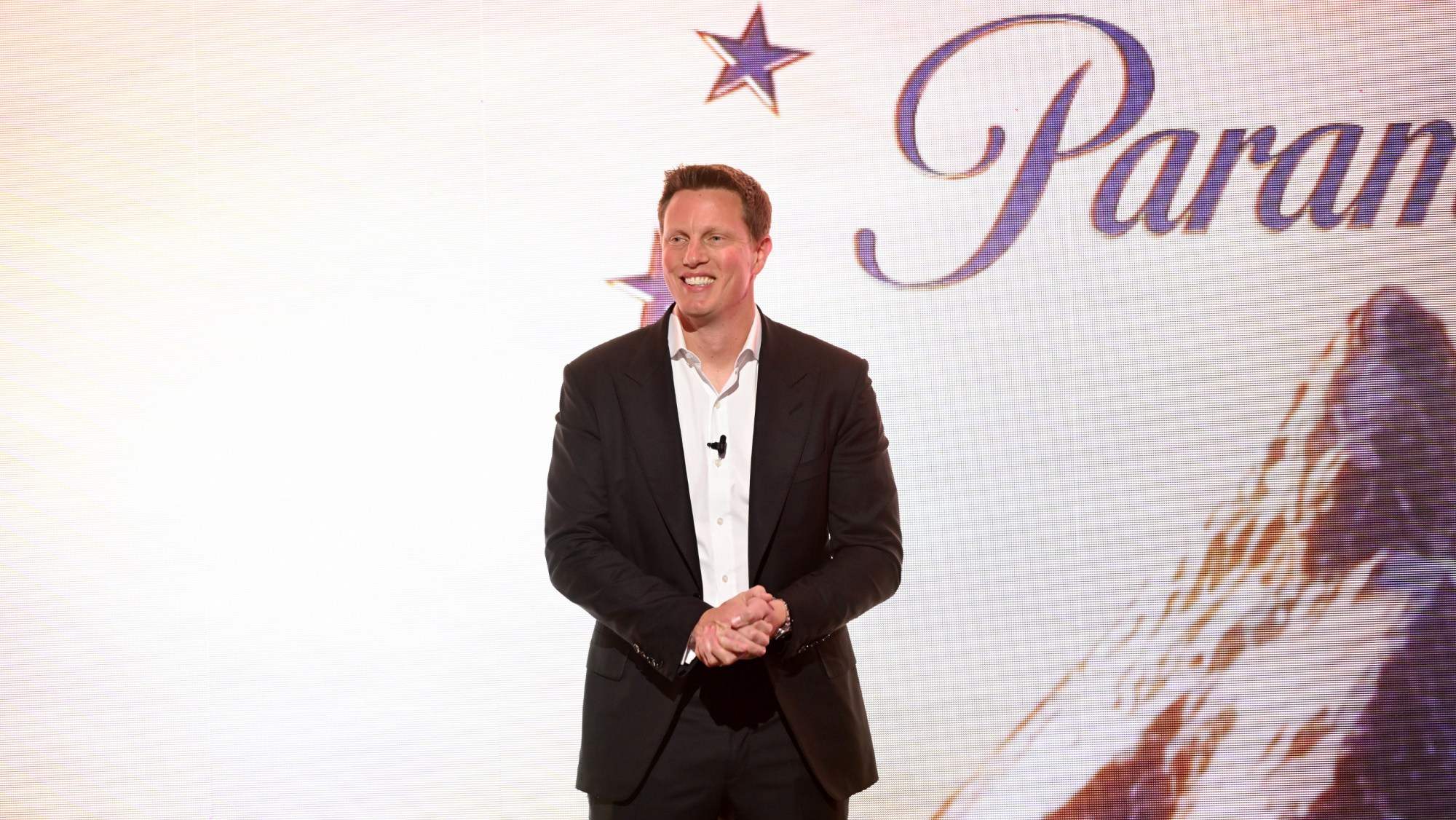
Paramount Skydance CEO David Ellison is lobbying Congress for a federal film tax incentive, and the effort came into public view on the same day that state regulators moved to block his company’s proposed merger with Warner Bros. Discovery.
On Monday, Ellison and Paramount chief legal officer Makan Delrahim met with Republican members of the House Ways and Means Committee to build support for a bipartisan bill. A source in Washington confirmed the meeting was one of several trips Ellison has made to promote the legislation. His support for the idea has been known for months, but the details of his direct involvement had not been reported before.
What a federal film tax incentive would do
The proposed measure would create a federal film tax incentive that stacks on top of the tax credits individual states already offer. Productions would claim a national benefit in addition to state programs, lowering the cost of shooting in the United States. For a studio head, and for someone hoping to run a combined Paramount and Warner Bros. Discovery, the appeal is direct.
Supporters argue that a national credit would slow the flow of film and television work to countries such as Canada, the United Kingdom and Hungary, where generous rebates have pulled productions away from California for years. State programs, they say, cannot compete with those offers on their own.
Earlier, Senator Adam Schiff and Representative Laura Friedman had been gathering support for a federal incentive. Schiff’s public feud with President Donald Trump was viewed within the industry as a complication, though sources say both lawmakers remain involved. It was not clear on Monday which legislators would formally carry the bill Ellison is backing.
A merger fight in the background
The lobbying push surfaced hours after California attorney general Rob Bonta and 11 other state regulators filed suit to block the proposed $111 billion Paramount-Warner Bros. Discovery merger. The Department of Justice had signed off on the transaction on June 12, but the states’ challenge complicates Ellison’s timeline.
Trump has said little about domestic film production since floating a “100 percent tariff” on movies made abroad during 2025. He has stayed interested in the subject, meeting in May with actor Jon Voight, one of his appointed ambassadors to Hollywood, along with Steven Paul and Scott Karol, to discuss the incentive idea. Trump has also spoken warmly of Ellison and his father, Larry Ellison, saying in June 2025 that David would “do a great job” leading a combined company.
Ellison’s backing could help bring Trump on board, giving the bill a route that a Schiff-led effort might struggle to find on its own. Whether that happens depends on which lawmakers sponsor the measure and how the merger challenge plays out in court.