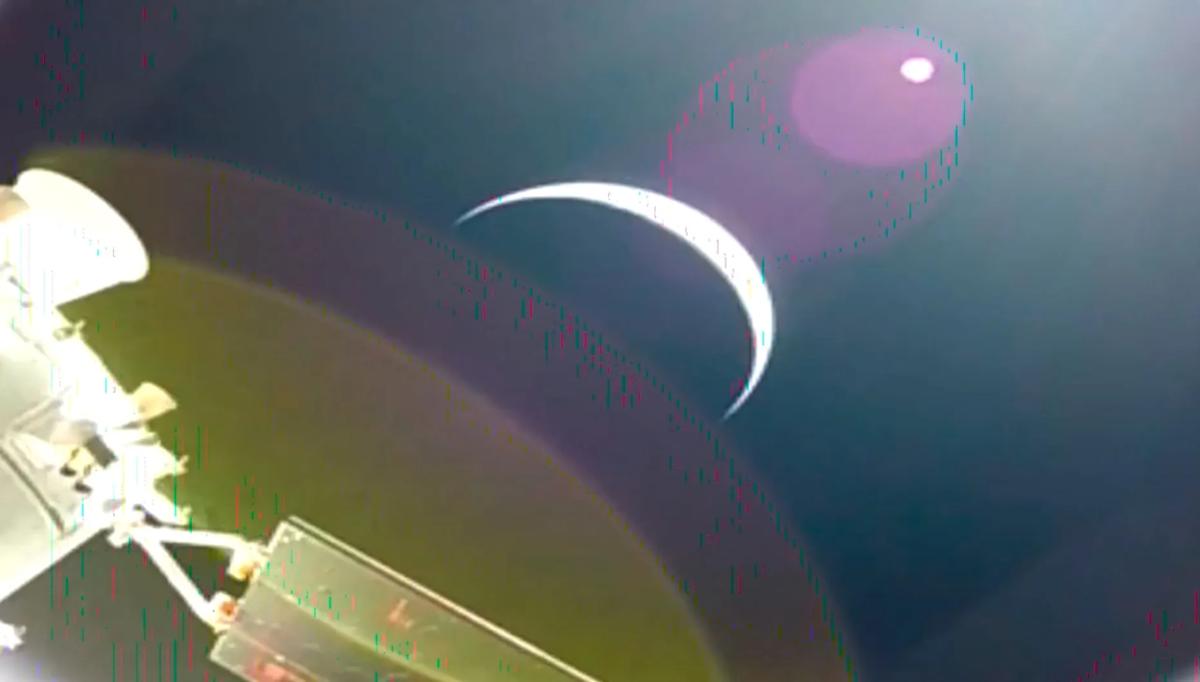
NASA‘s Artemis II mission just made history. The Orion capsule, dubbed Integrity, fired its main engine for six minutes, generating 6,000 pounds of thrust-enough to break free from Earth’s gravity and set course for the moon. This is the first time since Apollo 17 in 1972 that humans have left Earth orbit. Dr. Lori Glaze from NASA Headquarters called it a milestone: “Today, for the first time since Apollo 17 in 1972, humans have departed Earth orbit.”
Why does this matter? Artemis II is the first crewed flight of the Artemis program. It’s not just a test flight-it’s a full-on lunar mission with four astronauts: Reid Wiseman, Victor Glover, Christina Koch, and Jeremy Hansen from the Canadian Space Agency. Their 10-day trip will take them around the far side of the moon, snapping photos and gathering data that could shape the future of lunar exploration.
For players and tech fans, this is the kind of real-life achievement that inspires every sci-fi game with a moon base. The Artemis program is NASA’s shot at building a long-term presence on and around the moon. If all goes well, Artemis III could put boots on lunar soil again-this time with a more diverse crew and better tech than the Apollo days.
Launch Details and Early Hiccups
Artemis II launched on April 1 at 6:35PM Eastern after delays caused by a hydrogen leak and a helium issue. Within hours, the crew ran into some classic space problems: a faulty onboard toilet and a Microsoft Outlook glitch on their Surface Pro. Christina Koch fixed the toilet, and the Outlook issue didn’t stop the mission. These are the kinds of real-world bugs you don’t see in Kerbal Space Program, but the crew handled them like pros.
Commander Reid Wiseman described seeing “the entire globe from pole to pole” as a “spectacular moment.” The crew is now en route to the far side of the moon, a region no human has directly observed before. On April 6, they’ll pass by this lunar dark side, taking photos and sharing their own observations of the surface.
Why Gamers and Space Fans Should Care
This isn’t just a NASA flex. Artemis II is a proof-of-concept for deep space travel with modern tech. The mission’s success could accelerate plans for lunar bases, Mars missions, and maybe even commercial flights beyond Earth orbit. For anyone who’s ever built a moon colony in a game, this is the real deal-actual humans, real hardware, and a shot at rewriting what’s possible in space.
Speculation: If Artemis II completes its mission without major issues, expect a surge in funding and interest for lunar projects from both public and private sectors. The next few years could see more international astronauts, new tech, and even game studios drawing inspiration from these missions.
The bottom line
- Artemis II has officially left Earth orbit-the first crewed mission to do so since 1972.
- The crew will circle the moon, collecting data and testing systems for future lunar landings.
- Minor technical issues haven’t slowed the mission, showing the resilience of both crew and hardware.
For space fans and gamers alike, Artemis II isn’t just a throwback to Apollo-it’s the launchpad for the next era of human exploration. Eyes on the moon, controllers in hand.