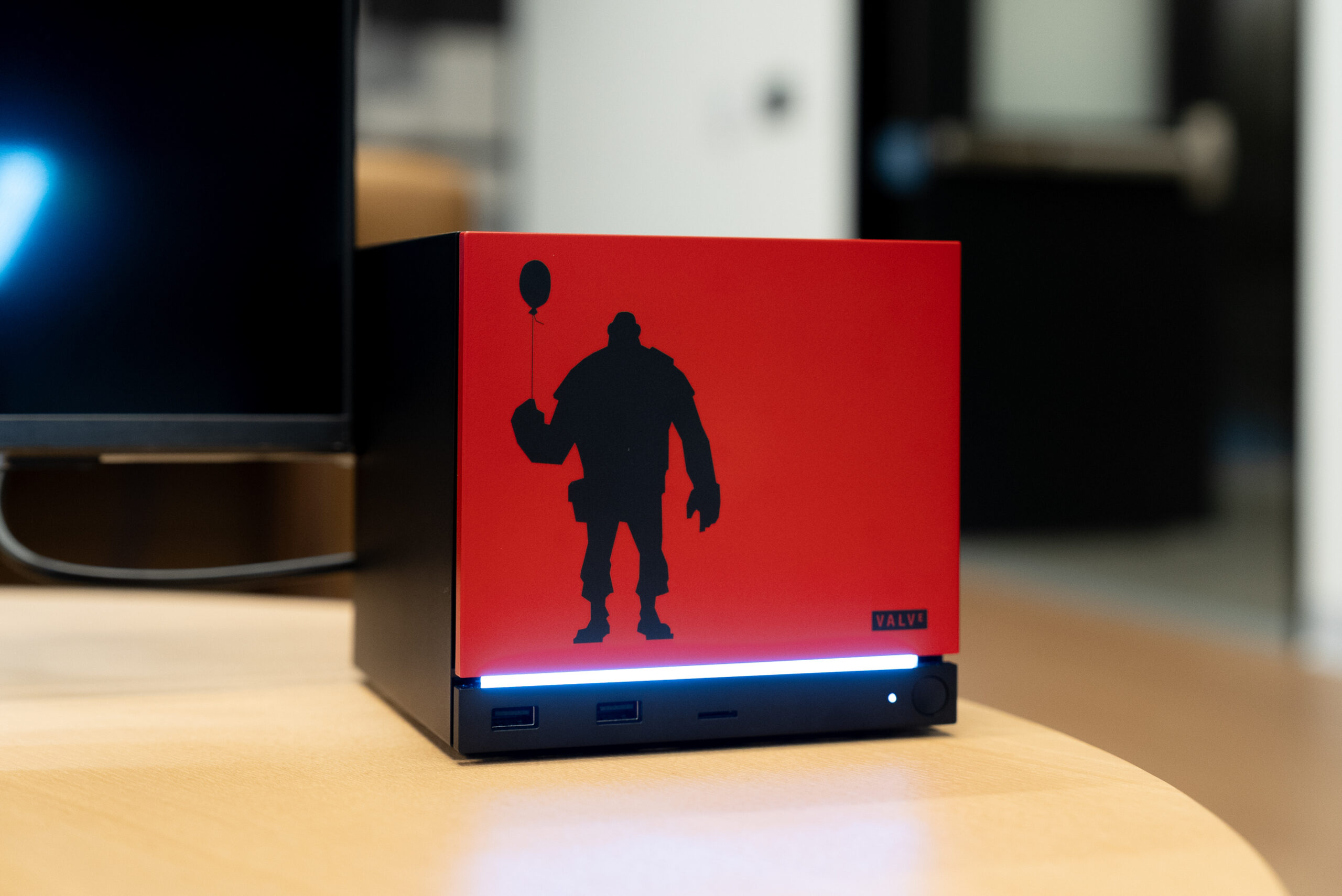
Valve has just rolled out the SteamOS 3.8.0 preview, and it’s a hefty update. The highlights: true hibernation for the Steam Deck, a slew of improvements for rival handhelds, and the first official nod to the upcoming Steam Machine living room PC. Whether you game on the go or from your couch, this is a significant upgrade.
Why does it matter? SteamOS powers the Steam Deck and an expanding lineup of handhelds. With more brands joining in and Valve reigniting its living room ambitions, this update could reshape where and how we play PC games. Here’s what SteamOS 3.8 brings to the table.
Hibernation Arrives: Steam Deck’s Most-Requested Feature
The star feature is true hibernation for the Steam Deck LCD model. Until now, the Deck’s instant-on sleep mode drained battery faster than many Windows handhelds. With hibernation, the Deck finally powers down properly, saving your game state while sipping minimal battery in the background. Memory power down is also included, further extending battery life when you hit the power button or leave the device idle.
This is a clear quality-of-life win for Deck owners who want to pick up and play without worrying about a dead battery. For now, the feature is LCD-only, but it shows Valve is listening to the community’s top requests.
Bluetooth Headset Mics and Wake: Small Tweaks, Big Impact
Steam Deck users have long awaited Bluetooth headset microphone support in gaming mode. It’s finally here. Now, you can chat in-game or on Discord without any workarounds. (Valve added this to Linux desktop mode last year, but gaming mode was left out-until now.)
Another overdue fix: Bluetooth Wake returns for the Deck LCD. You can now power up your TV-connected Deck from the couch using a wireless controller. It’s a small but meaningful touch that makes the Deck feel more like a true living room console.
Steam Machine Returns: Living Room Ambitions Rekindled
SteamOS 3.8 is the first release to support the upcoming Steam Machine-Valve’s renewed attempt at a living room gaming PC. The update brings numerous desktop improvements suited for devices connected to a TV or monitor: desktop HDR, VRR display support, per-display scaling, and enhanced windowing for games running in Proton. The KDE Plasma desktop upgrades to version 6.4.3, delivering a smoother, more modern interface.
Audio gets smarter too. SteamOS now detects the number of audio channels over HDMI, enabling automatic surround sound. (Surround sound existed before, but this is a sleeker, more automatic approach.)
Handheld Wars: Valve Opens the Door (Slightly) to Rivals
This update is a love letter to non-Valve handhelds. SteamOS 3.8 expands support for the Microsoft Xbox Ally series, Lenovo Legion Go 2, OneXPlayer X1, and adds tweaks for devices from MSI, GPD, Anbernic, OrangePi, and Zotac. The changelog for “Non-Deck” devices is extensive.
- Long-pressing the power button now works across many devices for powering off, restarting, or switching to desktop mode.
- You can adjust processor power modes on the Xbox Ally.
- Night mode and screen color settings now function on AMD Z2 Extreme handhelds.
- Improved video memory management for devices with discrete GPUs.
- Lenovo Legion Go handhelds gain battery charge limiting in desktop mode.
- Color fixes for OLED handhelds from Zotac and OneXPlayer.
Valve began offering SteamOS for non-Valve handhelds in May 2023, but don’t expect official support everywhere. Currently, Lenovo is the only partner shipping a SteamOS device out of the box, with a Legion Go 2 variant arriving in June. Others are on their own-sideloading SteamOS remains a DIY project, and Valve’s hardware team isn’t making promises.
Linux Under the Hood: KDE, Drivers, and the Arch Base
SteamOS 3.8 isn’t just about flashy features. Underneath, Valve has upgraded the system’s Linux base to a new Arch release and updated graphics drivers. The KDE Plasma desktop moves to 6.4.3, offering a more modern look and smoother performance for desktop mode users. These improvements boost stability, security, and compatibility-especially as SteamOS expands to more hardware.
What’s Next: SteamOS as the Handheld Standard?
SteamOS 3.8 marks a turning point. Valve is doubling down on the Deck, showing more love to rival handhelds, and taking another shot at the living room with the Steam Machine. The update’s focus on hibernation, audio, and display polish signals Valve’s ambition for SteamOS to become the go-to OS for portable and living room gaming.
The real test will be adoption. Will more brands ship SteamOS devices? Will Valve open the doors wider to third-party hardware? For now, the Deck remains the flagship, but the handheld arms race is heating up-and SteamOS just got a serious power boost.