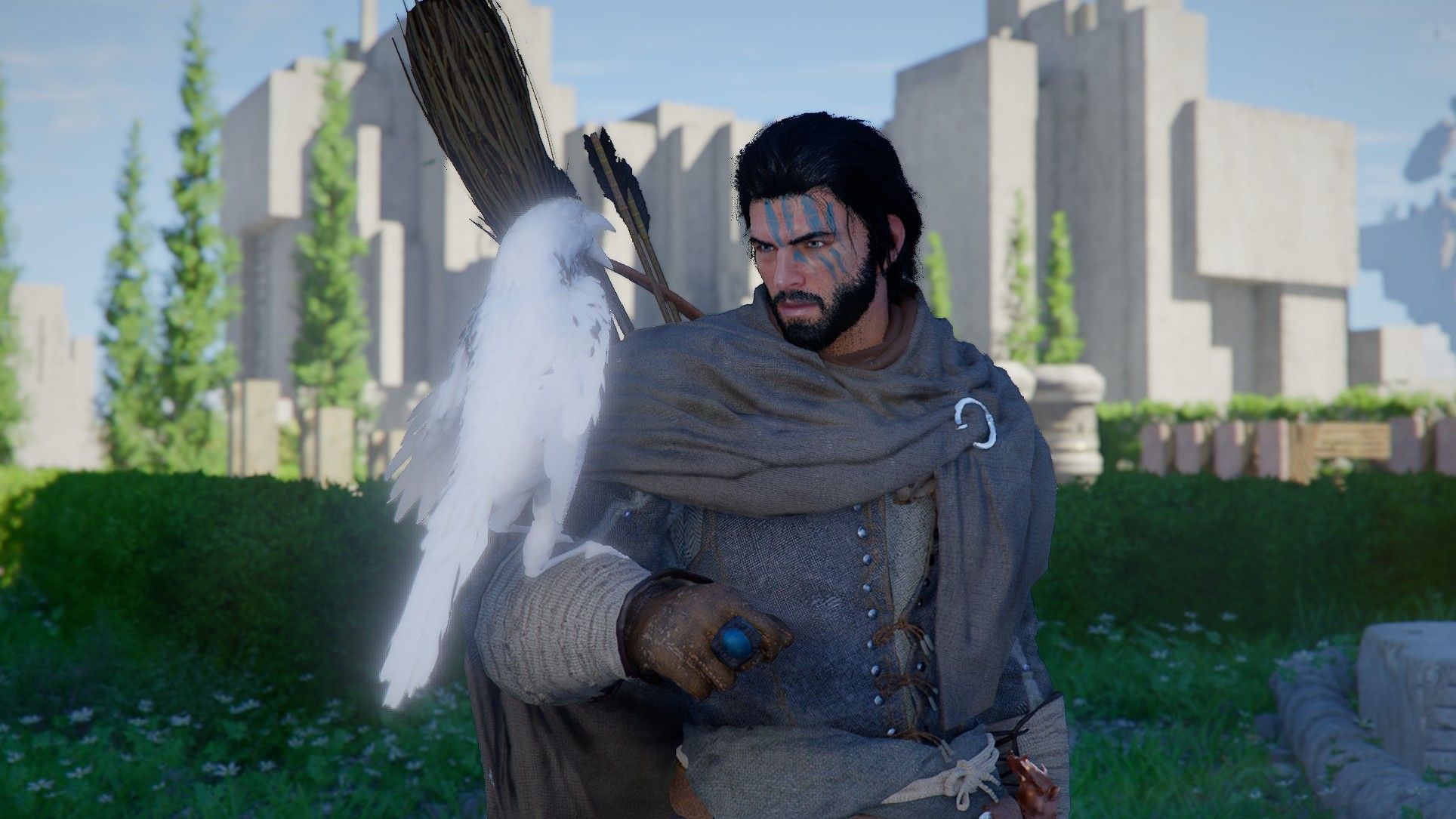
Michael Douse, publishing director at Larian Studios, delivered a sharp critique of Pearl Abyss’s upcoming RPG Crimson Desert. In a recent tweet, Douse described the game as “a cynical amalgamation of borrowed mechanics”, likening it to ‘Now That’s What I Call Gaming’ plucked off a gas station shelf, for better & worse”. He predicted more titles like this will appear across both premium and free-to-play markets, citing the lower risk for publishers.
This jab lands amid ongoing debates about originality versus iteration in AAA game design. For players, the real question is whether Crimson Desert brings anything fresh or if it’s just another open-world mashup chasing the latest trends. Douse’s comments tap into a familiar frustration: big games often recycle mechanics from hits like The Legend of Zelda: Tears of the Kingdom or their own studio back catalogs, sometimes at the expense of true innovation.
Is Borrowing Always Cynical?
Critics of Douse’s view point out that even genre-defining games like Baldur’s Gate 3 (from his own studio) are built from a patchwork of established systems and mechanics. Baldur’s Gate 3 draws heavily from classic CRPGs, Dungeons & Dragons rules, and Larian’s earlier titles. Yet few would call it cynical-more like smart design, blending proven ideas into something that feels fresh in execution.
Crimson Desert’s open-world design, economic systems, and sky island segments have drawn comparisons to other games. Some features, like the trading and resource mechanics, are directly lifted from Pearl Abyss’s own MMO, Black Desert. The sky islands seem inspired by Tears of the Kingdom, though critics argue they feel tacked on rather than integral.
MMO DNA and Big Swings
What sets Crimson Desert apart, at least for now, is its willingness to throw a dense mix of systems at players. While the result can feel messy or inconsistent, it’s a rare example of a single-player game built on MMO design philosophy. This approach reflects Pearl Abyss’s roots and could offer a fresh flavor for RPG fans tired of streamlined, risk-averse blockbusters.
Developing a game of this scope is expensive and risky. Most publishers shy away from such ambition, and smaller studios often have to cut features just to ship. That Crimson Desert exists in this form is already unusual. For players, that means a world packed with systems to experiment with-even if not every idea lands perfectly. The game’s ambition and willingness to take big swings may be what’s drawing attention, not just its mechanical borrowing.
Player Impact: Fun or Fatigue?
For players, the key question is whether Crimson Desert feels like a soulless checklist or a genuinely fun sandbox. Cynical design usually shows up as games ticking boxes without heart. Early impressions suggest Crimson Desert’s chaotic mix of mechanics is at least entertaining, if not always original.
Speculation: If Pearl Abyss can balance its MMO-inspired systems and avoid chasing trends for their own sake, Crimson Desert could carve out a unique spot in the RPG landscape. If not, it risks being remembered as the ultimate Frankenstein’s monster of open-world design.
The bottom line
- Crimson Desert borrows heavily, but that’s not always a bad thing if the end result is fun.
- Players should watch whether the game’s systems mesh or clash-ambition can pay off or flop hard.