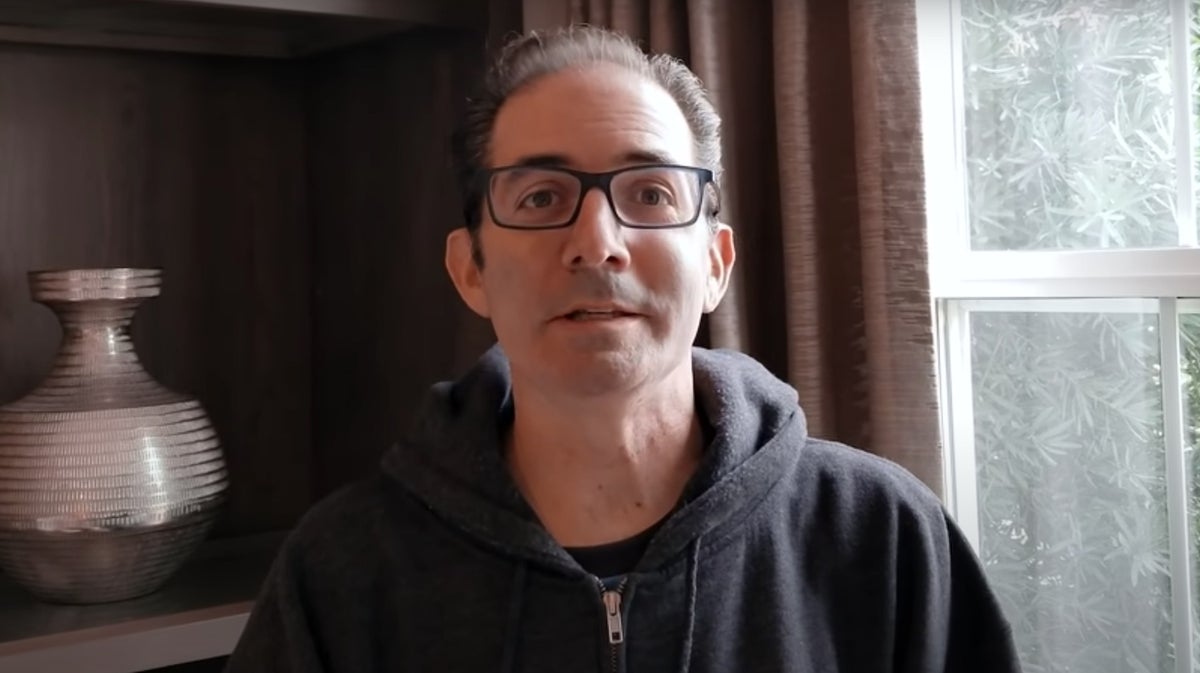
Jeff Kaplan, former lead of Overwatch, recently revealed a reported ultimatum from then-Blizzard CFO Dennis Durkin: either Overwatch met undisclosed revenue targets, or 1,000 developers would be laid off. Kaplan called it “the most difficult moment I’ve had in my career” during an interview with Lex Fridman.
The pressure stemmed from the financial strain of the Overwatch League. Touted as an “industry-changing affair”, the league demanded massive investment. Features like Twitch integration and advanced spectator cameras were built to support it. But its business model-relying on in-person events, ticket sales, and merchandise-quickly unraveled. “We can’t do in-game events when we have a London team and a Shanghai team… how does this work? So that fell apart super quickly,” Kaplan explained.
As the league failed to meet sky-high expectations, Blizzard leadership and investors turned to the game itself to compensate. This meant relentless pressure on the Overwatch team to ship new content and boost sales, even as resources were drained from live service features and creative updates. “All the care and love that we had for the live game and the live service-like let’s make events, new heroes, new maps-we’re losing all these resources,” Kaplan recalled.
Why It Matters for Players
Kaplan’s account sheds light on Overwatch’s rocky shift from a beloved live service to the controversial launch of Overwatch 2. Business demands sidelined the creative vision. Promised features and regular updates slowed as the team stretched thin. The esports push, once hyped as the next NFL, ultimately hurt the core game experience for everyday players.
Though the exact revenue targets remain confidential, the threat of mass layoffs shows how far Blizzard leadership was willing to go chasing esports glory. For players, this meant fewer new heroes, maps, and events-while focus shifted to monetization and league support. The fallout lingers: Overwatch 2’s launch faced criticism over its business model, content pace, and lack of the original’s spark.
Behind the Scenes: Overhyped League, Broken Promises
Kaplan pulls back the curtain on how the Overwatch League was sold to investors. “They were pretty much selling the Brooklyn Bridge, that Overwatch League was going to be more popular than the NFL,” he said. The reality: international logistics made in-person events unworkable, and merchandise sales never hit projections. When the league’s business plan collapsed, the development team bore the brunt.
Kaplan, who once thought he’d retire at Blizzard, says the experience shattered his trust in the company. “I had believed that I would never work in any place but Blizzard, I loved it, it was a part of who I was, and I thought that I was a part of it. And I literally thought I’d retire from the place. I never thought the day would come, but that was it. Luckily for Blizzard, that CFO is no longer there.”
Kaplan has since moved on to indie studio Kintsugiyama, working on the open-world survival game The Legend of California, set for Early Access this year.
The bottom line
- Overwatch’s creative decline was driven by failed business bets, not just design choices.
- Players lost out as resources shifted from game updates to esports hype.
- Kaplan’s exit marks the end of an era-and a warning about prioritizing investors over players.