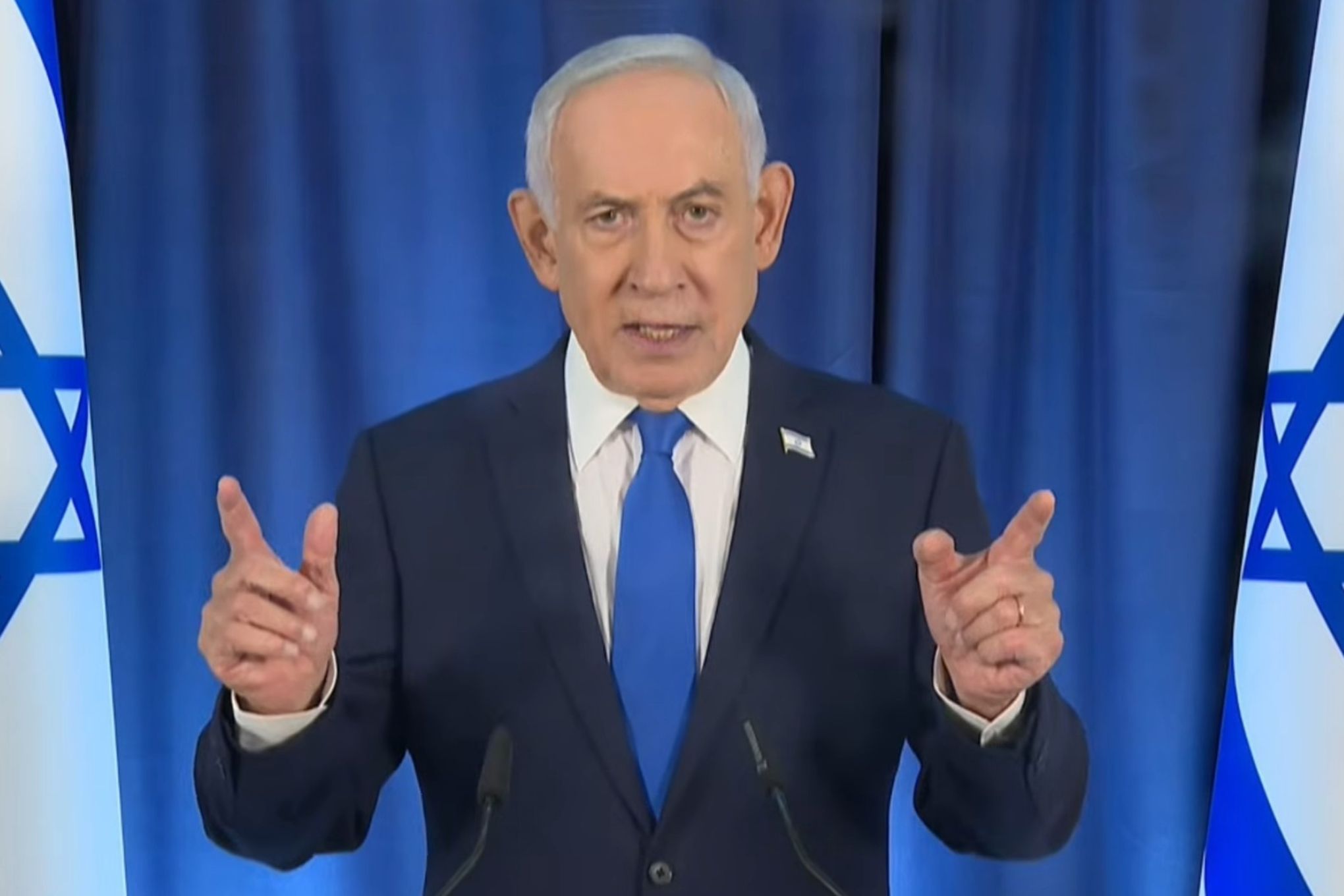
Social media is abuzz with claims that Benjamin Netanyahu has been replaced by an AI-generated deepfake. Viral clips show the Israeli prime minister with extra fingers and a coffee cup that never empties, fueling conspiracy theories. The latest wave of rumors erupted after a livestreamed press conference, where viewers spotted six fingers on Netanyahu’s right hand-a classic AI giveaway. This sparked speculation that Israel is using deepfake technology to cover up Netanyahu’s alleged death during a recent Iranian missile strike.
Fact-checkers vs. the Deepfake Hype
Fact-checkers at Snopes and PolitiFact quickly debunked these AI claims. The so-called “extra” finger is explained by video compression and lighting artifacts, not generative AI. The full video runs nearly 40 minutes-far longer than current AI video models can produce in one go. Still, the internet ran wild with theories.
To quell the rumors, Netanyahu posted a new video on X, filmed in a coffee shop, asking someone to count his fingers. Instead of calming things down, the video sparked more speculation. Viewers pointed to oddities like a coffee cup that never seems to empty and a ring that appears to phase in and out on his finger. Some flagged the background, noting a cash register displaying a 2024 date. Others insisted Netanyahu is left-handed but drinks with his right in the video. The comment sections became a circus of increasingly bizarre suspicions-from how he holds his cup to his supposed “aura.”
Why Players and Viewers Should Care
This isn’t just another internet meme. The real issue is that AI-generated content is making it nearly impossible to trust what we see online. None of the Netanyahu videos include metadata from tools like C2PA Content Credentials or SynthID, which could verify authenticity or flag AI use. Platforms like Instagram and YouTube claim to tag manipulated content, but these clips show no such markers. In a world where video proof once settled arguments, now it only breeds more doubt.
With ongoing conflict between Iran, Israel, and the US, the stakes are high. Disinformation campaigns thrive here, and AI only makes it easier to muddy the waters. Even before AI, doctored photos and videos caused confusion-now, the technology is so advanced that traditional “tells” are vanishing. The result: a crisis of trust where even authentic footage is suspect.
The Political Angle
US politics isn’t immune. Donald Trump accused Iran of using AI as a “disinformation weapon” to fake attacks against the US, calling for media outlets to face charges for spreading false content. Ironically, Trump himself has used deepfakes for political stunts and meme warfare. The hypocrisy is thick, but it highlights how AI is weaponized by all sides to shape narratives and sow confusion.
The bottom line
- AI deepfakes are making it harder than ever to trust video evidence, especially during conflicts.
- Fact-checkers can debunk some claims, but the technology is outpacing traditional verification methods.
- Players, viewers, and anyone online should stay skeptical and seek verified sources before buying into viral footage.