Getty Images has walked away from its $3.7 billion merger with Shutterstock. The deal would have combined two of the largest stock photo and video marketplaces. Getty’s board unanimously voted to scrap the Getty Images Shutterstock merger on June 30, after Britain’s top competition regulator demanded conditions the company considered unworkable.
Getty CEO Craig Peters confirmed the decision on Tuesday. In a filing with the U.S. Securities and Exchange Commission, the board said it intends to hire a financial advisor. The advisor will assess “strategic financing alternatives available” as Getty plots its next steps without Shutterstock.
What killed the Getty Images Shutterstock merger
The Competition and Markets Authority, the UK’s top antitrust regulator, required Shutterstock to sell off its editorial photo business as a condition of approval. Getty’s board viewed that requirement as a non-starter. It chose to end the agreement rather than meet it, closing off a tie-up that had been in the works for more than a year.
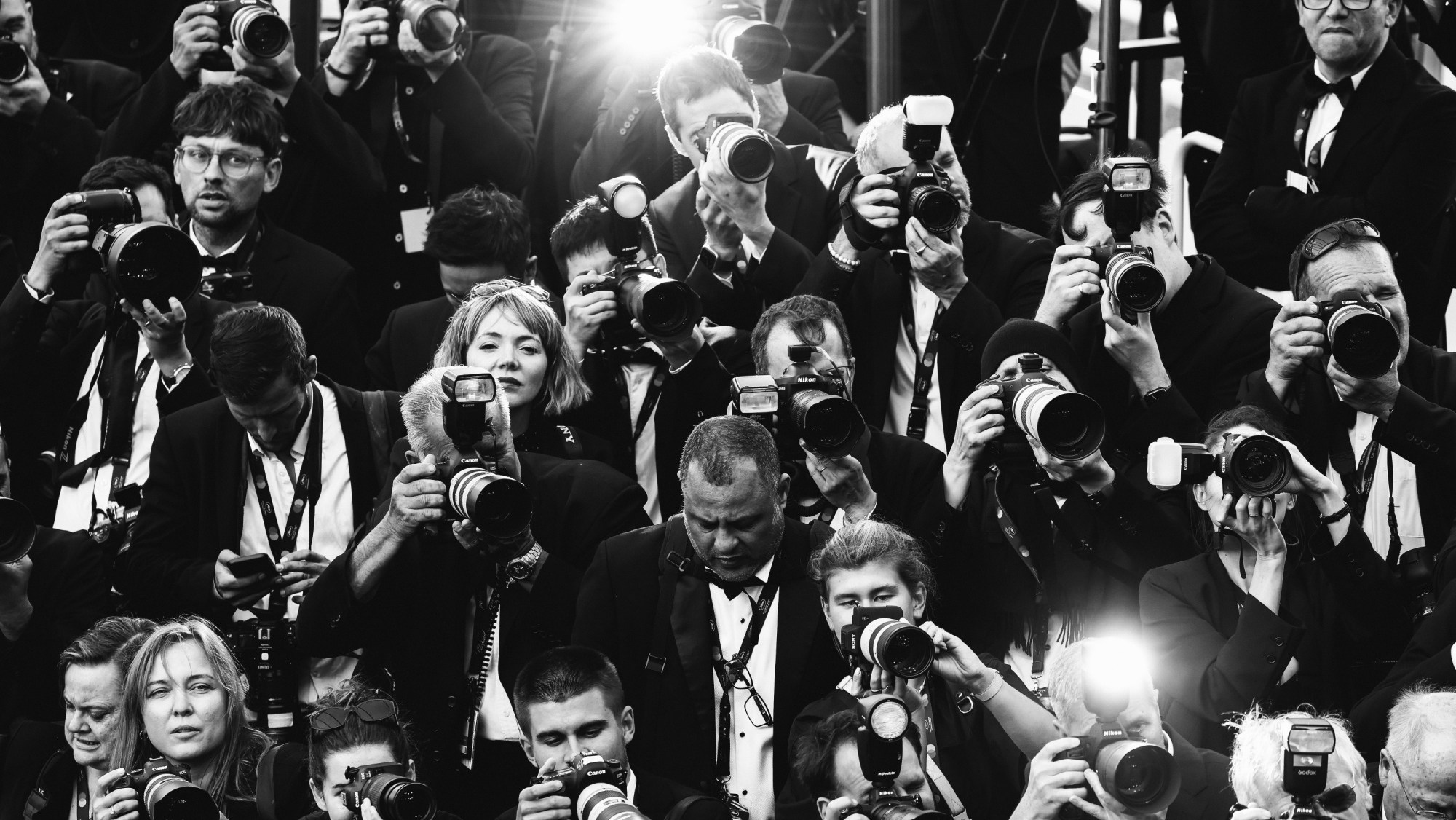
Getty supplies wire service images and video to media outlets and businesses worldwide, including coverage of most red carpets and film festival premieres. Shutterstock had touted a library of 450 million photos. Together, the companies had projected cost synergies between $150 million and $200 million within three years of combining operations. Peters was set to lead the merged business and steer its stock photo and editorial catalogs under one roof.
A regulator with growing reach over media deals
The collapse shows how much power the Competition and Markets Authority holds over cross-border media mergers. Hollywood is watching closely. David Ellison is pursuing a much larger consolidation of major studios, and the same regulator is now scrutinizing that deal too. It is a sign of how much scrutiny cross-border media mergers now face in the UK.
Hours before Getty’s announcement, Lisa Nandy, the UK Secretary of State for Culture, Media and Sport, said the government may intervene in Paramount‘s $111 billion bid for Warner Bros. Discovery. Nandy said the next step may be for the regulator “to assess and report to me on whether a relevant merger situation has been created, and any impact this may have on competition.”
A Paramount spokesperson said the company still expects to close the Warner Bros. Discovery deal on schedule. “We are grateful for the continued constructive engagement with all interested government bodies and relevant authorities, including in the UK. We are confident that our proposed transaction does not pose any media plurality issues in the UK and remain confident in our stated transaction timeline,” the spokesperson said. The regulator opened its formal review of that deal on June 10 and has set an Aug. 7 deadline for a ruling.
Getty’s own path now runs through artificial intelligence rather than through Shutterstock. Days before scrapping the merger, the company signed a licensing agreement with OpenAI to make its image library available inside ChatGPT. The original merger agreement was announced in January 2025. At the time, both companies were still working out how AI tools would affect the stock photo market. Getty has now chosen a different route through that shift. It is licensing its catalog directly to an AI platform rather than merging with its closest rival in stock imagery.