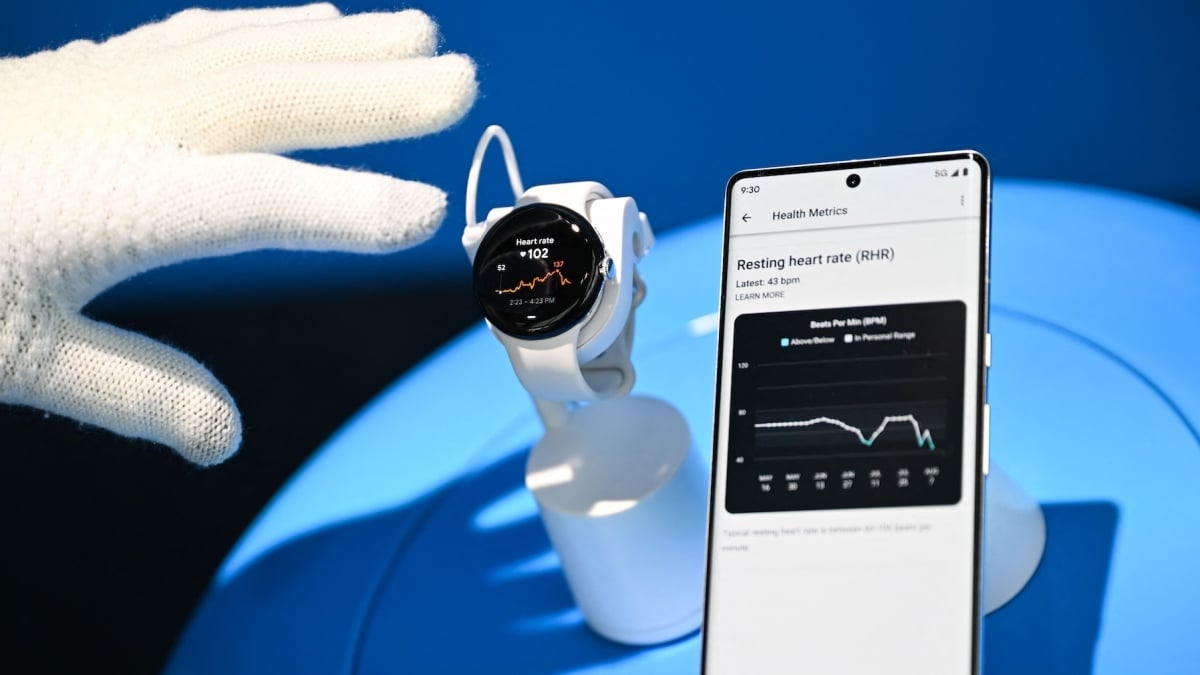
Google is taking Fitbit’s health tracking to a new level-by asking users to share their medical records for AI-powered coaching. The latest Fitbit app update introduces feedback from Google’s Gemini AI, rebranded as “Coach,” and expands its reach to both Android and iOS users. This comes as Fitbit accounts are phased out in favor of Google accounts, with the final deadline for migration now set for May 19, 2026.
The new AI features aim to make health guidance more personalized and “safer” by factoring in users’ medical history. “When your coach understands your medical history, its guidance becomes safer, more relevant and more personalized,” Google stated in its latest Fitbit announcement. The company promises that users retain control over how their data is used, shared, or deleted, and that medical records won’t be used for ads. Your medical records, like other health data in Fitbit, is not used for ads.
Why This Matters for Fitbit Users
The integration means Fitbit’s AI will potentially have access to a much deeper pool of personal health data-not just your steps or sleep, but your full medical history. For users, this could mean more tailored health advice, but it also raises the stakes for privacy and data security. The AI features aren’t powered by Google alone. Health record requests go through b.well Connected Health, a platform that aggregates data from various healthcare providers. Verification is handled by Clear, which lets users search for records using a valid ID and a selfie.
For anyone already wary of sharing sensitive health data with big tech, this move is a major escalation. The promise of better coaching comes at the cost of handing over even more personal information. The timing is also notable: this push arrives just as Fitbit users are being nudged to switch to Google accounts, a process that’s already frustrated some long-time fans.
What Changes for Players and Subscribers?
If you’re a Fitbit Premium subscriber (currently €8/month), expect more AI-driven insights and nudges in your daily health routine. The app’s new “Coach” feature is being trialed with both Android and iOS users, and could roll out more broadly soon. But to unlock the full personalized experience, you’ll need to link your medical records-something many users may hesitate to do.
For those who stick with Fitbit’s basic features, not much changes-yet. But the trend is clear: Google is betting big on AI and deeper data integration to keep Fitbit competitive, especially as the Apple Watch continues to dominate the wearables market. The company’s messaging emphasizes user control, but the real test will be whether users trust Google (and its partners) with their most sensitive health information.
The bottom line
- Google’s Fitbit app now wants access to your medical records for AI-powered coaching.
- AI features are rolling out to both Android and iOS, with full migration to Google accounts required by May 2026.
- Privacy-conscious users should weigh the benefits of personalized advice against the risks of sharing sensitive data.