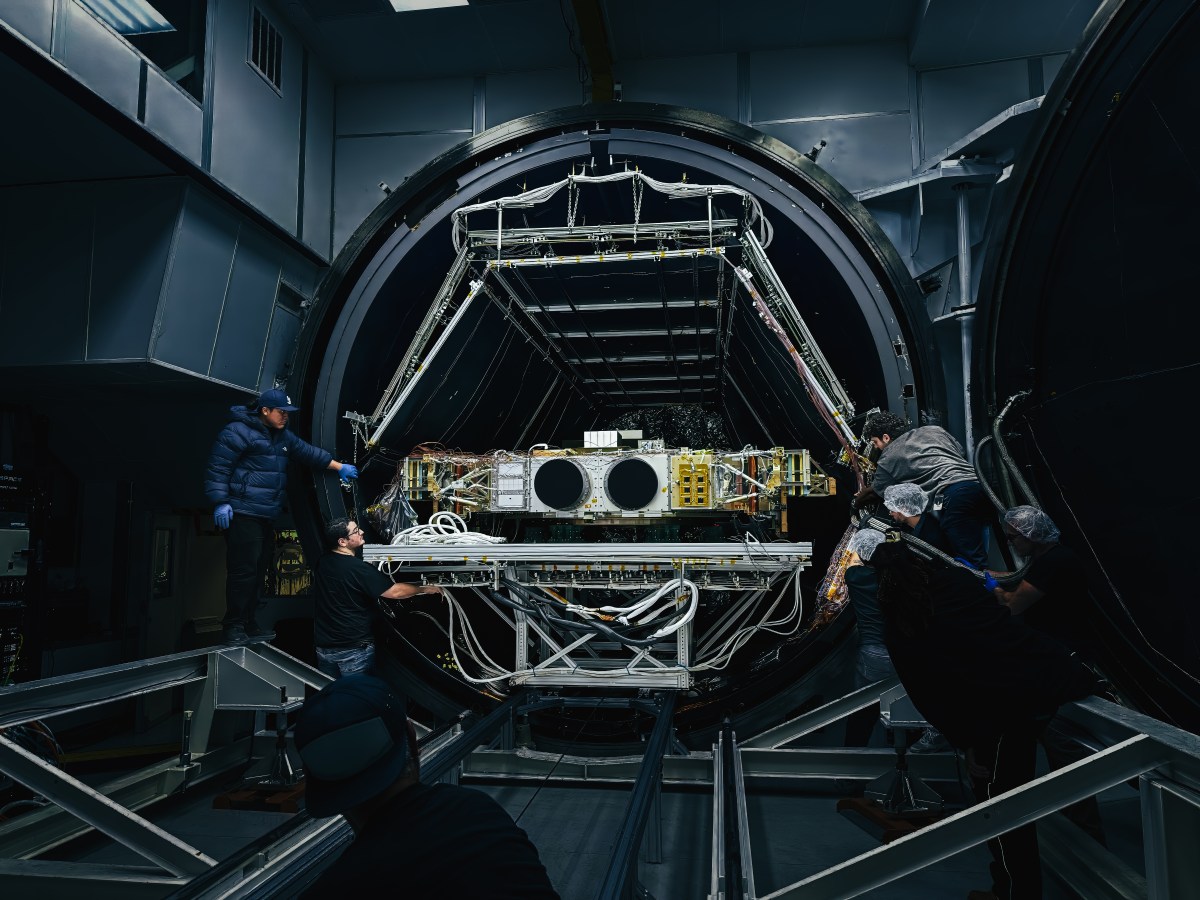
K2 Space is gearing up to launch Gravitas, a two-metric-ton satellite designed to deliver a massive 20 kW of power in orbit. The spacecraft, built by former SpaceX engineers Karan and Neel Kunjur, is packed into a SpaceX Falcon 9 and could launch as soon as the end of this month. With a 40-meter wingspan when its solar panels unfold, Gravitas is built to power demanding payloads like advanced sensors, transceivers, and computers-leapfrogging most satellites, which typically generate just a few kilowatts.
For context, only a handful of satellites even come close: the much larger and pricier ViaSat-3 can generate over 25 kW, and Starlink V3 satellites reportedly hit the 20 kW mark. But the vast majority of spacecraft are nowhere near this league. “The future is higher power,” says CEO Karan Kunjur, and Gravitas is the first big move in that direction.
Why this matters for space tech and business
Gravitas isn’t just a flex-it’s a testbed for the next generation of orbital infrastructure. The satellite will carry 12 undisclosed payload modules from several customers, including the Department of Defense, and will debut a 20 kW electric thruster expected to be the most powerful ever flown. If successful, the mission will prove that high-powered satellites can support advanced communications, data processing, and even orbital compute-key for commercial networks and military systems alike.
For satellite operators and tech investors, the stakes are high. K2 Space has already raised $450 million and hit a $3 billion valuation in December 2025. The company plans to launch 11 more satellites over the next two years, mixing demonstration and commercial missions. By 2028, K2 aims to deliver satellites for commercial networks, pushing the industry toward high-powered, scalable space platforms.
Pricing, performance, and the launch cost game
Launching big satellites is still expensive. K2’s pitch originally banked on SpaceX Starship slashing launch prices, but with Starship’s timeline uncertain, Gravitas will ride Falcon 9 at a customer rate of about $7.2 million. Even so, K2 claims Gravitas’s $15 million price tag undercuts traditional high-powered satellites while offering more muscle than similarly priced smallsats. The company is already designing a 100 kW satellite, ready to scale up when bigger rockets like Starship or New Glenn become widely available.
Power is the new battleground. More juice means higher throughput, stronger anti-jamming signals, and the ability to run advanced processors in orbit. That’s critical for everything from mega-constellations like Starlink and Amazon LEO to the Pentagon’s planned $185 billion missile defense system. As demand for orbital compute grows, K2’s high-powered approach could become the new standard.
The bottom line
- K2 Space launches Gravitas this month, aiming to prove high-powered satellites are ready for prime time.
- 20 kW of power puts Gravitas among the most capable spacecraft ever built, with real implications for communications and orbital data processing.
- Even without Starship-level launch discounts, K2’s price-performance bet is shaking up the satellite market.
Speculation: If Gravitas delivers, expect a wave of high-powered satellites and a scramble among operators to match K2’s muscle. The space compute race is officially on.