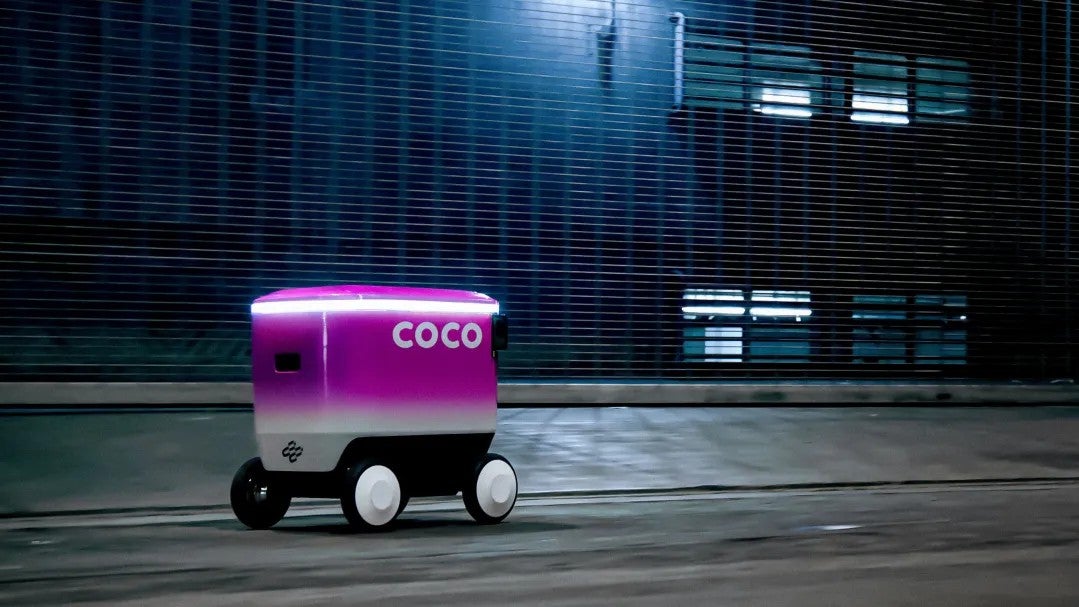
Niantic, the company behind Pokémon Go, is now leveraging augmented reality data collected from players to train a fleet of delivery robots. In partnership with robotics startup Coco, Niantic is providing vast amounts of visual data to help around a thousand small robots navigate busy city streets with greater accuracy.
This development is significant for anyone fascinated by the intersection of gaming and real-world technology. The AR data-millions of videos and images-comes from players scanning real locations in-game, such as PokéStops and Gyms. These scans capture street art, monuments, and distinctive buildings. Niantic emphasizes that this data was deliberately collected by players, not passively gathered in the background.
From PokéStops to Pavement
Urban navigation poses a major challenge for robots. In dense city centers, GPS signals often bounce off buildings, causing navigation points to jump streets or lose accuracy by tens of meters. Brian McClendon, CTO of Niantic Spatial, explains that their AR data helps robots overcome this by enabling image recognition and AR maps to orient themselves using real-world landmarks.
For players, this means your in-game scans are now helping robots avoid traffic and locate doorways-not just spawn Pikachu. John Hanke, CEO of Niantic Spatial, notes that the technical challenge is strikingly similar: whether placing Pokémon precisely or guiding a robot to deliver lunch, both require exact spatial awareness.
30 Billion Images, Real-World Impact
Niantic reports access to roughly 30 billion images from urban environments-though it’s unclear if this figure refers to individual photos or video frames. Regardless, it’s an enormous dataset for AI training. This data now powers Coco’s robots in cities like Los Angeles, Chicago, Jersey City, Miami, and Helsinki. These bots are being tested to determine if AR mapping can finally resolve the urban GPS problem.
For gamers, this is a rare instance where time spent spinning PokéStops fuels real-world innovation. For city residents, it could mean faster, safer robot deliveries in the near future.
The bottom line
- Pokémon Go AR data is now training delivery robots to navigate cities.
- Niantic’s database could help solve GPS accuracy issues for urban robotics.
- Player-contributed scans are powering real-world technology beyond gaming.