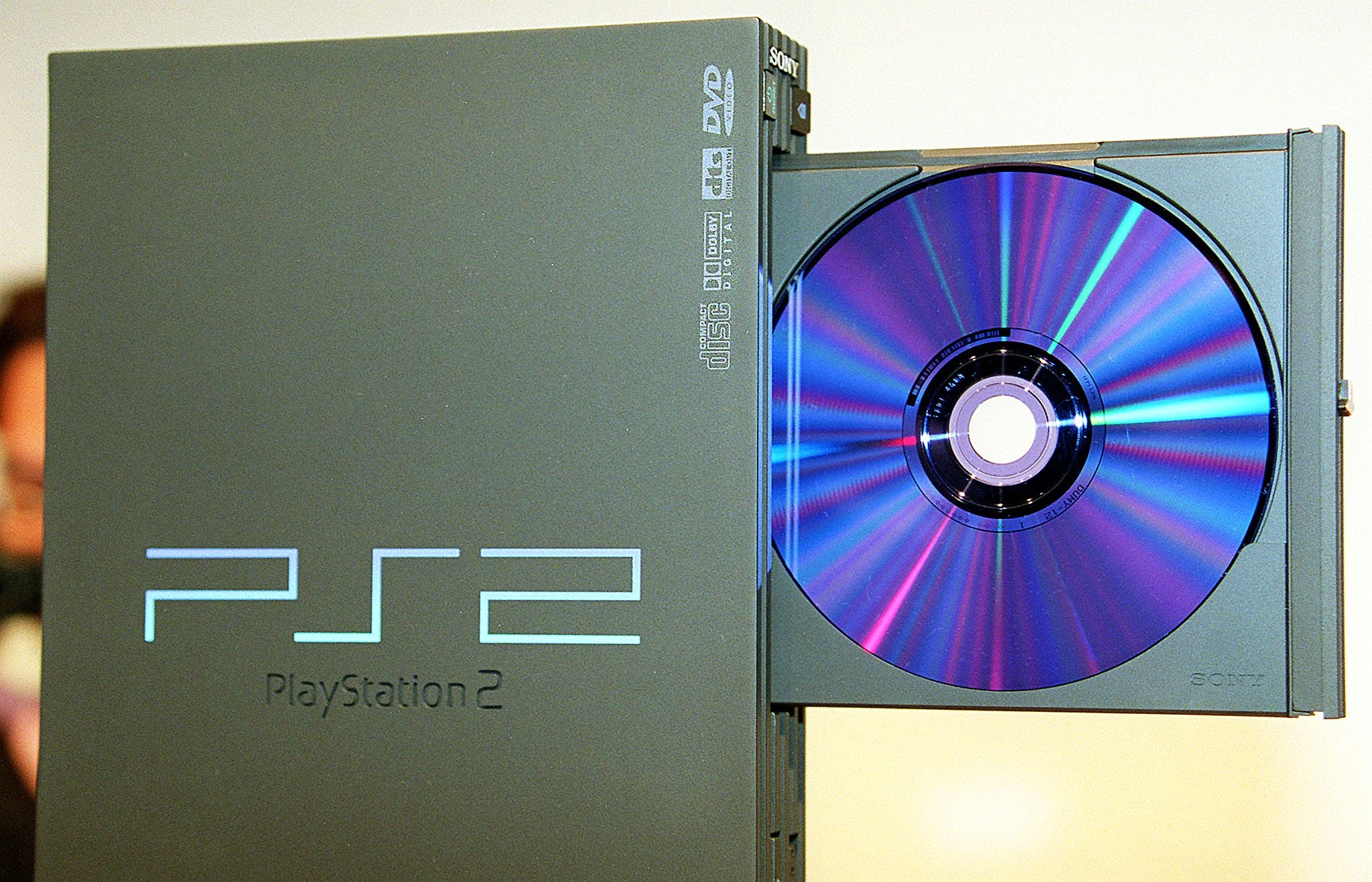
Sony’s decision to eliminate PlayStation game discs by 2028 has produced a playstation disc backlash that has not slowed in the 48 hours since the announcement. Fans, competitors, small publishers, and politicians have all piled into the debate, turning a policy shift into one of the biggest gaming stories of the week.
Sony’s original post on X revealing the plan has now been viewed more than 100 million times. It carries a community note pointing out that digital purchases do not grant real ownership. Angry fans have flooded the company’s other social accounts, including posts about movies and streaming that have nothing to do with games. Sony has stayed quiet since the announcement, but few other people connected to gaming have. Gaming controversies rarely spread past gaming circles, but the playstation disc backlash has done exactly that, pulling in comedians, food chains, and elected officials within two days.
Comedian and former Daily Show host Trevor Noah weighed in on the decision. “I completely understand where you’re coming from, but for a lot of gamers physical discs are the only way they could afford to play games because they could get them secondhand,” he wrote, adding that discs let players pass games down to younger siblings. “Most importantly though, as we saw from PlayStation this past week, if the media we buy is only digital, it can be taken away from us at a moment’s notice with no recourse. Imagine that, one day your entire library of games could be deleted overnight because technically you don’t own it.” Noah followed the post with a retweet of Hideo Kojima, who wrote that eventually even digital data will no longer be owned by individuals on their own initiative.
How the playstation disc backlash spread beyond gaming
Smaller game companies have pledged to keep making physical copies for as long as they can. Aeternum Game Studios wrote that making physical editions a reality for all of its titles is now an absolute priority. The studio said it would work to bring every game it makes to store shelves before the 2028 deadline. Spanish publisher Tesura Games went further, saying it strongly condemns the decision and plans to join other publishers to try to reverse it.
Companies outside gaming have turned the announcement into a running joke. Domino’s UK posted that, in response to trends in the gaming industry, it will cease production of physical pizzas starting April 2027 and shift to digital pizzas only. Customers, the chain joked, will instead download “premium chair codes.” Chair maker Respawn picked up the same joke, offering “imaginary comfort, assembly not required.” GitHub, which is owned by Sony rival Microsoft, took a more pointed shot. The company wrote that it agrees with the shift and is proud to now let developers order their public code repositories on CD-ROM. A disc, GitHub added, is theirs to lend, keep, or pass down, unless they lose it, and it linked to an actual form for requesting a repository burned to disc.
Petitions and political pressure mount
Several Change.org petitions calling on Sony to reverse course have appeared over the past two days. The largest was written by Canadian retailer PNP Games and has passed 35,000 signatures. “A disc is a real game you own. You can lend it, trade it, resell it, gift it, collect it, or pass it down to your kids. A box with only a download code is not the same thing. It is a digital license in plastic packaging,” wrote the store’s CEO, Jade Pearce. “You do not own it. You are renting access that can be revoked, and people have already had purchased movies deleted from their libraries and games pulled from sale weeks after launch.”
Politicians have also joined in. French left-wing presidential candidate Jean-Luc Mélenchon reacted to the news and called for a legislative review of the issue. “Tomorrow, you will pay without ever owning anything. No loan, no resale, no guarantee of keeping what we’ve paid for. Video games are not mere merchandise; they are cultural assets, and the law in force must apply to them,” he wrote. CNN brought on the Washington Post‘s Gene Park this week to explain the outrage on air.
The case for and against an all digital future
Supporters of Sony’s move point to how the overwhelming majority of games played each year are already digital copies. To them, the shift is a formality, not a surprise. Critics counter that the remaining physical market, while a small share of overall revenue, still puts tens of millions of discs into players’ hands every year. An estimated 70 million physical game discs shipped globally in 2025 alone, a number opponents of the change argue Sony is dismissing too quickly.
YouTuber and former Nintendo marketer Kit Ellis argued the disagreement goes beyond spreadsheets. In a video posted this week, he said fans do not need to hear corporate reasoning to reject the decision. Physical games, he argued, carry an emotional weight that market logic cannot measure.
Why fans still want a disc in hand
“This just sucks and you can give me all of your big brain, Harvard MBA reasons for this but as fans of video games you can’t expect us to just accept those reasons,” Ellis said. “Physical games have been at the heart of a lot of the magic moments we’ve had as video game fans, whether that’s going to a store to pick up a game we’ve been really excited for, maybe a midnight launch, going over to a friend’s house and bringing a game over knowing we’re going to be playing it together. These are the things that give us reasons to play games in the first place.”
Sony has not responded publicly to the petitions, the jokes from rival companies, or the political statements since its initial announcement. The company has reversed unpopular decisions before under similar pressure, which is part of why the petitions keep gaining signatures. The 2028 deadline is still more than a year away. Publishers and retailers on both sides of the debate say they expect the argument over who owns a game to keep running long after this week’s news cycle fades.