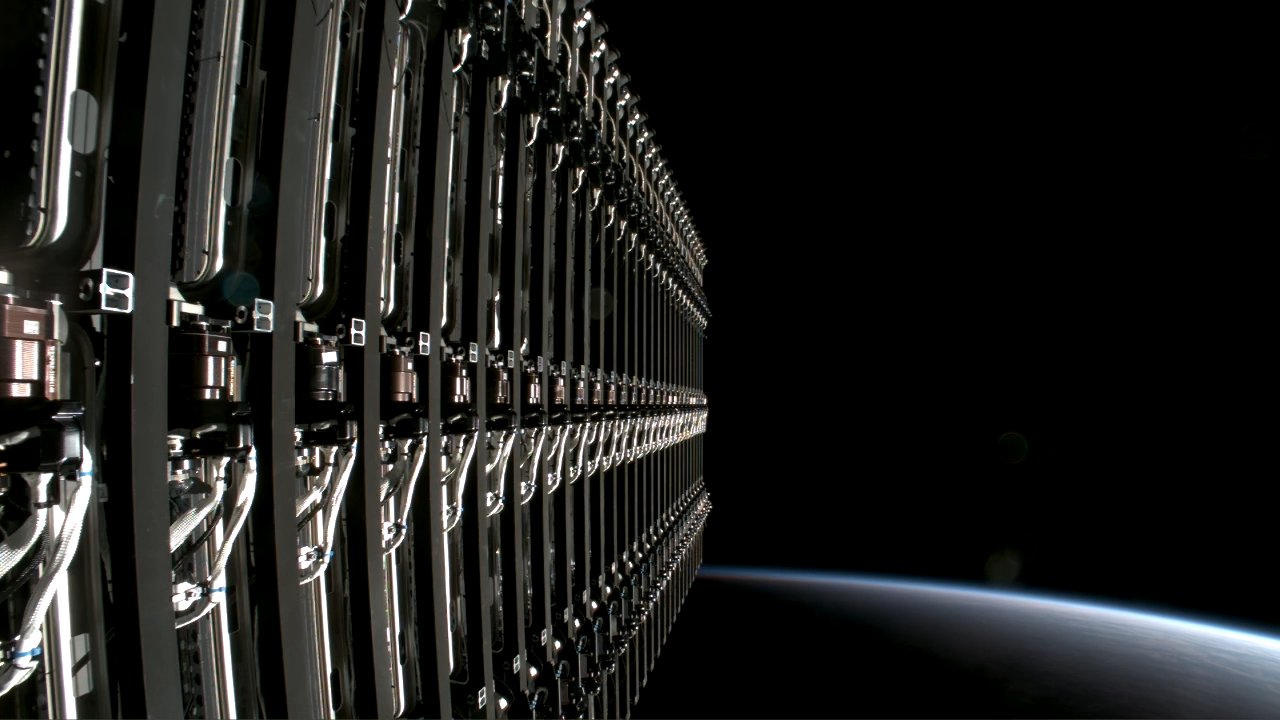
SpaceX has confirmed the loss of a Starlink satellite after an unexplained “anomaly” triggered an explosion in low Earth orbit. Space-tracking firm LeoLabs detected “tens of objects” near Starlink 34343 immediately after the event, signaling a debris field from the destroyed satellite.
SpaceX posted on X that the incident poses “no new risk to the @Space_Station, its crew, or to the upcoming launch of NASA’s Artemis II mission”. The company says it will keep monitoring the satellite fragments and coordinate with NASA and the US Space Force as cleanup continues. The debris is expected to burn up in the atmosphere within weeks.
Why this matters for space and tech watchers
Low Earth orbit is getting crowded. Over 24,000 objects-including about 10,000 Starlink satellites-are currently tracked in this zone, making any new debris a potential hazard. While SpaceX says there’s no threat to major missions, the explosion adds to concerns about orbital congestion and satellite safety.
This is the second unexplained Starlink failure in recent months. In December, SpaceX lost contact with another satellite that also appeared to explode, just a week after a near-miss with a Chinese satellite. The pattern raises questions about Starlink reliability as the network expands.
What’s next for Starlink and orbital safety?
SpaceX is investigating the root cause of the latest anomaly. The company has also requested FCC approval for up to one million satellites, aiming to build orbital data centers. Gwynne Shotwell, SpaceX president and COO, recently commented, “We just recently gave a request for FCC licensing of up to a million AI satellites. I’m surprised that didn’t get more news. I thought for sure that would get a lot of news.”
The scale of Starlink’s ambitions means that even rare failures can have outsized effects. Each debris event increases risk for other spacecraft, including crewed missions and commercial satellites. Coordination with agencies like NASA and the US Space Force is now a routine part of Starlink operations.
The bottom line
- Starlink satellite exploded, scattering debris in low Earth orbit.
- No risk to ISS or Artemis II, but orbital congestion is a growing concern.
- SpaceX is investigating and coordinating with NASA and US Space Force.
- More Starlink satellites are coming-potentially up to a million if FCC approves.