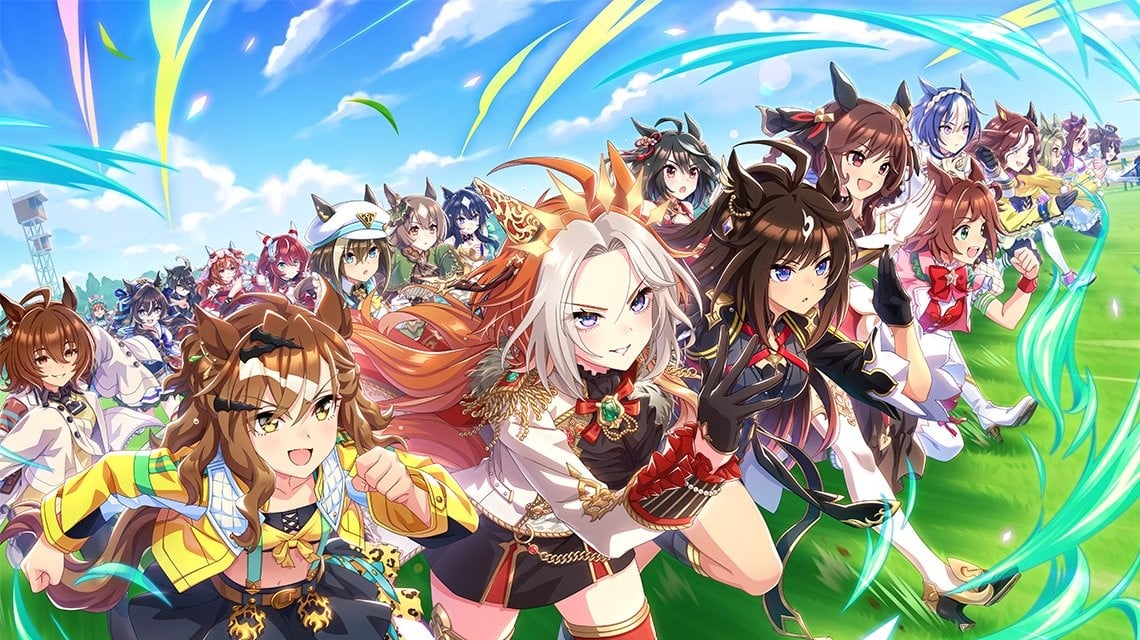
Studio Kai, the animation studio behind Umamusume: Pretty Derby and several other popular anime series, faces potential insolvency. Japanese outlet Gamebiz reports the studio posted a net loss of 248 million yen ($1.5 million) in its most recent fiscal year, its seventh consecutive year in the red. Cumulative losses now stand at 565 million yen, roughly $3.5 million.
The studio has never reported a profit since its founding, despite a catalog of commercially successful titles. Over seven consecutive years of operating losses, that amounts to an average annual deficit of around 80 million yen ($500,000).
Studio Kai’s insolvency risk and its hit titles
The Umamusume: Pretty Derby franchise anchors Studio Kai’s recent output. The studio animated the second season, which ranks among the best-selling anime Blu-ray releases in Japanese history, surpassed only by Demon Slayer: Mugen Train in 2021. Other productions include Skeleton Knight in Another World (2022), the third Umamusume season (2023), and Sentenced to Be a Hero, which aired earlier in 2026 to a strong audience response.
Two more projects are in development: a second season of Skeleton Knight and a fourth season of Umamusume. Both titles have established fan bases and commercial track records, making the studio’s pattern of losses harder to account for on paper. No release dates for either project have been confirmed.
How anime economics drive this outcome
The disconnect between a show’s commercial performance and a studio’s financial results is a structural issue in Japan’s animation industry. Production committees typically fund anime series, pooling money from broadcasters, publishers, streaming platforms, and merchandise companies. The animation studio receives a production fee but retains few rights to downstream revenue from Blu-ray sales, licensing, or merchandise.
Even when Umamusume performs well commercially, most of that revenue flows to committee members rather than to Studio Kai. Blu-ray sales in particular tend to benefit the rights-holding entities in a production committee, not the studio that animated the show. This is not unique to Studio Kai. Many animation studios in Japan operate on thin margins regardless of how their shows perform commercially.
A catalog of popular titles and zero profitable years fits this pattern closely.
Krafton’s ownership and Studio Kai’s finances
Studio Kai is a subsidiary of ADK Holdings, which South Korean publisher Krafton acquired in 2025 for 75 billion yen ($517 million). That corporate backing gives Studio Kai a financial safety net that an independent studio would not have, making an immediate closure considerably less probable than the balance sheet numbers alone suggest.
The persistent losses may also reflect deliberate tax structuring within the ADK Holdings group. In Japan’s entertainment industry, concentrating costs at the studio level while profits accumulate in licensing or rights-holding entities higher up is a recognized arrangement. A studio can record losses indefinitely under this structure while the wider group remains profitable. ADK Holdings and Studio Kai have not commented on the Gamebiz report or disclosed plans to address the studio’s financial position.