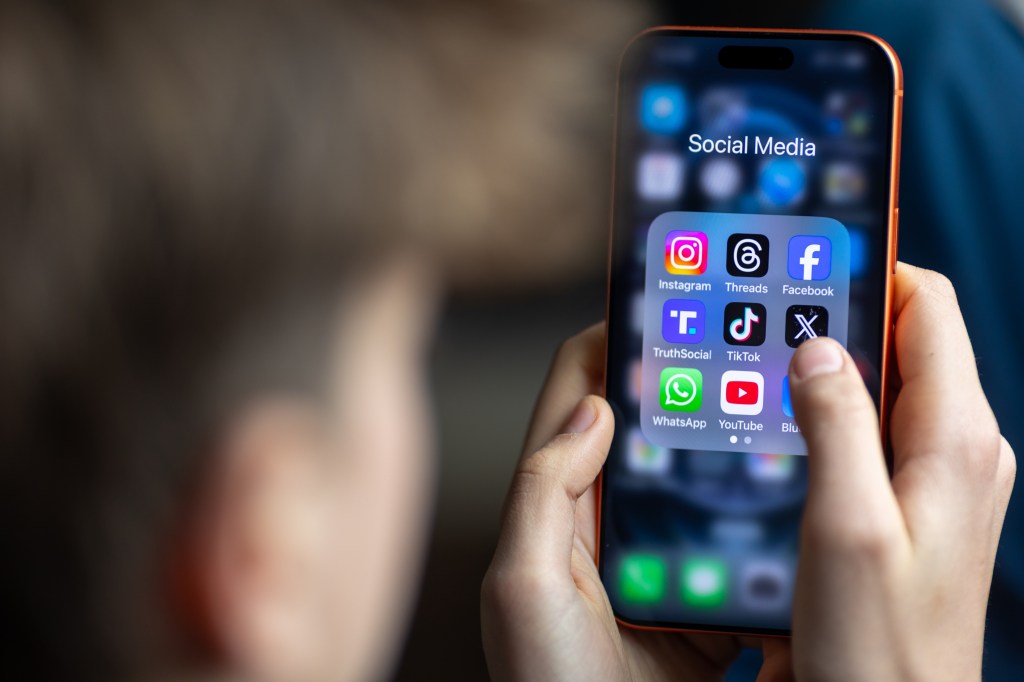
TikTok and its parent company ByteDance have agreed to pay $400 million to resolve a lawsuit filed by the U.S. Department of Justice over how the platform handled children’s personal data. The TikTok settlement closes a case the DOJ brought in 2024, during the Biden administration, alleging violations of the Children’s Online Privacy Protection Act (COPPA).
The DOJ’s complaint said millions of children under 13 used TikTok while the company collected their personal information without parental consent, a direct violation of COPPA’s requirements. The settlement does not require TikTok or ByteDance to admit wrongdoing, though it commits both companies to specific changes in how the app treats young users. It is one of the largest COPPA settlements on record, and it lands at a moment when TikTok’s ownership and operations in the United States are already under close government watch.
What the TikTok settlement requires
Beyond the $400 million payment, TikTok has agreed to strengthen age verification, add further safeguards aimed at children, and give parents more visibility into their children’s activity and personal information on the app. The DOJ has not published a full compliance timeline, but the changes are expected to apply across TikTok’s age-related controls and parental tools in the coming months.
A second run-in with the same law
This is not TikTok’s first COPPA case. In 2019, the company agreed to pay $5.7 million to settle allegations that its predecessor app, Musical.ly, had violated the same law. As part of that deal, TikTok committed to preventing children under 13 from creating accounts on the platform.
The 2024 lawsuit alleged that promise did not hold. According to the DOJ, TikTok continued to struggle with identifying and removing underage users for years afterward, and it kept using data belonging to children, including information applied to targeted advertising, even after employees flagged concerns internally. The complaint also alleged that TikTok altered parts of its registration process in ways that made it harder to verify a user’s age, a pattern regulators say undercut the intent of the earlier settlement.
The settlement lands amid other safety questions
The agreement arrives days after Bloomberg reported that TikTok had deliberately switched off an algorithmic safeguard, meant to limit exposure to harmful content, for about 10% of its U.S. users as part of an internal experiment. The report prompted Republican senator Marsha Blackburn of Tennessee and Democratic senator Richard Blumenthal of Connecticut to send a joint letter to TikTok CEO Shou Chew and Adam Presser, who leads the company’s U.S. business, asking them to explain the decision.
Neither the new TikTok settlement nor the DOJ’s public statements address that separate safeguard experiment, and the two matters are proceeding through different channels. Still, the timing puts TikTok’s handling of user safety, for both children and the broader U.S. user base, under renewed attention from lawmakers on both sides of the aisle. For a platform already navigating scrutiny over its ownership structure, the $400 million figure adds another line item to a growing list of regulatory costs.