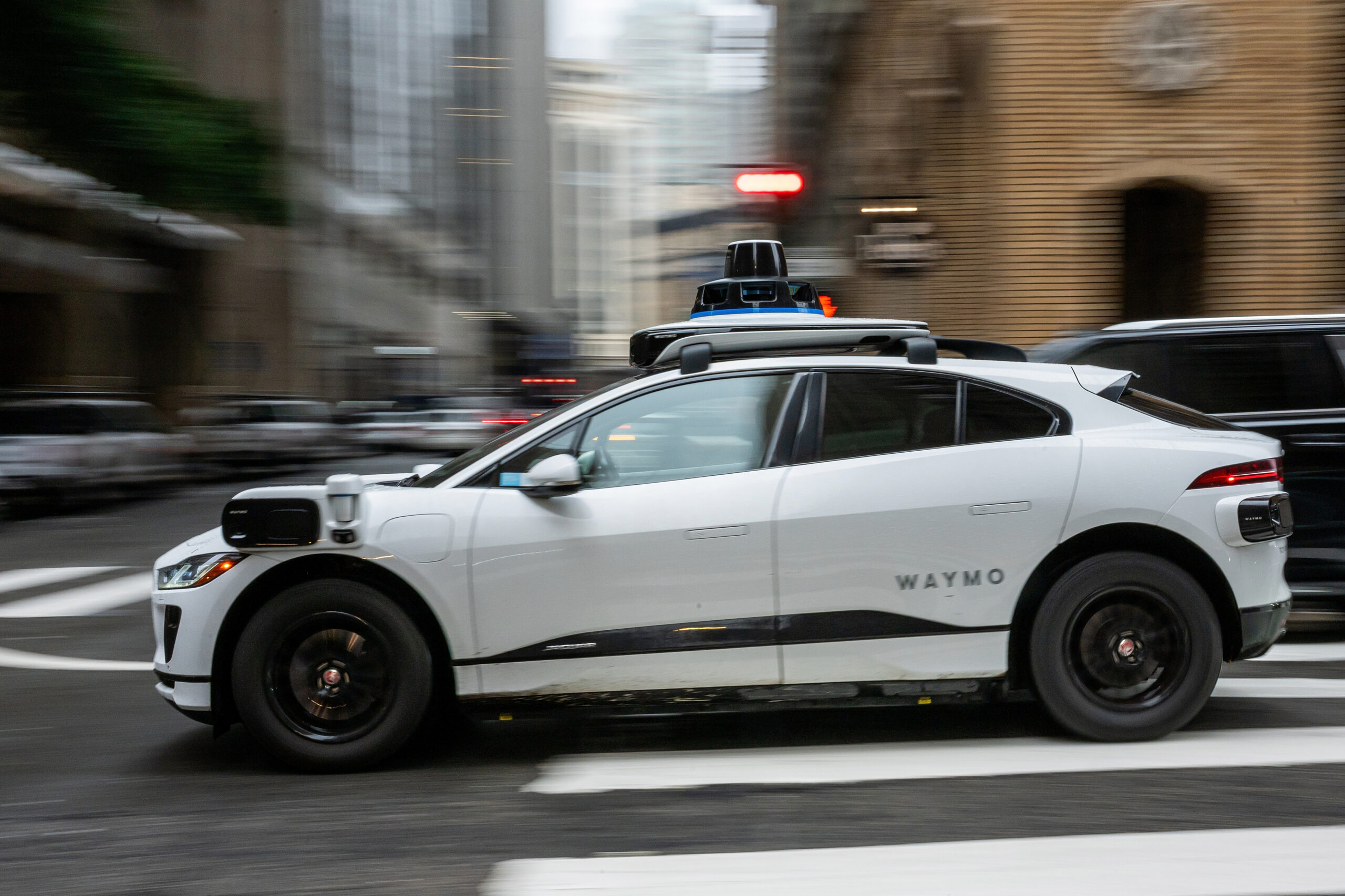
Waymo has announced its autonomous vehicles have surpassed 170 million miles, updating its online safety hub with fresh data. The company’s fleet-about 3,000 vehicles operating in 10 cities and logging over 4 million miles weekly-is reportedly outperforming human drivers by a significant margin in avoiding serious crashes and injuries.
Specifically, Waymo reports:
- 92% fewer crashes causing serious injuries or worse
- 83% fewer crashes triggering airbag deployment
- 82% fewer crashes involving any injury at all
At this rate, the company estimates it prevents roughly one serious-injury crash every eight days-a key point in the push to make autonomous vehicles mainstream. But these numbers come with important caveats that industry insiders should consider.
Why the Numbers Matter-And What’s Missing
For investors, city planners, and robotaxi enthusiasts, Waymo’s stats look impressive. The company says its vehicles have driven the equivalent of 200 human lifetimes (based on an average of 850,000 miles per lifetime). Yet some safety experts caution that Waymo’s presentation may paint an overly optimistic picture.
Recent incidents reveal the complexity. In Santa Monica, a Waymo vehicle struck a child outside a school. The car slowed from 17 mph to about 6 mph before impact; the child sustained only minor injuries. The National Transportation Safety Board (NTSB) is investigating. Meanwhile, in Austin, the NTSB is probing reports of Waymo robotaxis passing stopped school buses during student pickups and drop-offs. A December 2025 safety recall aimed to address this, but incidents continued.
There are also reports of Waymo vehicles blocking emergency responders. In one case, a driverless car delayed an ambulance for two minutes during a mass shooting in Austin. These intersection-blocking events rarely appear in the federal crash data Waymo must report, so they don’t factor into the company’s headline safety stats.
Critics Push Back on the Spin
Safety advocates like the Advocates for Highway and Auto Safety argue Waymo offers an incomplete view. Their analysis of government data found that 45% of reported crashes involved no passengers, reducing chances for airbag deployment or occupant injury. They contend that highlighting low injury rates in empty vehicles doesn’t prove the technology is safer for actual passengers.
Another figure: 80% of Waymo’s crashes are rear-end collisions, compared to about 30% for human drivers. Critics suggest this points to differences in how autonomous vehicles interact with traffic-differences not captured by simply comparing injury rates.
Waymo counters that it counts injuries to all parties involved, including pedestrians and cyclists, not just vehicle occupants. The company also says airbags deploy even without passengers and includes airbag deployments from other vehicles in its data. Still, safety advocates argue that the absence of passengers can skew these numbers.
Scale remains a sticking point. Americans drove roughly 3.2 trillion miles in 2023 alone. Waymo’s 170 million miles represent just 0.004% of human-driven miles in a single year. As one safety researcher put it, “It really is kind of a drop in the bucket when it comes to evidence.”
The bottom line
- Waymo’s crash stats look strong, but critics warn they may not fully reflect real-world passenger safety.
- Incidents in school zones and involving emergency vehicles raise questions about how ready self-driving cars are for unpredictable streets.
- For now, Waymo’s 170 million miles is impressive, but it’s still a tiny fraction of what human drivers log annually.