Last verified: April 2026. Pricing and availability may change.
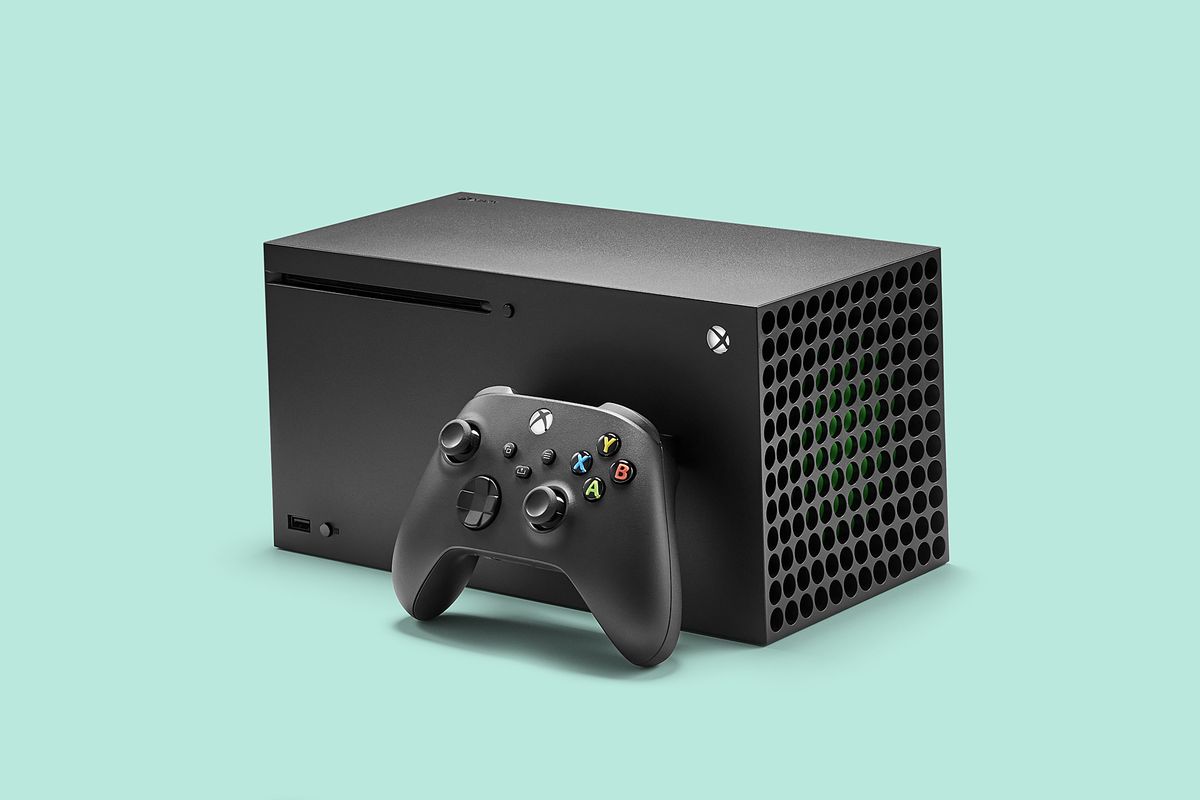
The Xbox Series X and Xbox Series S are Microsoft‘s current-generation consoles, both released in November 2020. The Series X is the more powerful machine, targeting 4K gaming at up to 120 frames per second. The Series S is a smaller, more affordable console that targets 1440p. In 2026, Microsoft sells several variants of each, and there is no mid-generation “Pro” upgrade on the horizon. Here is how the two consoles compare and which one makes sense for different types of players.
Current Xbox console lineup
Microsoft currently sells the Series X in two configurations. The 2TB Galaxy Black Special Edition is the flagship model with double the standard storage. The 1TB All-Digital Robot White model, priced at $449, drops the disc drive in favor of a lower price point and a distinctive white finish.
The Series S is available in 512GB and 1TB configurations. Both share the same compact form factor and digital-only design (no disc drive). The 1TB model addresses one of the most common complaints about the original 512GB version: limited storage space for modern games that frequently exceed 50GB each.
Microsoft has not announced a mid-generation “Pro” version of the Series X. Instead, the company has focused its strategy on software and ecosystem growth, particularly Xbox Game Pass and cloud gaming, rather than a hardware refresh. This contrasts with Sony’s approach of releasing the PS5 Pro as a mid-cycle performance upgrade.
Xbox Series X specs compared to Series S
Both consoles share the same CPU architecture but differ significantly in GPU power, target resolution, and storage options. The table below, based on specifications listed on Xbox.com, shows the full hardware comparison.
| Specification | Xbox Series X | Xbox Series S |
|---|---|---|
| CPU | 8-core AMD Zen 2 at 3.8 GHz | 8-core AMD Zen 2 at 3.8 GHz |
| GPU | 12 TFLOPS, 52 CUs at 1.825 GHz (RDNA 2) | 4 TFLOPS, 20 CUs at 1.565 GHz (RDNA 2) |
| RAM | 16 GB GDDR6 | 10 GB GDDR6 |
| Internal storage | 1 TB or 2 TB custom NVMe SSD | 512 GB or 1 TB custom NVMe SSD |
| Target resolution | 4K at up to 120 fps | 1440p at up to 120 fps |
| I/O throughput | 2.4 GB/s raw, 4.8 GB/s compressed | 2.4 GB/s raw, 4.8 GB/s compressed |
| Disc drive | 4K UHD Blu-ray (standard model) / None (All-Digital) | None |
| Expandable storage | Storage Expansion Card + USB 3.1 | Storage Expansion Card + USB 3.1 |
The GPU gap is the most significant difference. The Series X delivers 12 teraflops of GPU performance compared to 4 teraflops on the Series S. In practice, this means the Series X renders games at higher resolutions (native 4K in many titles) and can handle more demanding visual effects like ray tracing with less compromise. The Series S typically renders at 1080p to 1440p and sometimes reduces visual settings compared to the Series X version of the same game.
The RAM difference also matters. The Series X has 16 GB of GDDR6 memory, while the Series S has 10 GB. Some developers have noted that the lower memory and GPU power on the Series S can require additional optimization work, and a small number of games have shipped with reduced features on the smaller console.
Storage and expansion options
Modern games are large. Titles like Call of Duty and Forza Motorsport can easily consume 100 GB or more. On the 512 GB Series S, usable space after the operating system is roughly 360 GB, which fills quickly.
Both consoles support the Xbox Storage Expansion Card, a proprietary NVMe card that slots into a dedicated port on the back of the console. These cards match the speed of the internal drive, so games stored on them load at the same speed. Expansion cards are available in 512 GB, 1 TB, and 2 TB sizes from Seagate (the original partner) and now Western Digital as well.
You can also connect an external USB 3.1 hard drive or SSD. External drives can store and run Xbox One, Xbox 360, and original Xbox games at full speed. However, Xbox Series X/S optimized games must run from the internal drive or a Storage Expansion Card to take advantage of the console’s Velocity Architecture and fast loading.
Xbox ecosystem and Game Pass integration
Both consoles are built around the Xbox ecosystem, with Game Pass as the central value proposition. Game Pass gives subscribers access to hundreds of games for a monthly fee, including day-one access to all Microsoft first-party releases on the Ultimate and PC tiers.
Cloud gaming is available on both consoles through Game Pass, allowing subscribers to start playing certain titles before they finish downloading. Microsoft also supports cloud gaming on phones, tablets, and web browsers, making the Xbox ecosystem accessible beyond the console itself.
Cross-generation and cross-platform play are supported in many titles. Games with Smart Delivery automatically install the correct version for your console. Many multiplayer games also support cross-play between Xbox and PC players, and an increasing number allow cross-play with PlayStation and Nintendo platforms as well.
Which console should you buy
The Series X is the better choice for players with a 4K television who want the highest-quality visuals the Xbox platform can deliver. The larger storage options (1 TB or 2 TB) reduce the need for immediate expansion, and the disc drive on the standard model allows you to buy physical games, play 4K Blu-ray movies, and take advantage of used game pricing.
The Series S makes sense for players on a tighter budget, those who game on a 1080p monitor, or anyone who buys games exclusively through digital stores. It plays the same games as the Series X, though sometimes at lower visual settings. The compact form factor also makes it a good secondary console or a fit for smaller spaces.
The All-Digital Series X at $449 sits between the two. It matches the Series X in performance but removes the disc drive, making it a strong option for players who want 4K power without physical media.
Frequently asked questions
Is the Xbox Series X Digital Edition the same power as the disc version?
Yes. The 1TB All-Digital Robot White model has the same CPU, GPU, RAM, and storage speed as the standard Series X. The only difference is the absence of a 4K UHD Blu-ray disc drive. Game performance and visual quality are identical between the two.
Can you play Xbox One games on Series X and Series S?
Yes. Both consoles are backward compatible with a large library of Xbox One games, as well as select Xbox 360 and original Xbox titles. Many backward-compatible games run with improved frame rates and load times on the newer hardware. Some games also receive Auto HDR, which adds high dynamic range to titles that did not originally support it.
What is the Xbox Storage Expansion Card?
The Storage Expansion Card is a proprietary NVMe drive that connects to a dedicated port on the back of the console. It matches the internal drive’s speed, so Xbox Series X/S optimized games can run directly from it without performance loss. Cards are available from Seagate and Western Digital in 512 GB, 1 TB, and 2 TB capacities. Prices vary, but expect to pay between $50 and $150 depending on size and brand.
Will Microsoft release an Xbox Series X Pro?
As of April 2026, Microsoft has not announced a mid-generation hardware upgrade. According to Windows Central, the company’s strategy prioritizes software and services (particularly Game Pass and cloud gaming) over a hardware refresh cycle. This could change, but no Pro model is currently on the roadmap.